The counterintuitive thing about buying dupes is that the product is rarely the risk. Established clone houses are legitimate companies selling regulated cosmetics through mainstream retail.
The risk is the transaction. And there are two distinct failure modes, not one — most advice only covers the first.
The two things that actually go wrong
1. You buy a counterfeit of the clone. Yes, popular clones get counterfeited. Lattafa Khamrah and Armaf Club de Nuit are copied by operations with no ingredient control at all — spotting those is its own skill. You end up with an unregulated product wearing a legitimate house's label — which is a genuinely different risk category from a clone.
2. You overpay. Clones have no scarcity, no allocation and no reason to be marked up. Sellers routinely list a £22 bottle at £45 to people who have not checked. This is not dangerous, but it removes the entire point of buying one.
Where to buy, in order of safety
The house's own site — safest, often slowest
Most of the larger houses sell directly. Authenticity is guaranteed and the price is the reference price. Shipping from the Gulf can be slow and customs may add cost on smaller orders.
Amazon, sold and shipped by Amazon or the brand's own storefront
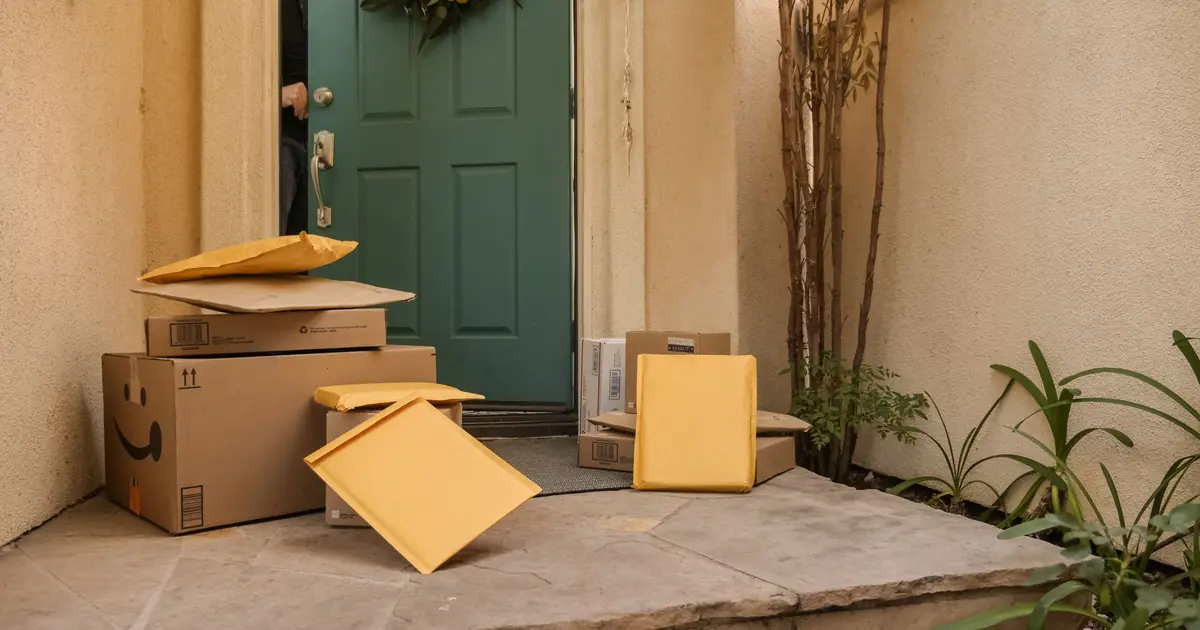
The practical default, with one condition that carries all the weight: check the "Sold by" line, not just the listing. A brand storefront or Amazon-fulfilled listing is reliable. A third-party seller you have never heard of, on the same product page, is not — and Amazon commingles inventory across sellers of the same ASIN, so a counterfeit in the pool can reach you from a good listing.
Established fragrance retailers
Specialist decant and clone retailers with a trading history and real customer service are generally safe, and often cheaper than Amazon. Look for a physical address, a returns policy and reviews that predate this year.
Physical shops
Underrated. You can smell before buying, which removes the largest uncertainty in the entire category. Gulf-focused perfume shops in most cities stock these houses at fair prices.
Where not to buy
Social media sellers with no returns process. Marketplace listings well below every other price. Sites that appeared recently and stock every house at a uniform discount. "Outlet" and "liquidation" framing on a product that is not scarce and has no reason to be discounted.
Six checks before you pay
- Compare against three other listings. Anything far below the cluster is suspect; anything far above is a markup. Both are reasons to close the tab.
- Read the "sold by", not the product page. The listing is the brand's. The seller may not be.
- Look for a full ingredient list. Legitimate product carries an INCI declaration with allergens. Its absence tells you where it came from.
- Look for a batch code. Traceability is a regulated-supply-chain marker.
- Check the house name is spelled correctly in the listing and on the box. Counterfeiters make spelling errors; that is often the cheapest tell available.
- Distrust the story. A dupe is cheap because it is a different product, and it says so. If a low price needs an explanation — liquidation, tester stock, duty-free surplus — the explanation is the warning.
When it arrives
Check the box for an ingredient list, batch code and a responsible-party address. Check the batch code on the box matches the bottle. Look at the print quality — counterfeit packaging is usually where corners show first.
Then, and this matters: do not judge the juice yet. A harsh, sharp, solvent-like opening on a new clone is far more often an unmacerated bottle than a fake one. Clone houses ship within weeks of mixing, and bottles improve substantially over the following month or two — some dramatically. Give it six to eight weeks before concluding anything.
If it still smells wrong after that, check whether the gap you are smelling is the documented one. Most clones differ from their originals in known, specific ways, and roughly one in eight pairings people repeat is not really the same fragrance at all.
Buy decants first
The single best habit in this hobby. A 5–10ml decant costs a few pounds and answers the only question that matters — do you like it on your skin. If you are going to order a full bottle unsmelled anyway, there is a way to do it that goes wrong less often. Given that only about a third of the pairings we track are rated a high-confidence match, testing before committing to a full bottle is straightforward good sense.
Some of our own reports say this explicitly: one clone of LV Imagination has an opening people call impossible to distinguish in the air, and a drydown that fades early. Buy a decant of that one, not a bottle.
The short version
Buy from the house, a brand storefront, or a retailer with a trading history. Check who is selling rather than what is listed. Compare against three prices. Insist on an ingredient list and a batch code.
And know what you are buying before you buy it — which house made it, what it targets, and how it differs. That is what the A–Z index is for.
Related reading
- Dupes versus fakes — the distinction that makes the risk clear.
- How to find the dupe of any fragrance — research it before you shop.
- Is it legal to sell perfume dupes? — if you are on the other side of the transaction.