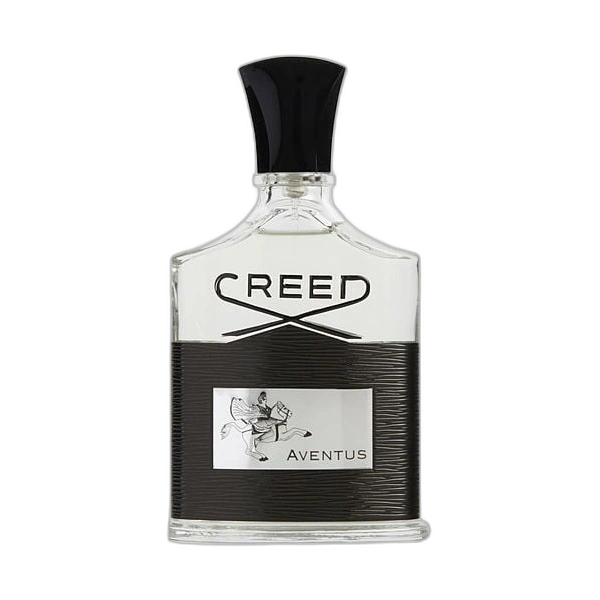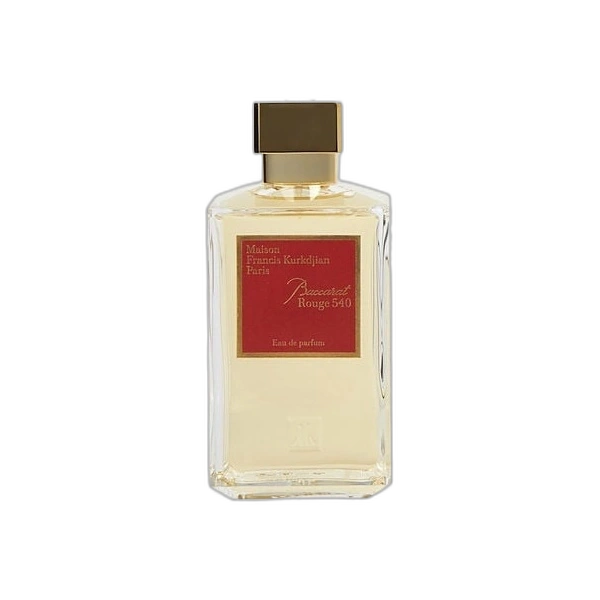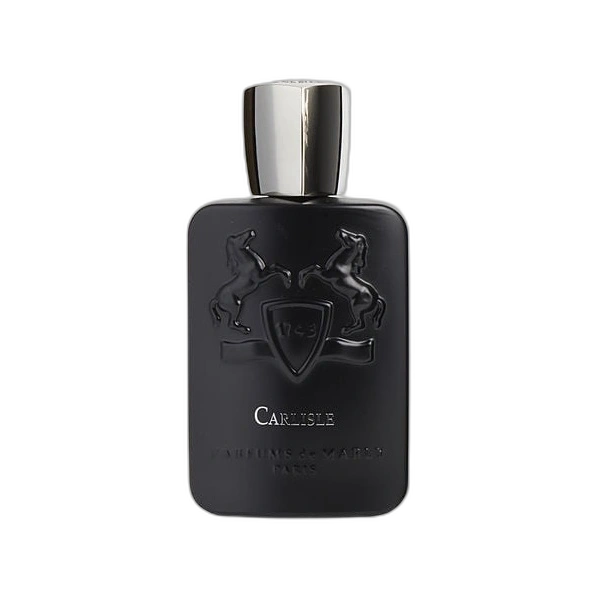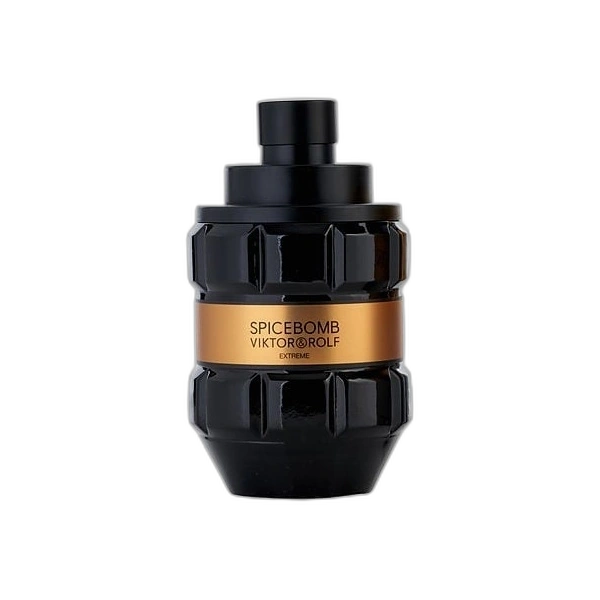
The words get used interchangeably, usually by people who disapprove of both. "Dupe", "clone", "fake", "knock-off", "replica" — all thrown at the same shelf.
They are not the same thing, and the gap between them is not a matter of taste. It is the difference between a legal product and a criminal one, and it has real consequences for what ends up on your skin.
The one-sentence test
A dupe competes with the original. A fake impersonates it.
Everything else follows from that. A dupe says: this smells like Baccarat Rouge 540, we made it, it costs thirty pounds, decide for yourself. A fake says: this is Baccarat Rouge 540, from Maison Francis Kurkdjian, and the fact that it costs thirty pounds is your lucky day.
One is an offer. The other is a lie.
Side by side
| Dupe / clone | Fake / counterfeit | |
|---|---|---|
| Branding on the bottle | Its own — Lattafa, Armaf, Maison Alhambra | The original's, copied |
| What it claims to be | Its own product | The original product |
| Legal status | Legal to make, sell and buy | Trademark infringement; criminal in most countries |
| Who made it | A named company with a registered trademark | Unknown, by design |
| Where you buy it | Amazon, the house's own site, high street shops | Grey marketplaces, social media sellers, "outlet" sites |
| Ingredient oversight | Subject to the same cosmetics rules as any other perfume in the market it sells into | None. Nobody is inspecting it. |
| Price signal | Openly cheap, and says why | Suspiciously cheap, and pretends not to be |
Why the distinction is a safety question
This is the part that gets lost when people lump the two together, and it is the reason the vocabulary matters.
A clone house is a normal business. Lattafa, Armaf, Maison Alhambra and Rasasi sell through mainstream retail in dozens of countries, which means their products carry ingredient declarations and have to satisfy the cosmetics regulations of every market they enter. They buy aroma materials from the same suppliers the designer houses use — Givaudan, Firmenich, IFF — because those firms sell to anyone. The economics are different from a designer brand. The supply chain frequently is not.
A counterfeit operation has no such constraints, and no incentive to accept any. There is no ingredient list you can trust, no allergen declaration, no IFRA compliance, no manufacturing standard, and nobody to complain to. Testing of seized counterfeit perfume has turned up contaminants that have no business being in a cosmetic product. That is not a hypothetical risk profile; it is the predictable result of an unregulated supply chain that answers to no one.
So "are dupes safe?" and "are fakes safe?" are genuinely different questions with genuinely different answers. Collapsing them into one leaves people either needlessly frightened of a legitimate product or insufficiently wary of a dangerous one.
The grey area, and where it sits in our own data
The boundary is mostly clear, but not perfectly. The test case is a clone that uses the original's exact product name while keeping its own house name on the bottle.
We hold 330 clone-to-original pairings. Five of them do this:
- Albait Aldimashqi Spicebomb Extreme — against Viktor & Rolf Spicebomb Extreme
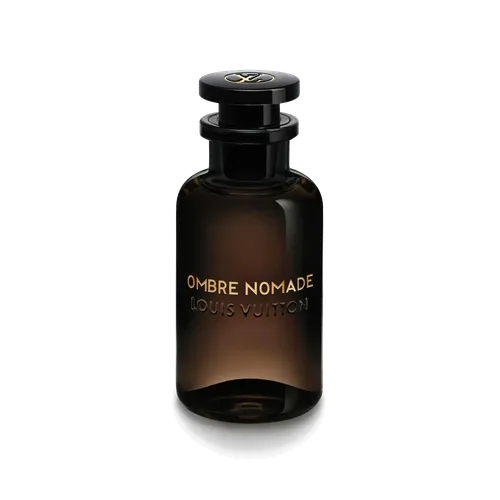
- Albait Aldimashqi Ombre Nomade — against Louis Vuitton Ombre Nomade
- Abraaj Viking — against Creed Viking
- Fragrance World Carlisle — against Parfums de Marly Carlisle
- Fragrance World Sedley — against Parfums de Marly Sedley (more on that house)
These are not counterfeits. Nobody buying an Albait Aldimashqi bottle believes they are buying Viktor & Rolf; the house name is right there, the bottle looks nothing like it, and the price is a tenth. There is no deception about origin, which is the thing counterfeit law exists to prevent.
But they are using someone else's registered trademark as their own product name, and that is a trademark problem regardless of whether anyone was fooled. Fifteen of five hundred pairings would be a pattern; five out of 330 is a small tail of houses being careless where the rest are careful.
Compare that with how the majority behave. Fragrance World's Fahrenheit clone is called Renheit. Their 212 clone is Deux Cent Douze. Maison Alhambra's Coco Mademoiselle clone is Como Moiselle. All of that awkward wordplay exists specifically to stay off the trademark. The rule is understood; five bottles ignore it.
How to tell what you are looking at
Six checks, in order of how much they tell you:
- Whose name is on the bottle? If it is the original brand's and the price is a fraction of retail, it is a fake. This settles the great majority of cases immediately.
- Does the seller name the manufacturer? A dupe seller is proud of the house — "Lattafa Khamrah" is the product. A fake seller is vague about provenance and specific about the brand it is imitating.
- How is the discount explained? A dupe is cheap because it is a different product, and says so. A fake needs a story: liquidation, tester stock, duty-free surplus, an outlet nobody has heard of.
- Where is it sold? The major clone houses have Amazon storefronts, official sites and physical distribution. Counterfeits live in places with no returns process and no accountable seller — and popular clones get counterfeited themselves.
- Is there an ingredient list? Legitimate product carries a full INCI declaration with allergens. Its absence is a strong signal.
- Does it claim to be the original? The plainest test of all. "Inspired by Aventus" is a dupe. "Creed Aventus, £35" is a fake. (What those words actually mean.)
A note on "clone", "dupe" and "inspired by"
Among the legal products, the three terms are used loosely and mostly interchangeably, though there is a real distinction worth knowing. "Clone" tends to imply a deliberate close reproduction. "Inspired by" tends to signal something in the same family that is not trying to be exact. "Dupe" has become the general consumer word for both.
In practice the label tells you less than the evidence does. Of our 330 pairings only 121 are rated a high-confidence match — 167 are medium and 42 are low, which means a large share of what is marketed as a straight copy is closer to an interpretation. We pulled that apart properly in what is my perfume a dupe of.
The short version
A dupe tells you it is not the original. A fake tells you it is. The first is a legal product from a real company operating under the same cosmetics rules as anyone else. The second is fraud from an unaccountable source, and the ingredient risk that comes with it is the reason the distinction is worth insisting on.
Buy dupes without worrying. Avoid fakes entirely. And when someone tells you they are the same thing, they are usually objecting to the first while describing the second.
More on the legal mechanics: how are perfume dupes legal.