You bought the clone with the good reviews, sprayed it next to the original, and something is off. The question that follows is always the same: is this a bad batch, is it my skin, or is the clone simply not very good?
We can answer that with more than a hunch. We hold 322 written comparisons of a clone against its original, each one describing what wearers who had both actually noticed. Sorted by what they complain about, the pattern is remarkably consistent.
| What the comparison mentions | Of 322 notes |
|---|---|
| A harsher, rougher or more synthetic opening | 47 |
| A difference in projection or sillage, not scent | 43 |
| The clone runs sweeter | 34 |
| Needs maceration time before it is judged | 24 |
| Diverges at first, then converges | 22 |
| Less depth or complexity | 17 |
Read that list again and notice what is at the top. The most common complaint is not "it smells wrong". It is "the first ten minutes smell wrong".
1. It is almost always the opening
Top notes are the cheapest part of a fragrance to get wrong and the most obvious part to notice, because they are what you smell in the moment you spray.
They are also the most expensive part to get right. The bright, clean citrus and aromatic materials that make a designer opening feel polished are costly naturals or high-grade synthetics, and they are the first thing a clone house economises on. So the clone opens sharp, boozy, alcoholic or plain rough, and settles into something much closer to the target once that layer burns off.
The evidence for this is that 22 of our notes explicitly describe convergence — the two fragrances start apart and end up together. Some examples, in owners' own framing:
- A Naxos clone: the bergamot is turned up at the start, then "after fifteen minutes it is 95% Naxos".
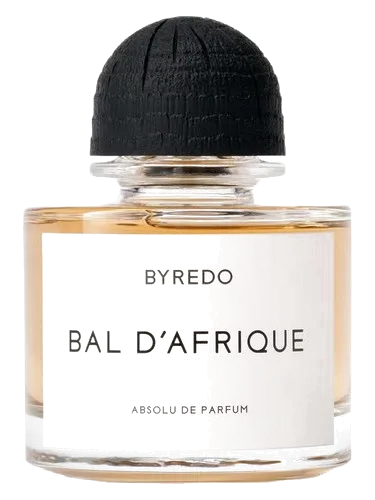
- A Byredo Bal d'Afrique Absolu clone: "sharply alcoholic" for five to ten minutes, then indistinguishable — an owner ran a blind test on his wife and she could not tell them apart.
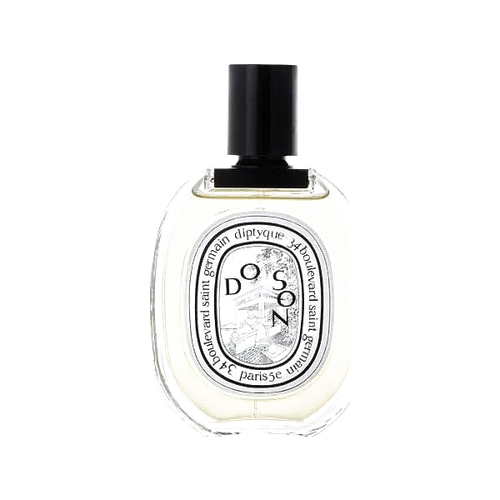
- A Diptyque Do Son clone: much greener and sharper on spray, "almost identical" by the one-hour mark.
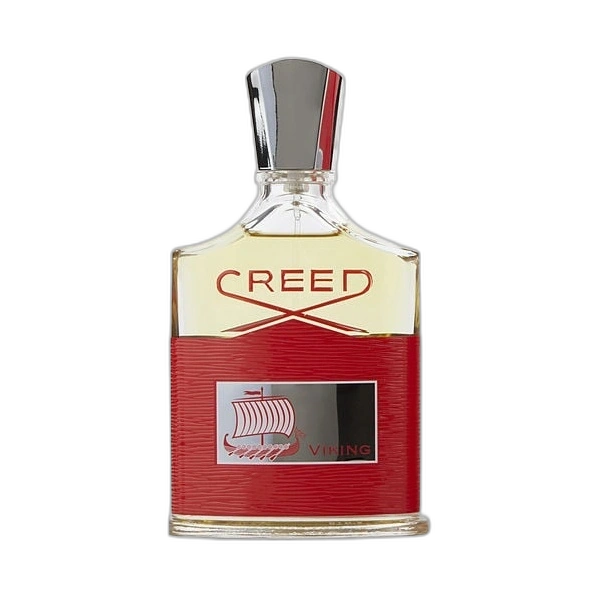
- A Creed Viking clone: "louder and rougher" than the Creed, on the same track after half an hour.
Practical consequence: never judge a clone in the first fifteen minutes. That is exactly the window in which it is least like the original, and it is the window in which most people form their opinion.
2. It is probably sweeter
Thirty-four of our notes say the clone runs sweeter than the original, and almost none say the reverse. This is a systematic bias, not a series of accidents.
There are two reasons. The first is commercial: the Gulf market, where most of these houses sell, genuinely prefers sweeter, denser, longer-wearing fragrance, and a clone made for that audience will be adjusted toward it rather than reproduced neutrally. The second is chemical: sweet gourmand materials — vanillin, ethyl maltol, coumarin, benzoin — are cheap, powerful and tenacious. Leaning on them is the least expensive way to make a fragrance feel rich and last a long time.
So if your clone reads sweeter and slightly heavier than the original, that is the house style working as intended. It is not a defect and it will not fade. It is also, for some people, why a clone triggers headaches when its original never did.
3. Your bottle has not macerated
Designer fragrances spend months in distribution before they reach you. Clone houses often ship within weeks of the batch being mixed. A freshly filled bottle has not had time for the alcohol and the oils to marry, and it smells thinner, sharper and more synthetic than the same juice will in two months.
Twenty-four of our notes raise this unprompted, and some of the changes described are dramatic — one Grand Soir clone arrived as a "gasoline blast" and needed nearly six months. If your bottle is new, a fair share of what you are smelling is the calendar.
Full detail: why your new clone smells awful and fixes itself.
4. You may be smelling less, not something different
Forty-three of our notes are about projection and sillage rather than the accord itself. This is a distinct failure mode and it is easy to misread.
A clone with a thinner concentration smells correct up close and disappears at conversational distance. Because you are used to the original announcing itself, the clone registers as "not the same" when the composition is actually right — there is simply less of it in the air. One Amouage Reflection clone is described precisely this way: very close in the air, then it "collapses to a skin scent fast — it lasts, but it stops projecting."
Test for it directly. Spray both on paper strips, not skin, and smell them at the same distance. If the gap narrows dramatically, your problem is concentration, not formulation.
5. Skin chemistry — real, but blamed too often
Skin chemistry does exist. Skin pH, oiliness and temperature all shift how materials project and how fast they evaporate, and a dry skin will burn through top notes faster than an oily one.
But it is invoked far more often than it explains anything, usually as a way of avoiding the conclusion that a purchase was disappointing. If your clone is sweeter, opens rougher, and quietly disappears after three hours, those are properties of the liquid, not of your skin. The paper strip test settles it in five minutes: if the difference survives on paper, it was never chemistry.
6. Sometimes it genuinely is a different fragrance
The uncomfortable one. A meaningful share of what gets sold as a dupe is not a reproduction at all — it is a fragrance in the same family, marketed against a famous name because that is how it sells.
Our own data separates these. Of 330 pairings, only 121 are rated a high-confidence match. 167 are medium and 42 are low, and the low ones are frequently described as "inspired by" rather than copied. A few examples where owners of both were blunt about it:
- Maison Alhambra Jean Lowe Immortel against LV L'Immensité: shares the DNA without landing it, the ginger overpowering what the original keeps in balance. Owners of both put it near seventy percent — against a widely repeated ninety-five percent figure that, by the source community's own account, comes from people who have never smelled the original.
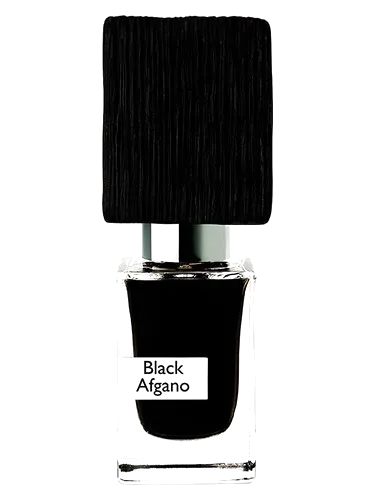
- Rasasi Hawas Viper against Black Afgano: reads as Black Afgano crossed with a different Nasomatto entirely.
- Afnan Turathi Blue against Bvlgari Tygar: one list scores it 95%, while the person who tried all nine Tygar clones side by side ranked it last of the nine.
If your bottle sits in this group, no amount of waiting or re-testing will close the gap. It was never the same fragrance.
What to actually do about it
- Wait. Give a new bottle six to eight weeks before forming a view. Shake it occasionally, keep it out of light and heat.
- Skip the opening. Re-smell at thirty minutes and again at two hours. That is where the clone is trying to be.
- Test on paper. It removes both your skin and the projection difference, and isolates whether the composition itself is right.
- Check the match rating before you blame the bottle. If the pairing is rated medium or low, the gap you are smelling is the documented one and everyone else found it too.
Every pairing we hold shows its confidence rating and the owner reports it was built from. Look yours up in the A–Z dupe index.