Here is a thing that happens constantly and is almost never explained properly. You buy a well-reviewed clone, it arrives, you spray it, and it smells like solvent. Sharp, chemical, thin, nothing like the fifty people who recommended it described. You conclude you got a bad batch or a fake.
Very often, you got a fresh one. And fresh is the problem.
What maceration actually is
A fragrance is aromatic materials dissolved in ethanol. When it is first mixed, those materials are suspended in the alcohol but have not fully integrated with each other — the molecules have not settled into the equilibrium that makes a blend read as one smell rather than a set of ingredients.
Maceration is that settling. Given time in the bottle, the composition rounds out: the alcohol edge recedes, the top notes stop shouting over everything else, the base fills in, and the whole thing gains the depth it was formulated to have. Nothing is added. The same liquid simply stops smelling like its own parts.
Perfume houses have always known this. The reason you rarely meet it with a designer bottle is scheduling, not chemistry — a Dior bottle is typically filled, warehoused, shipped, distributed and shelved over many months before you buy it. It macerated in transit, on somebody else's time.
Why clone houses are hit hardest
Clone houses run short, fast supply chains. Mix, fill, ship, often within weeks. Many of the popular ones sell out and restock constantly, which means the bottle you receive may be very recently made. You are getting the fragrance at a stage in its life that designer buyers essentially never see.
Add to that the reason clones are cheap. Where a designer opening leans on expensive naturals and high-grade synthetics, a clone leans on cheaper materials that are rougher in the first weeks and improve more with time. So the effect is not just present — it is amplified.
In our own set, 24 of 322 owner comparisons raise maceration unprompted, without anyone asking about it. When roughly one comparison in thirteen volunteers "give it time" as the headline advice, it is not a fringe concern.
How big is the change? Bigger than you would guess
| Clone | Out of the box | After settling |
|---|---|---|
| North Stag Expressions IX (Grand Soir) | "A gasoline blast" | Took nearly six months to settle |
| Armaf Club de Nuit Milestone (Millésime Impérial) | "A salty mess" | Melon and sea breeze, ~10 hours, after three to four months |
| Maison Alhambra Galatea (Godolphin) | "Harsh and chemical" | Green and fruity after a few weeks |
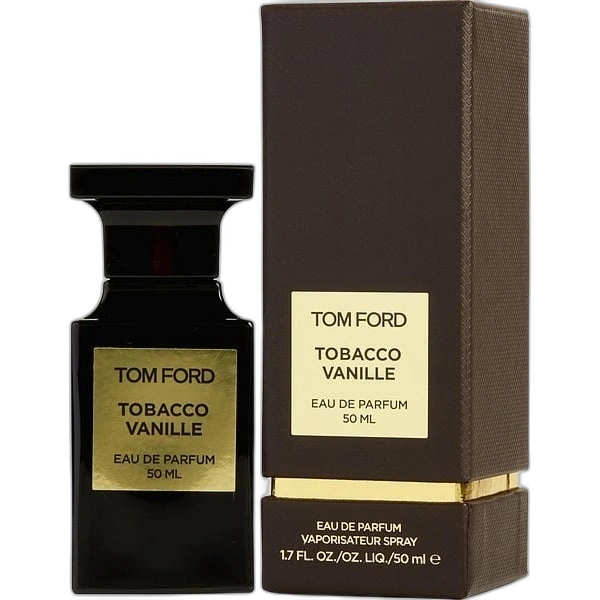
| Maison Alhambra Tobacco Touch (Tobacco Vanille) | Rated 95% on smell already | "Noticeably better once it sits" — give it a couple of months |
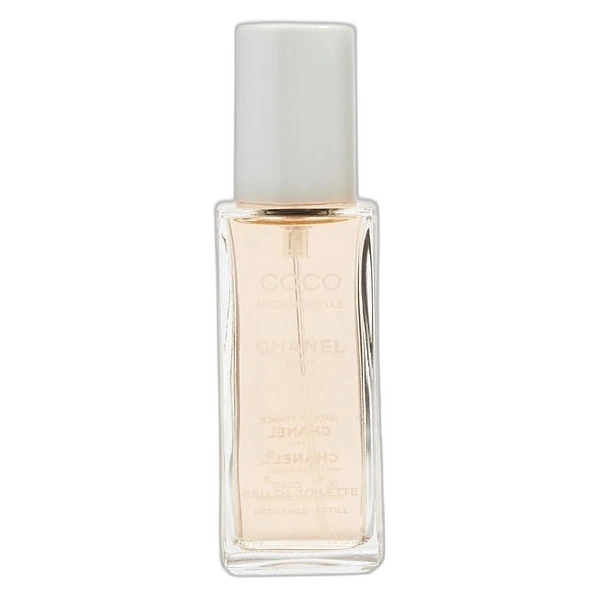
| Maison Alhambra Como Moiselle (Coco Mademoiselle) | Not there yet | Lands close to the original after a few weeks |
| Lattafa Jasoor (Coral Fantasy) | — | Owners say six to eight weeks before judging it |
| Montagne Afternoon Dive (Afternoon Swim) | Already ~90% | "Improves a lot with maceration" |
"Gasoline" to "correct" is not a subtle adjustment. Someone who returned that bottle in week one and left a one-star review was reviewing a fragrance that did not exist yet.
There is a subtler consequence too. One owner notes that French Avenue Ebony Fume sits so close to a rival clone of Ebène Fumé that "the two can read as near-twins until both have macerated". Comparing two unmacerated bottles does not just make each smell worse — it can make genuinely different fragrances smell alike.
How long to wait
There is no universal number, but the reports cluster usefully by what the fragrance is made of:
- Two to four weeks — light, fresh, citrus and aquatic compositions. Less to integrate.
- Six to eight weeks — the standard advice, and where most of our reports land. Enough for gourmands, florals and spicy blends to round out.
- Three to six months — heavy oud, resin, tobacco and amber bases, and anything that arrived openly rough. The Milestone and Grand Soir cases both sit here.
If a bottle has not improved after four months, it is not going to. At that point you are looking at a genuine formulation gap, not a young bottle.
How to macerate a bottle
It is mostly waiting, and the advice that circulates is more elaborate than it needs to be.
- Spray it down a little. Ten sprays into the air is the tip that recurs in our reports. It admits some air and drops the fill level, which helps the blend move. Do not open the bottle or decant it to "let it breathe" — evaporating alcohol changes the concentration.
- Store it dark and cool. A drawer or a cupboard. Not a bathroom shelf, not a windowsill. Heat and UV degrade top notes permanently, which is the opposite of what you want.
- Shake it occasionally. Once a week is plenty. It helps and it certainly does not hurt.
- Do not put it in the fridge or the freezer. Cold slows the process down. Room temperature is right.
- Re-test at four weeks and eight weeks. On paper as well as skin, so you are judging the composition rather than the projection.
Is it maceration, or is it batch variation?
Batch variation gets blamed constantly, and it deserves far less of the blame than it receives. Across 322 owner comparisons in our data, batch differences are mentioned twice. Maceration is mentioned twenty-four times.
That ratio matters, because the two get confused in a specific and predictable way. Someone buys a second bottle, finds it smells different from the one they have been wearing for a year, and concludes the house changed the formula. The far likelier explanation is that they are comparing a fresh bottle against a fully macerated one. That is not two batches. It is one fragrance at two ages.
Real batch variation does exist — it is well documented even in Creed — but you cannot diagnose it by comparing a new bottle to an old one. You would need two bottles of the same age.
When it is not maceration
Waiting will not fix everything, and it is worth knowing which complaints it cannot touch:
- Weak longevity. Maceration improves richness and roundness. It does not add fragrance oil. If a bottle is thin, it will still be thin in three months. That one is about concentration — see whether clones last as long as originals.
- The wrong fragrance. If the clone is an "inspired by" rather than a copy, time will not move it closer. Check the match rating on the pairing.
- A note you dislike. Maceration integrates a composition; it does not remove anything from it. If the ginger is too loud, the ginger is in the formula.
The short version
Do not judge a clone in its first month. Buy it, spray it a few times, put it in a drawer and come back in six to eight weeks. A significant share of the disappointment in this hobby — and a significant share of the bad reviews — is people meeting a fragrance before it was ready.
Looking up whether the gap you are smelling is documented rather than temporary? Every pairing we hold carries its owner reports and a confidence rating: start at the A–Z dupe index.