No. Asad is a winter fragrance, and the data on this is about as unambiguous as it gets.
| Season | Rating |
|---|---|
| Winter | 3.72 |
| Autumn | 2.75 |
| Spring | 0.00 |
| Summer | 0.00 |
Zero for both warm seasons, and a winter score of 3.72 — the second-highest we hold for any Lattafa fragrance, behind only Al Awsaaf at 4.05. On a 0-to-4 scale that is close to a consensus. Wearers are not divided about this.
It is worth understanding what a 0.00 means, because it is stronger than a low score. Plenty of heavy fragrances land at 0.3 or 0.5 for summer, which represents a minority who make it work. Asad gets neither. Across everyone who weighed in, essentially nobody endorsed it for warm weather.
Why it fails in heat
Look at the composition:
| Layer | Notes |
|---|---|
| Top | Black pepper, tobacco, pineapple |
| Middle | Patchouli, coffee, iris |
| Base | Vanilla, amber, dry wood, benzoin, labdanum |
Tobacco, coffee, patchouli, labdanum, benzoin and amber. There is not a single fresh or aquatic note anywhere in it. This is a dense, dark, resinous composition built entirely from heavy base materials.
Heat is the problem. Warm skin accelerates evaporation, so heavy materials that unfold slowly in cold weather come off all at once in summer. A fragrance already rated long-lasting with strong sillage becomes overwhelming — for you first, and everyone within a few metres second.
Sweet, dense compositions in heat are also the most common trigger for the complaint that clones give people headaches. In Asad's case the fragrance is not at fault; the season is.
How it wears
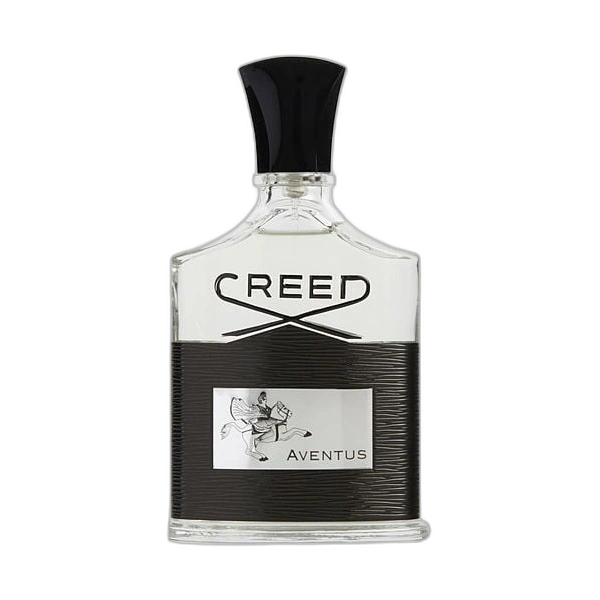
The pineapple in the top notes is the most misleading thing about Asad. It suggests something bright and tropical, and for perhaps five minutes it is — but this is pineapple in the Creed Aventus sense, a sharp fruity edge over dark materials rather than a fresh note in its own right. Black pepper and tobacco are alongside it from the first spray.
Within fifteen minutes the pepper burns off and the heart takes over: coffee and patchouli, with iris adding a dry, faintly powdery quality that keeps the whole thing from turning syrupy. This is the most distinctive stretch, and it is where Asad earns the comparisons to fragrances several times its price.
The base is where it settles for the long haul — vanilla, amber, benzoin, labdanum and dry wood. Labdanum is the note doing the heavy lifting: a sticky, leathery, faintly animalic resin that reads as warmth rather than sweetness. Combined with strong sillage and long-lasting performance, expect eight to ten hours and expect it to be noticed for most of them. This is not a fragrance that fades politely into a skin scent.
When to wear it instead
- Late autumn and winter. Cold air suits the resins and slows everything down.
- Evenings. It rates strongest for nights out by a wide margin, at 2.26.
- Sparingly at work. Its professional rating of 0.94 is middling and its sillage is strong. One or two sprays if you must.
- Not for casual daytime. At 0.44 this is its lowest occasion rating by some distance.
One or two sprays is genuinely enough. This is a fragrance people routinely overapply because it smells expensive up close, and then wonder why the room goes quiet.
What Asad actually is
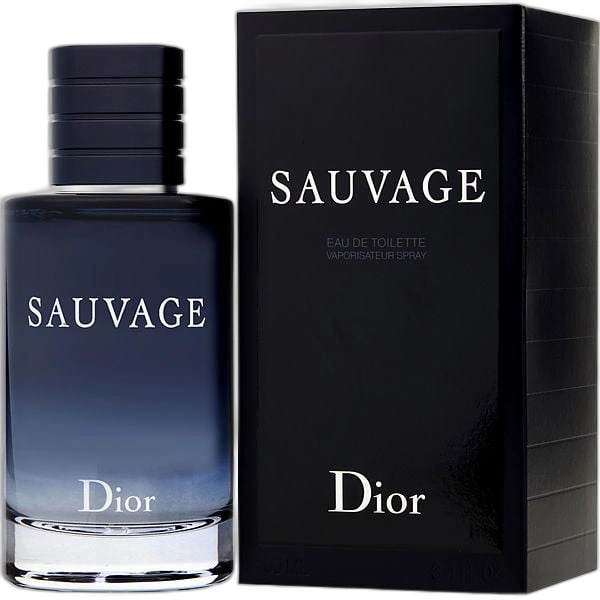
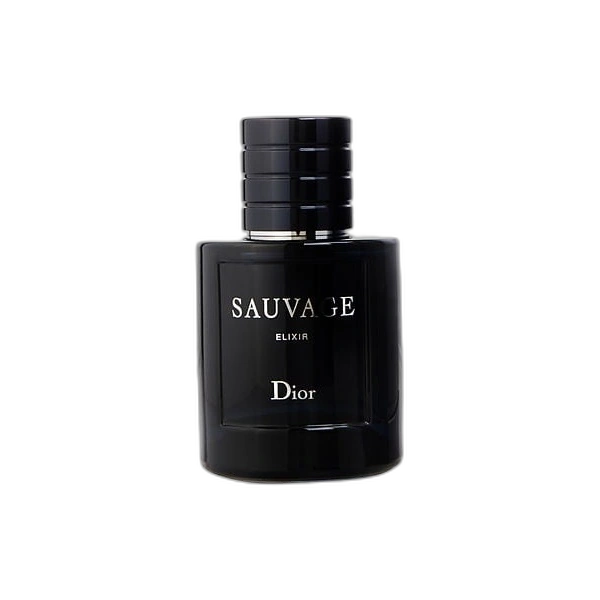
Asad is Lattafa's take on Dior Sauvage Elixir — and it is one of the few famous Lattafa bottles with a documented target, most of their hits being their own compositions.
That pairing explains the seasonality neatly. Sauvage Elixir is itself a cold-weather flanker: where the original Sauvage is a fresh, blue, summer-friendly fragrance, the Elixir turns it dark, spicy and resinous. Asad inherits the Elixir's season, not the original Sauvage's — which is exactly the confusion that produces this question.
If you are here because someone told you Asad is a Sauvage dupe and you wanted a summer scent: they meant the wrong Sauvage. The original Sauvage has its own clones, and those are the summer-appropriate ones.
This is a general trap worth remembering. Flankers are not the same fragrance, and confusing a base release with its flanker is the most common error in dupe research.
Asad Zanzibar is not the summer version
A reasonable assumption, given the name and the beach imagery, and it does not survive the data. Asad Zanzibar is a 2024 release built on salt, coconut, lavender and iris over vanilla and incense — a genuinely lighter composition with moderate rather than strong sillage.
It still scores 0.00 for summer, and 0.00 for casual wear on top of that. Its best season is winter at 1.26. Whatever Zanzibar is for, it is not the warm-weather Asad, and buying it on the strength of the name is a mistake. If you want the DNA in heat, you are looking at a different fragrance entirely rather than a different Asad.
Who should buy it
Buy it if you want a cold-weather evening fragrance and you already know you like dark, resinous, tobacco-and-coffee compositions. At its price it is one of the genuinely strong arguments for the whole clone category, and the Sauvage Elixir comparison holds up better than most.
Skip it if you need one bottle for the year, if you wear fragrance mostly during the working day, or if you live somewhere hot. Six months of the year this sits unused, and no amount of restraint in application changes that — you are reducing the quantity, not the character.
What to wear instead in summer
If you want the Lattafa house style in heat, look for fresh, citrus and aquatic compositions rather than gourmands and resins. Fakhar is the obvious starting point — an aromatic fougère that rates positively in all four seasons.
Summer is also where clones perform best relative to their originals, since light designer fragrances tend to be weak performers themselves — and beating a weak performer is not a hard problem.
The short version
Asad is emphatically not a summer fragrance. Zero for spring, zero for summer, and one of the two strongest winter ratings in the Lattafa range we track. Tobacco, coffee, patchouli and amber with strong sillage is a cold-weather proposition and nothing else.
Wear it from October to March, in the evening, at one or two sprays. In July it will be unpleasant for you and for everyone near you.
Related reading
- Is Khamrah Qahwa a summer fragrance? — same answer, same reason.
- Is Lattafa Fakhar good for summer? — this one is a yes.
- Which Lattafa should you buy first?
- Is Lattafa Khamrah for men or women?