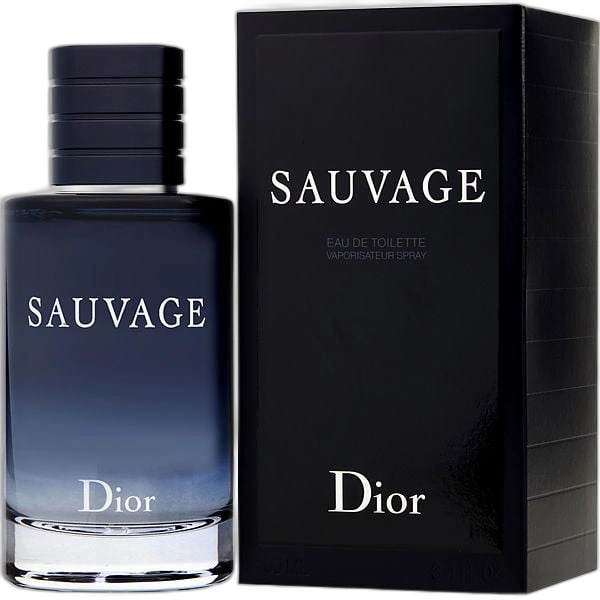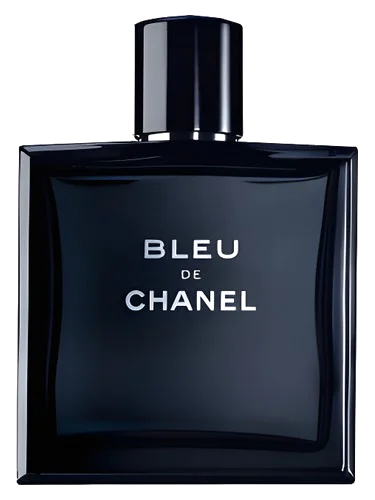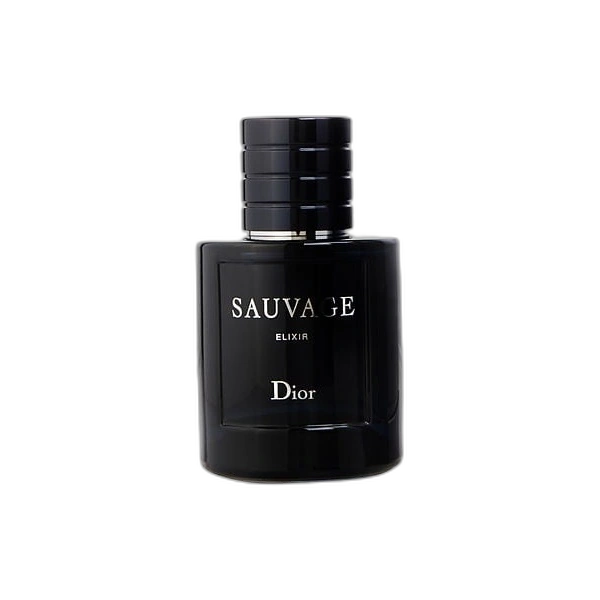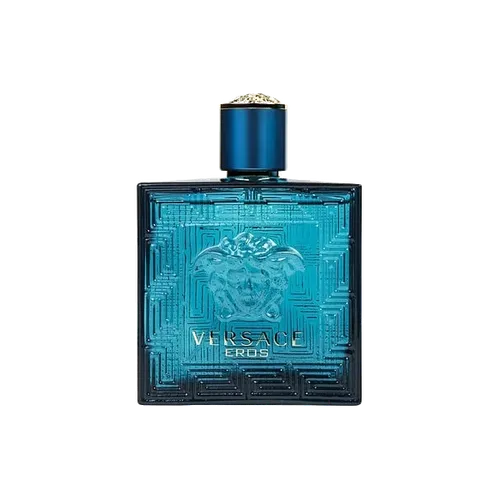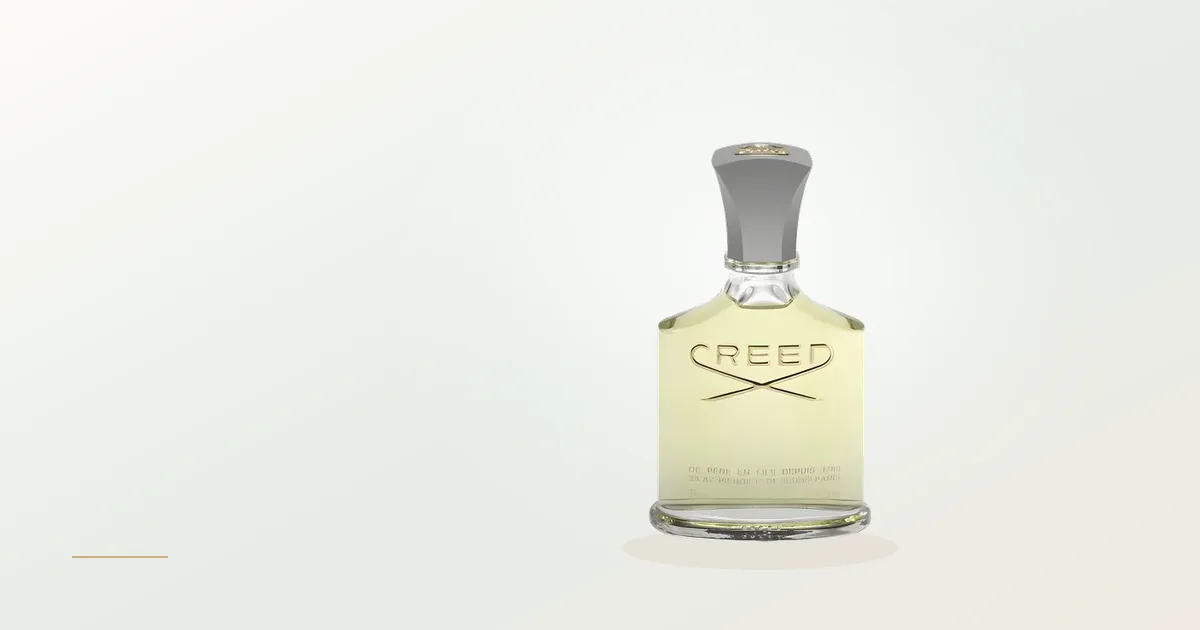
Walk into any fragrance retailer and you'll see it immediately: Dior Sauvage EDT, EDP, Parfum, and Elixir. Bleu de Chanel EDT, EDP, and Parfum.
Versace Eros EDT, EDP, Parfum, and Flame. Each shelf is dominated not by different fragrances, but by different versions of the same fragrance. This matters more than it looks: confusing a base release with its flanker is the most common error in dupe research, and it is why Lattafa Asad — a clone of Sauvage Elixir — is a winter fragrance while Sauvage itself is not.
These are flankers — and understanding them is one of the most practical skills in fragrance. They can save you money, help you find your perfect scent, or drain your wallet if you don't know what you're looking at.
What Exactly Is a Flanker?
A flanker is a fragrance released under the name and branding of an existing successful fragrance, but with a modified formula. The original fragrance is called the "pillar" or "mainline" scent, and flankers build on its DNA — keeping the overall character recognizable while shifting the emphasis, concentration, or mood.
Flankers come in several forms:
- Concentration variants: Same fragrance name, different oil concentration (EDT → EDP → Parfum → Elixir). These share the most DNA with the original. Example: Dior Sauvage EDT vs. Sauvage Parfum.
- Named variants: Share the pillar name but add a descriptor that signals a different interpretation. Example: Versace Eros vs. Eros Parfum, or YSL Libre vs. Libre Intense.
- Seasonal or limited editions: Released for a specific time or market. Often more experimental, sometimes becoming permanent if they sell well.
- Gender extensions: A men's fragrance that launches a "Pour Femme" counterpart, or vice versa. These share branding but can be quite different in actual scent.
Why Brands Keep Making Flankers
The cynical answer is money, and that's not wrong — but it's incomplete. Here's what's actually going on:
The Economics
Launching a brand-new fragrance is extraordinarily expensive. You need a new name, new bottle design, new marketing campaign, new retail placement — and you're competing for attention against thousands of other new releases.
Most new fragrances fail within two years.
Flankers eliminate most of that risk. The name already has recognition.
The bottle design needs minor tweaks, not a complete redesign. Retailers are happy to give shelf space to a proven franchise.
And customers who loved the original are predisposed to at least try the flanker. It's dramatically cheaper and more predictable than starting from scratch.
Capturing More Occasions
The more charitable explanation: a single fragrance can't be perfect for every situation. Dior Sauvage EDT is a versatile crowd-pleaser, but some people want something richer for winter (Parfum), more intense for dates (Elixir), or lighter for summer (a hypothetical Sport flanker). Flankers let a brand serve the same customer across different contexts rather than losing them to a competitor.
Formula Evolution
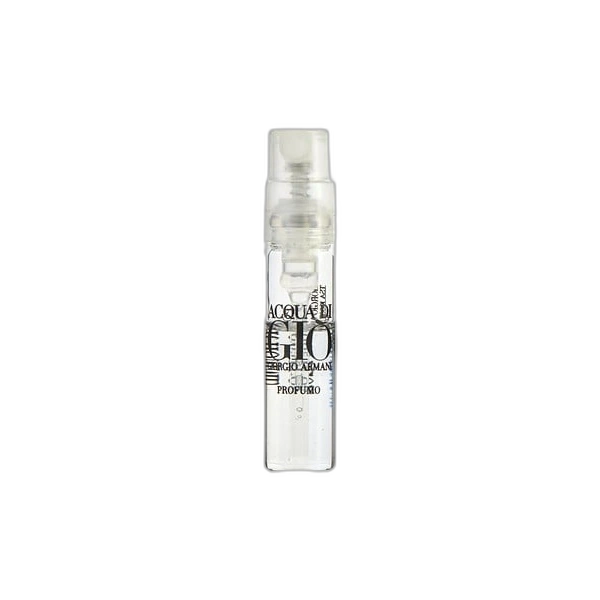
Sometimes a flanker is genuinely an improvement or artistic evolution. Perfumers gain access to new materials, tastes shift, or the original perfumer wants to explore a different facet of the concept. Acqua Di Gio Profumo isn't just a cash grab — it's a genuinely different interpretation of the aquatic concept that many people prefer to the original.
Understanding Concentration Differences
The most common type of flanker is a concentration variant. Here's what the labels actually mean:
- Eau de Cologne (EDC): 2-4% fragrance oil. Light, fleeting, designed for a quick refresh. Rare in modern designer fragrances.
- Eau de Toilette (EDT): 5-15% fragrance oil. The most common concentration. Lighter projection, moderate longevity (4-6 hours typically).
- Eau de Parfum (EDP): 15-20% fragrance oil. Richer, longer-lasting, often emphasizing heart and base notes more than top notes.
- Parfum / Extrait: 20-30%+ fragrance oil. The most concentrated. Not just "stronger" — the higher oil content changes the scent's character, often making it smoother and more intimate.
- Elixir: A marketing term (not an official concentration category) that usually signals the most intense version in a line.
Critical point: Higher concentration doesn't just mean "same scent, louder." The formula is almost always adjusted. An EDP version may emphasize different notes than the EDT, change the proportions, or introduce entirely new materials. Bleu de Chanel EDT and Bleu de Chanel Parfum share a family resemblance, but they're noticeably different fragrances on skin.
Case Study: The Acqua Di Gio Universe
Giorgio Armani's Acqua Di Gio line is perhaps the most instructive flanker family in fragrance. Starting from the 1996 original, it has expanded into a universe of related-but-distinct scents:
- Acqua Di Gio (EDT, 1996): The pillar. Bright aquatic with citrus, marine notes, and light cedar. The quintessential summer fragrance. Fresh, clean, moderate longevity.
- Acqua Di Gio Profumo (EDP, 2015): A darker, richer take. Adds incense, amber, and patchouli to the aquatic base. Significantly more depth and longevity than the original. Works year-round, not just summer. Many fragrance enthusiasts consider this the best in the line.
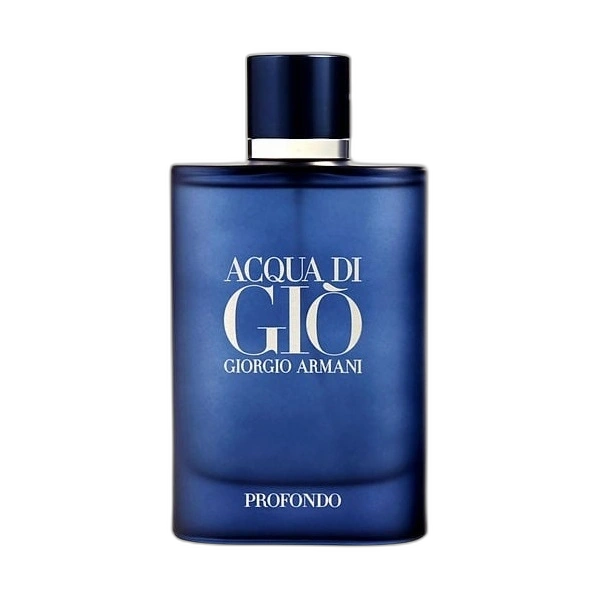
- Acqua Di Gio Profondo (EDP, 2020): Splits the difference. More modern than the original, less heavy than Profumo. Adds mineral aquatic notes and a woody-amber base. Designed for a younger audience who wants something fresh but not as dated as the 1996 formula.
Notice the pattern: each flanker shifts the balance between freshness and depth. The original is pure freshness.
Profumo is depth with an aquatic signature. Profondo is a modern compromise.
They share DNA — you can smell the family connection — but they serve different purposes and appeal to different preferences.
Case Study: Bleu de Chanel's Concentration Spectrum
Bleu de Chanel EDT launched in 2010 as a versatile, woody-aromatic fragrance designed to work everywhere. It succeeded massively, and Chanel followed with an EDP and then a Parfum.
The EDT is crisp and citrus-forward, with mint and grapefruit creating a clean, sharp impression. The EDP keeps that character but adds more sandalwood depth and a cedar richness that gives it better cold-weather performance. The Parfum goes further still, emphasizing the sandalwood and adding a honeyed, incense-like quality that makes it the warmest in the line.
If you blindly bought the Parfum expecting "the same thing but stronger," you'd be disappointed. It's a meaningfully different scent experience — smoother, warmer, more intimate.
The EDT is the everyday office scent. The Parfum is the evening, cold-weather, special-occasion version.
The EDP is the do-everything middle ground.
Case Study: YSL Libre — Flankers That Diverge
The YSL Libre line shows how far flankers can stray from the original concept while maintaining a family name:
- Libre EDT: Lavender and orange blossom with white musk. Clean, aromatic, surprisingly unisex for a women's fragrance.
- Libre Intense: Dials up the orange blossom and adds a creamy, almost gourmand warmth. Richer, more traditionally feminine, better for evening.
- Libre Le Parfum: Pushes into darker territory with vanilla and ambroxan. The most concentrated and longest-lasting, with a smoky sweetness that's a significant departure from the original's clean brightness.
These three serve genuinely different purposes and could appeal to different people entirely. Someone who loves Libre EDT's clean lavender might actively dislike Le Parfum's sweet warmth.
This is flanker divergence at its most extreme — and it makes sampling before buying essential.
How to Choose the Right Flanker
Here's a practical framework for navigating a flanker lineup:
Step 1: Start With the Original
If you haven't smelled the pillar scent, start there. It establishes the baseline and helps you articulate what you like or want to change.
"I love Sauvage but wish it were smoother and longer-lasting" points you toward the Parfum or Elixir.
Step 2: Identify What You'd Change
Common wishes and which direction they point:
- "I want it to last longer" → Higher concentration (EDP, Parfum)
- "I want something richer for winter" → Intense, Parfum, or Elixir variants
- "I want something lighter for summer" → Sport, Fraîche, or Eau variants
- "I want something more unique" → Limited editions or the most extreme variant
- "I want the best all-around version" → Usually the EDP sits in the sweet spot
Step 3: Always Sample
Never assume a flanker will be "the same but better." Flankers can smell surprisingly different from the pillar — especially Parfum and Intense versions that shift the note emphasis significantly. Decant services, sample sets, and retailer testers are your friends.
Step 4: You Don't Need the Whole Line
Marketing wants you to "collect" every flanker. Resist this.
In most cases, one version per fragrance family is sufficient. Owning both Bleu de Chanel EDT and EDP means owning two fragrances that are 70% the same — that's money better spent exploring something completely different.
When Flankers Go Wrong
Not all flankers are created equal. Some common pitfalls:
- The "worse in every way" flanker: Sometimes a flanker is clearly inferior — less balanced, cheaper-smelling, or a confused concept. If reviews consistently say "just get the original," trust them.
- The flanker that cannibalizes the original: When a Parfum version is unambiguously better, the EDT becomes pointless. This has arguably happened with several lines where the higher concentration is strictly superior.
- The endless flanker machine: Some houses release 2-3 flankers per year from the same pillar. This often signals creative exhaustion and declining quality. The 12th version of a fragrance is rarely as considered as the 2nd.
- Name confusion: When a line has 8+ flankers with similar names, it becomes genuinely difficult to remember which one you liked. Take notes when sampling.
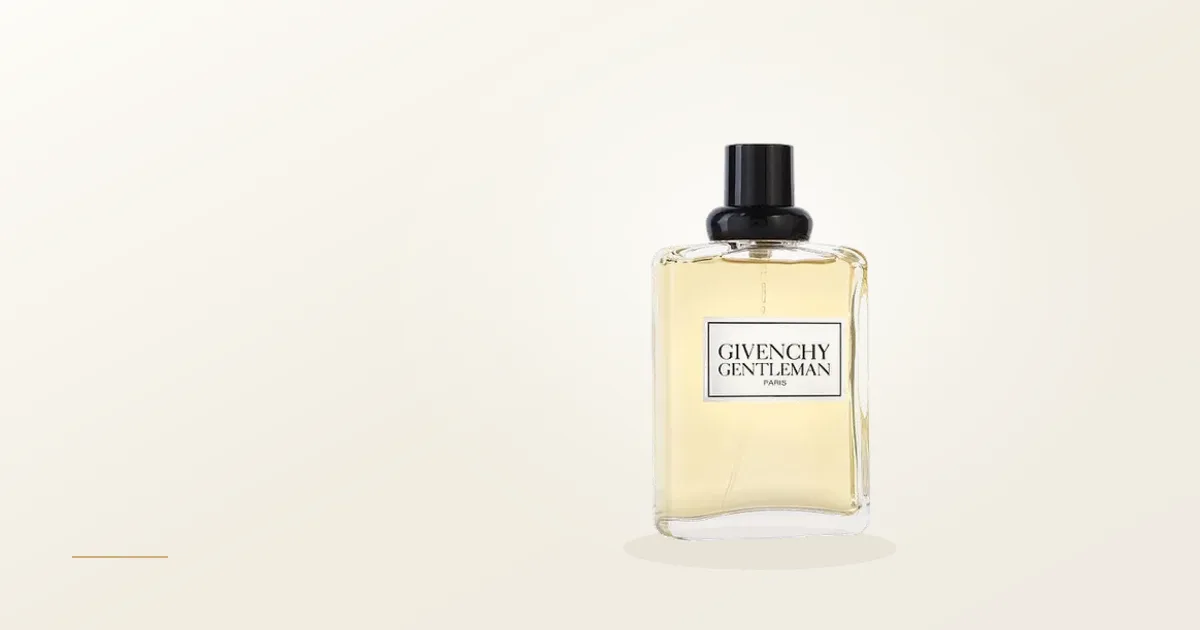
The worst case in mainstream perfumery is probably Givenchy Gentleman, which has been the name of eight genuinely different fragrances since 1974. It matters for shopping as well as for dupes: only one of the eight has a budget alternative, and we sorted out which is which in is there a Givenchy Gentleman dupe.
Flankers vs. Clones: Know the Difference
Flankers are official variations from the same brand. Clones are imitations from different brands that try to replicate a popular fragrance at a lower price.
They're different things:
- Flankers share a creative lineage and are made by (or authorized by) the original perfumer or house. They're variations on a theme.
- Clones attempt to copy someone else's work. Quality varies wildly. Some are impressive; many are mediocre approximations that miss the nuance of the original.
If you like a flanker's specific scent profile, there's usually no adequate clone because flankers themselves are already variations — cloning a variation of a variation rarely produces anything worthwhile.
Flankers exist because a great fragrance concept has more than one valid interpretation. The key is treating each one as its own fragrance rather than an upgrade to the original.
Sample deliberately, choose the version that fits your actual use case, and remember that you don't need to collect them all — you just need the one that smells right on your skin, in your climate, for your occasions.