Walk into any fragrance counter and you'll see the same perfume sold as an Eau de Toilette, an Eau de Parfum, and maybe a Parfum or Extrait. The price jumps with each step up.
But does higher concentration always mean longer lasting? The answer is more nuanced than the fragrance industry wants you to believe — and it is the single biggest lever on what a bottle costs.
Understanding concentrations isn't just academic — it directly affects how much you spend, how long your fragrance lasts, and whether you're actually getting the performance you want. Let's break down what these labels actually mean and when the expensive option isn't the best choice.
The Concentration Spectrum
Every fragrance is a mixture of aromatic compounds (the part that smells) dissolved in a carrier — usually a blend of ethanol and water. The "concentration" refers to the percentage of aromatic compounds in that mixture.
Eau Fraiche (1-3%)
The lightest category. Barely-there scent that typically lasts 1-2 hours.
Most body mists and splashes fall here. They're refreshing for post-gym or mid-summer touch-ups, but don't expect anyone to notice unless they're within arm's reach.
Eau de Cologne (3-5%)
Traditionally associated with bright, citrus-forward compositions. Classic colognes like 4711 live here.
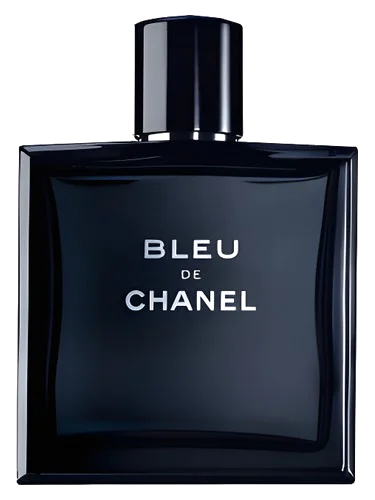
Modern EDCs are rare but do exist — Bleu de Chanel offers an EDC concentration that gives you the DNA of the fragrance in a lighter, more office-friendly format. Expect 2-4 hours of longevity.
Eau de Toilette (5-15%)
The workhorse of the fragrance industry. Most men's fragrances and many women's launch as EDTs.
This is the concentration that built the modern fragrance market. At its best, an EDT gives you 4-8 hours of wear with moderate projection.
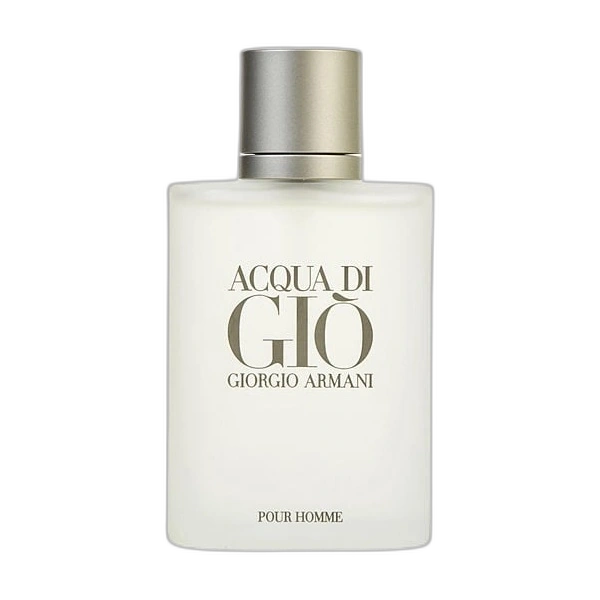
Acqua Di Gio is the quintessential EDT — fresh, aquatic, designed to be worn casually without overwhelming anyone. It does what an EDT should: present a pleasant scent aura without demanding attention.
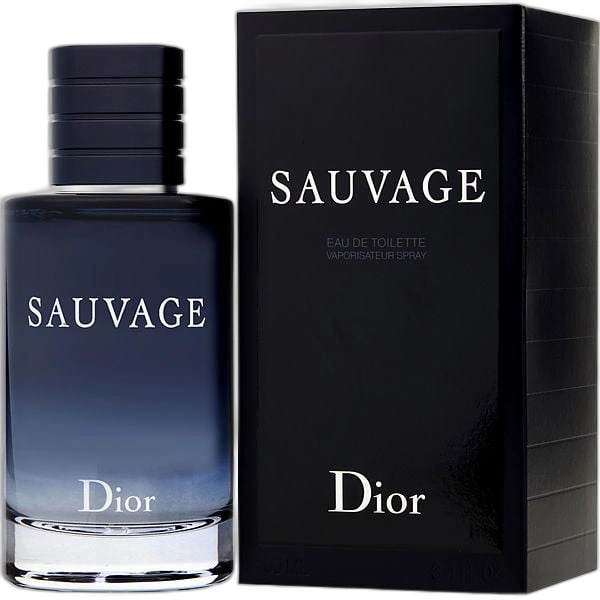
Dior Sauvage EDT shows what happens when a modern EDT is formulated with powerful synthetic molecules like Ambroxan. Despite being "only" an EDT, it routinely delivers 6-10 hours of longevity and projects aggressively for the first 3-4 hours.
This is a case where the concentration label doesn't tell the full story.
Eau de Parfum (15-20%)
The sweet spot for many fragrance enthusiasts. EDPs typically offer 6-10 hours of longevity with better projection than EDTs.
The higher oil concentration means more of the heart and base notes come through, often making the fragrance feel richer and more complex.
Compare Acqua Di Gio EDT to Acqua Di Gio Profumo (which is technically an EDP despite the "Profumo" name). The Profumo retains the aquatic DNA but adds amber, incense, and patchouli depth.
It's not just the same fragrance turned up — it's a genuinely different composition that uses the higher concentration to explore deeper territory. Longevity jumps from 4-6 hours to 8-10 hours.
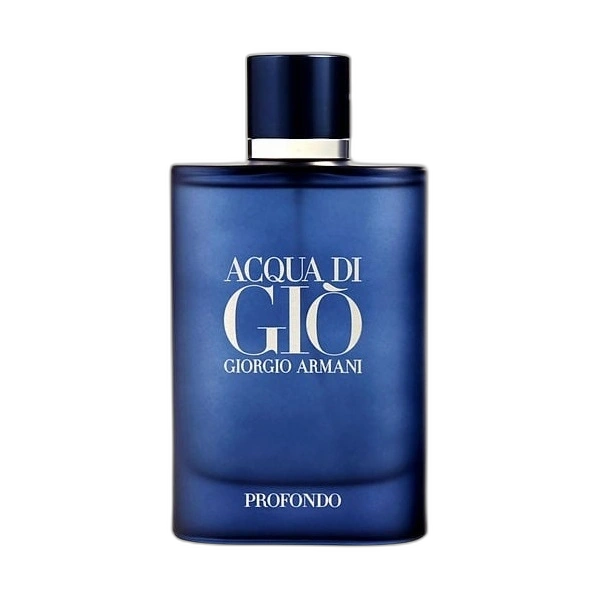
Acqua Di Gio Profondo takes yet another direction — still EDP concentration, still aquatic, but with mineral and amber notes that give it an oceanic depth the original EDT never touches.
Parfum / Extrait de Parfum (20-40%)
The highest concentration commonly available. Parfums and Extraits sit closest to the skin with minimal projection but extraordinary longevity — often 12-24 hours.
They're intimate fragrances, designed to be discovered rather than announced.
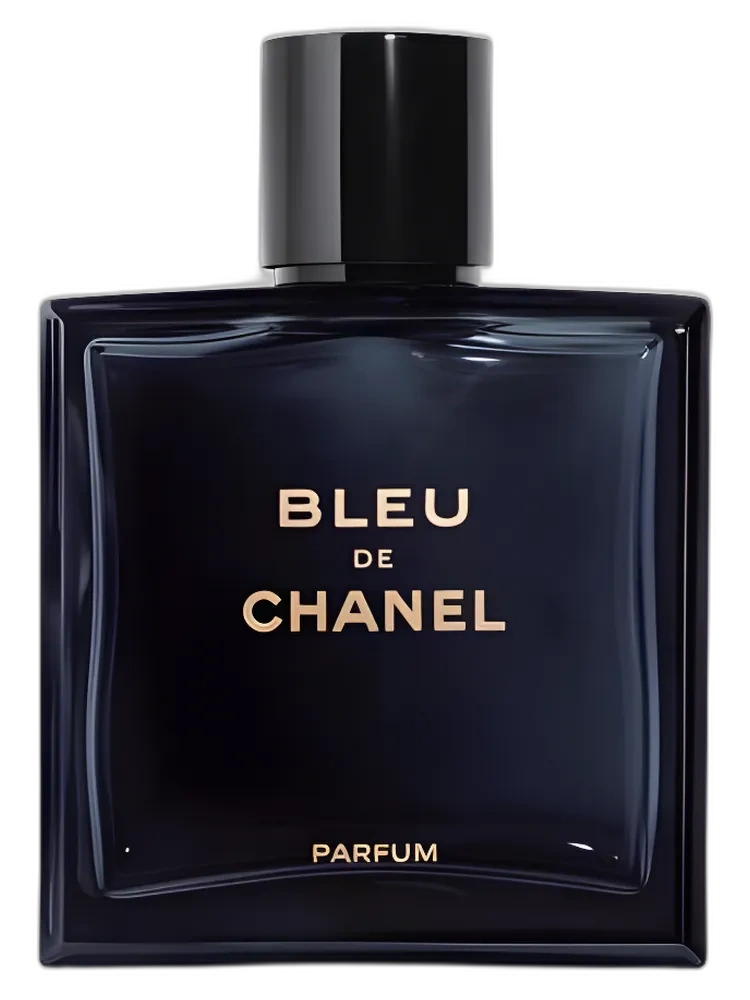
Bleu de Chanel Parfum illustrates the Parfum philosophy beautifully. Where the EDT is bright and citrus-forward, the Parfum is smooth, woody, and sandalwood-rich.
The projection is more restrained, but the scent clings to skin and clothes for an entire day. It's the same fragrance DNA viewed through a completely different lens.
The Concentration Myth: Why Higher Isn't Always Better
Here's where conventional wisdom fails: higher concentration does not automatically mean longer lasting. Several factors can make a lower-concentration fragrance outperform a higher one.
Ingredient Quality and Type
The specific aromatic molecules matter more than their percentage. A 10% concentration of heavy, substantive molecules (musks, ambers, woods) will outlast a 25% concentration of volatile citrus and green notes.
This is why some EDTs with robust base notes outperform EDPs built around lighter materials.
Modern Synthetics
Molecules like Ambroxan, Iso E Super, and various muskalones have transformed what's possible at lower concentrations. These synthetic molecules are incredibly tenacious — they bind to skin and fabric and refuse to leave.
A modern EDT using these molecules can easily match or beat a traditional EDP in longevity.
This is exactly why Dior Sauvage EDT lasts as long as many EDPs. Its Ambroxan backbone is so persistent that the concentration percentage becomes almost irrelevant to longevity.
Projection vs Longevity: The Tradeoff
This is the distinction most people miss. Projection (how far your scent travels from your body) and longevity (how long you can detect it at all) are different qualities, and they often trade off against each other.
- EDTs tend to project more aggressively relative to their longevity. The higher alcohol content in the carrier literally throws fragrance molecules into the air around you. You get noticed, but it burns out faster.
- Parfums/Extraits tend to sit closer to the skin but last much longer. The higher oil concentration keeps molecules bound to your skin rather than projecting outward. You smell good to anyone who gets close, for a very long time.
- EDPs often hit the middle ground — decent projection for 3-4 hours, then settling into a closer skin scent for another 4-6 hours.
So when someone says their Extrait "doesn't last," what they often mean is it doesn't project. The scent is still there on their skin — they just can't smell it from arm's length anymore.
This is a critical distinction.
When EDT Actually Beats EDP
There are legitimate scenarios where the lower concentration is the better choice:
- Hot weather. Heat amplifies fragrance. An EDP that's pleasant in winter can become overpowering in July. EDTs breathe better in heat and their higher volatility becomes an asset rather than a liability — the scent lifts and refreshes rather than sitting heavy.
- Office environments. Aggressive sillage in a shared workspace is a problem. EDTs provide a pleasant personal scent bubble without carpet-bombing the entire floor.
- When you want to reapply. Some people enjoy refreshing their fragrance at lunch. With an EDT, reapplication feels natural. With a Parfum, layering over remnants of the morning application can create a muddled, too-heavy result.
- Cost efficiency. EDTs are typically 30-50% cheaper than EDPs. If you're going through a bottle every few months, the savings add up. Especially for casual, everyday scents that don't need 12-hour endurance.
- Fresh and citrus compositions. Some fragrance families simply work better at lower concentrations. Citrus, aquatic, and light floral compositions can feel flat or synthetic when overly concentrated. The alcohol lift of an EDT gives them sparkle and effervescence that an EDP can dull.
How to Choose the Right Concentration
Ask yourself these questions:
- Where will you wear it? Daily office wear → EDT or light EDP. Evening events → EDP or Parfum. Intimate occasions → Parfum or Extrait.
- What climate are you in? Hot and humid → lean lighter. Cold and dry → lean heavier.
- How do you want to be perceived? Subtle and professional → lower concentration. Statement-making → higher concentration.
- What's the fragrance family? Fresh/citrus/aquatic → EDT often best. Woody/oriental/amber → EDP or Parfum often best.
- What's your skin type? Dry skin → consider higher concentration to compensate for faster evaporation. Oily skin → lower concentrations may perform better than expected.
The Price-Per-Hour Calculation
Here's a practical way to think about value. If a 100ml EDT costs $80 and gives you 5 hours per application with 2 sprays, and a 100ml EDP costs $130 and gives you 8 hours with 2 sprays:
- EDT: roughly $0.13 per spray, $0.026 per hour of scent
- EDP: roughly $0.21 per spray, $0.026 per hour of scent
In this hypothetical, the cost per hour is identical. The EDP feels more expensive, but you're spraying less often and getting more time per application.
Always think in cost-per-wear, not cost-per-bottle.
The Flanker Trap
One important warning: don't assume the EDT and EDP of the same fragrance are the same scent at different strengths. In most modern releases, they're distinct compositions that share a DNA but use different ingredients and proportions.
The Acqua Di Gio line demonstrates this perfectly. The original EDT is a transparent, marine-citrus fragrance. Profumo adds incense and amber for warmth. Profondo goes deeper with minerals and aquatic notes.
They share a family resemblance, but they're siblings, not clones.
Always sample each concentration separately rather than assuming you can predict how an EDP will smell based on the EDT.
The concentration on the label tells you something about a fragrance, but it doesn't tell you everything. The ingredients, the synthetic molecules, your skin type, and the wearing context all matter as much as — or more than — the oil percentage.
The best concentration is the one that delivers the performance you need for the specific situation you're wearing it in.