Fragrance layering — wearing two or more scents at the same time — is either the best-kept secret in the perfume world or the fastest way to smell terrible. The difference between the two outcomes is knowing a few fundamental rules and having the restraint to follow them. It helps to know what each bottle actually is, too — if one of yours is a clone, knowing what it was built to copy tells you a great deal about how it will behave in a blend.
Done right, layering creates a scent that's uniquely yours, something nobody else is wearing because nobody else has that exact combination. Done wrong, it's a chaotic mess that gives everyone around you a headache.
Let's make sure you land on the right side.
Why Layer at All?
Single fragrances are formulated to be complete compositions — they don't need anything added. So why layer?
- Customization. Your favorite fragrance might be 90% perfect but lack a certain warmth, freshness, or sweetness. Layering lets you tweak it.
- Uniqueness. In a world where popular fragrances are worn by millions, layering creates something distinctly yours.
- Longevity. Adding a long-lasting base fragrance under a lighter one can extend its life on skin.
- Seasonal adaptation. You can warm up a summer scent for fall or lighten a winter scent for spring without buying entirely new bottles.
- Using up your collection. If you have 15 fragrances and most are sitting unused, layering gives you reason to reach for all of them.
The Golden Rules of Layering
Rule 1: One Star, One Supporting Actor
The most common layering mistake is trying to combine two complex, attention-demanding fragrances. Both compete for dominance and the result is noise.
Instead, choose one "lead" fragrance — usually the more complex, distinctive one — and one "support" fragrance that provides a simple base, warmth, or freshness without its own competing storyline.
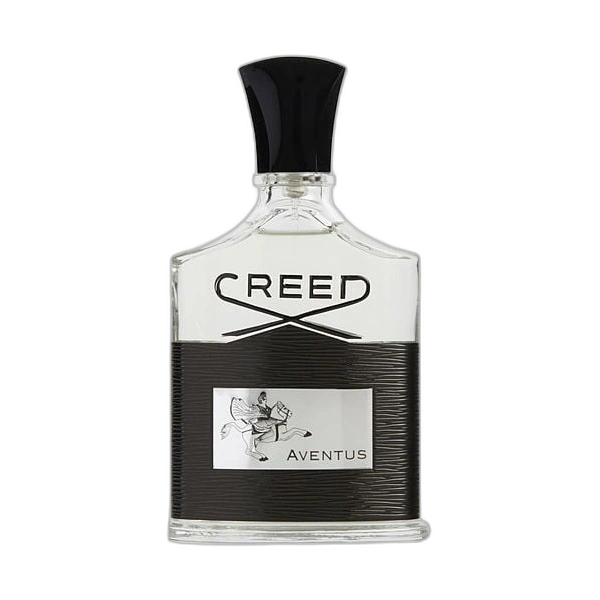
For example, Creed Aventus is a complex lead with pineapple, birch, musk, and oakmoss. Layering it with another complex fragrance would be chaos.
But adding a simple vanilla or clean musk underneath lets Aventus shine while gaining extra warmth and longevity.
Rule 2: Shared Notes Are Your Bridge
The safest layering combinations share at least one note or accord family. This common ground acts as a bridge between the two scents, making them feel cohesive rather than disjointed.
If your lead fragrance has a vanilla base, your support fragrance should also contain vanilla, tonka bean, benzoin, or another warm gourmand element. If your lead is woody, the support should have cedar, sandalwood, vetiver, or similar woods.
Rule 3: Apply the Heaviest First
Application order matters. Always apply the heavier, denser fragrance first and the lighter one on top.
Heavy fragrances need more time to settle into your skin, and applying them over a lighter scent would bury it entirely.
The practical sequence:
- Apply the heavier/base fragrance to your skin (inner wrists, neck)
- Wait 2-3 minutes for it to begin drying down
- Apply the lighter/lead fragrance on top or on adjacent pulse points
Rule 4: Less Is Dramatically More
When layering, reduce each fragrance by at least half compared to what you'd normally wear. If you usually do 4 sprays of a single fragrance, do 2 sprays of each when layering.
You're doubling the amount of aromatic material on your skin — the combined effect is more intense than either fragrance alone.
A good starting ratio: 2 sprays of the base/support + 2-3 sprays of the lead. Adjust from there based on how the combination develops after 30 minutes.
Complementary Fragrance Families
Not all scent families play well together. Here's a practical compatibility guide:
Combinations That Work
- Woody + Citrus/Fresh — A cedar or sandalwood base under a citrus-forward lead creates depth without heaviness. Classic masculine layering territory.
- Vanilla/Gourmand + Floral — Sweetness under florals creates a warm, inviting combination. Think rose + vanilla or jasmine + tonka.
- Amber/Oriental + Fresh — This is the contrast-layering approach. A warm amber base under something clean and aromatic creates an intriguing tension. MFK Grand Soir (amber-vanilla) layered under a light citrus can be stunning.
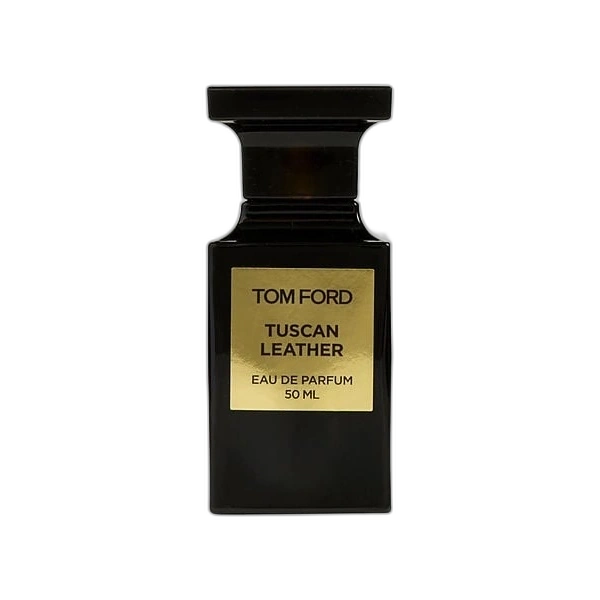
- Oud/Leather + Spice — Two intense families that speak the same language. Tom Ford Tuscan Leather with a saffron or cardamom-forward scent creates dark sophistication.
- Musk + Almost Anything — Clean musks are the universal layering base. They extend longevity and add a skin-like warmth without competing with any lead fragrance.
Combinations to Avoid
- Two aquatics. Aquatic notes are already vague and hard to distinguish. Layering two of them creates an indistinct marine blur.
- Sweet + Sweet. Layering two gourmand fragrances almost always produces something cloying and nauseating. If your lead is sweet, your base should be dry, woody, or musky to provide contrast.
- Two heavy orientals. The combined density can be suffocating. If you love orientals, layer one with something fresh or citrus to give it room to breathe.
- Conflicting synthetics. Some synthetic molecules clash audibly. If a combination smells "chemical" or gives you a headache within 10 minutes, the underlying molecules are incompatible. Trust your nose and separate them.
Practical Layering Combinations to Try
Here are specific combinations using popular fragrances to get you started:
The Fresh + Depth Combo
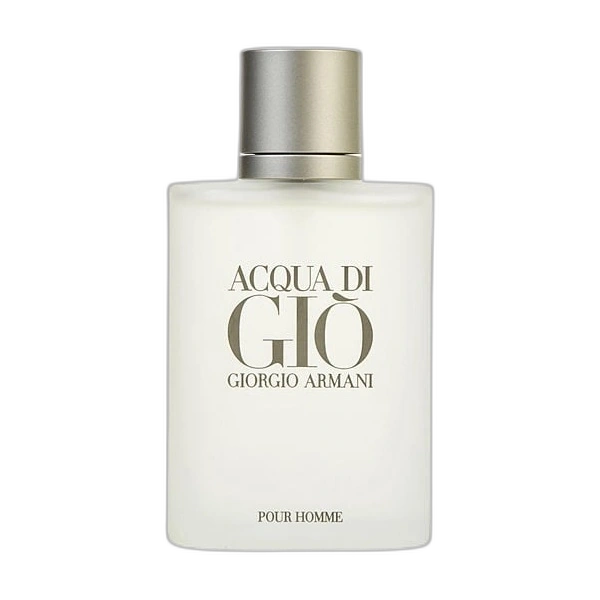
Acqua Di Gio is famously light and evanescent. Layer it over a warm musk or vanilla base to extend its longevity while adding a warm, inviting depth the original lacks.
The aquatic freshness rides on top of the warmth — like sunlight on warm stone.
The Power Layer
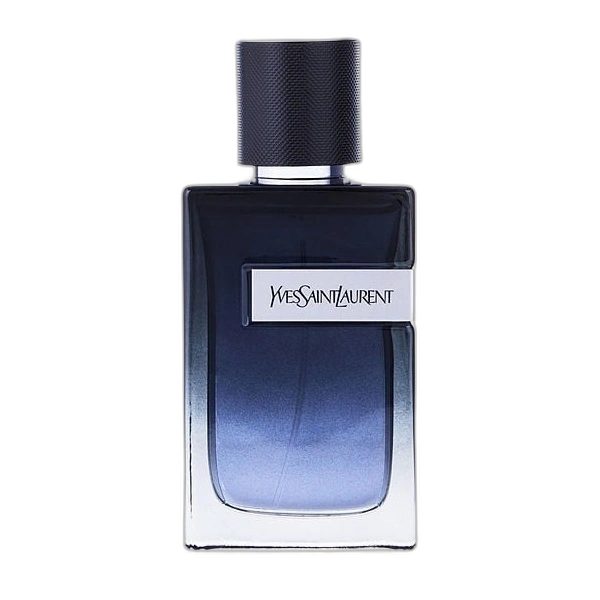
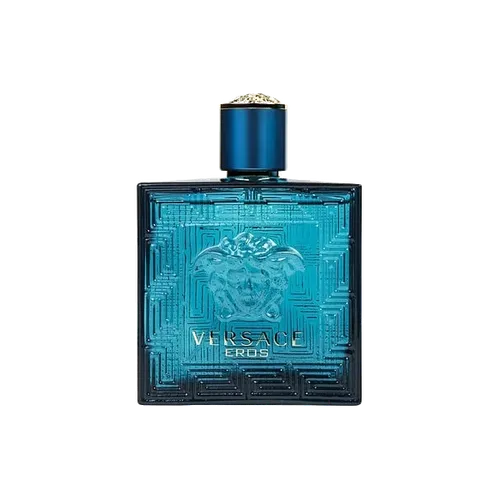
YSL Y EDP is already assertive with its apple, sage, and amberwood profile. Adding 1-2 sprays of Versace Eros Parfum underneath amplifies the sweet-fresh tension and creates a beast-mode date night combination.
Use sparingly — this is a loud pairing.
The Sophisticated Layer
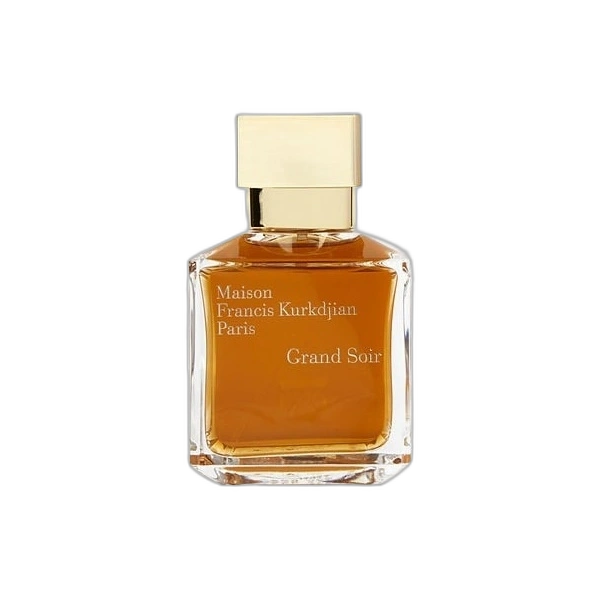
MFK Grand Soir provides one of the most luxurious amber-vanilla bases in perfumery. Almost any clean or woody fragrance layered on top will benefit from its warmth and longevity.
It turns everyday fragrances into something that smells expensive.
Application Techniques
Same-Spot Layering
Applying both fragrances to the same pulse points creates the most blended, cohesive result. The scents mix directly on your skin and merge into a single composition.
This works best when the two fragrances are in complementary families.
Split Application
Applying each fragrance to different pulse points — for example, one on wrists and one on neck — creates a more distinct experience. You'll catch different scents depending on how you move.
This works well when you want both fragrances to remain identifiable rather than merging.
The Clothing Base
Spray your support fragrance on your clothing and your lead fragrance on your skin. This creates a layered effect where the skin scent is personal and the clothing scent provides a longer-lasting backdrop.
It also lets you swap the skin scent daily while keeping the same base on your jacket or sweater.
What Not to Do
- Don't layer more than two fragrances. Two is art. Three is a mess. Even experienced noses rarely pull off triple layers successfully.
- Don't spray them into the air and walk through. This applies scent unevenly and wastes most of it. Apply directly to skin or clothing.
- Don't assume expensive + expensive = better. A $30 vanilla layering base under a $300 niche fragrance can outperform two niche fragrances fighting for attention.
- Don't layer without testing at home first. Wear the combination for a full day before debuting it in public. Some combinations that smell great at first become unpleasant during the dry-down as different notes emerge at different rates.
- Don't forget about scented products. Your deodorant, hair product, and laundry detergent are already contributing scent. A strongly scented hair pomade plus two layered fragrances is three competing scents — and your nose has gone blind to the pomade.
Building a Layering Wardrobe
If layering interests you, consider building a small collection of simple, single-note or single-accord fragrances specifically for layering:
- A clean musk — universal base, extends everything
- A simple vanilla — adds warmth and sweetness to anything
- A pure cedar or sandalwood — adds woody depth without complexity
- A light citrus — freshens up heavier fragrances
- An oud or amber solo — adds Middle Eastern richness and serious longevity
These don't need to be expensive. Brands like Demeter, Montale, and various oil-based attar houses sell single-note fragrances specifically designed for layering at reasonable prices.
Layering is a skill, not a formula. The combinations above are starting points, not rules etched in stone.
Your skin chemistry, your preferences, and the specific bottles in your collection will determine what works. Start with one combination, wear it for a full day, and adjust.
The best layered scent is the one that makes you stop and think, "That's exactly what I want to smell like."