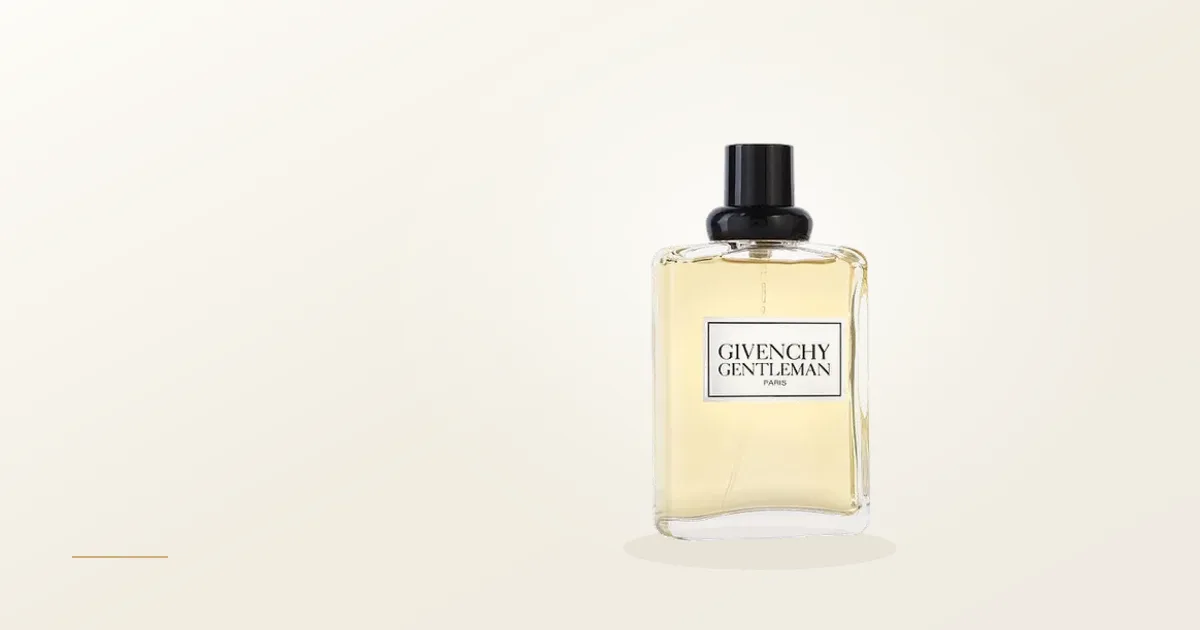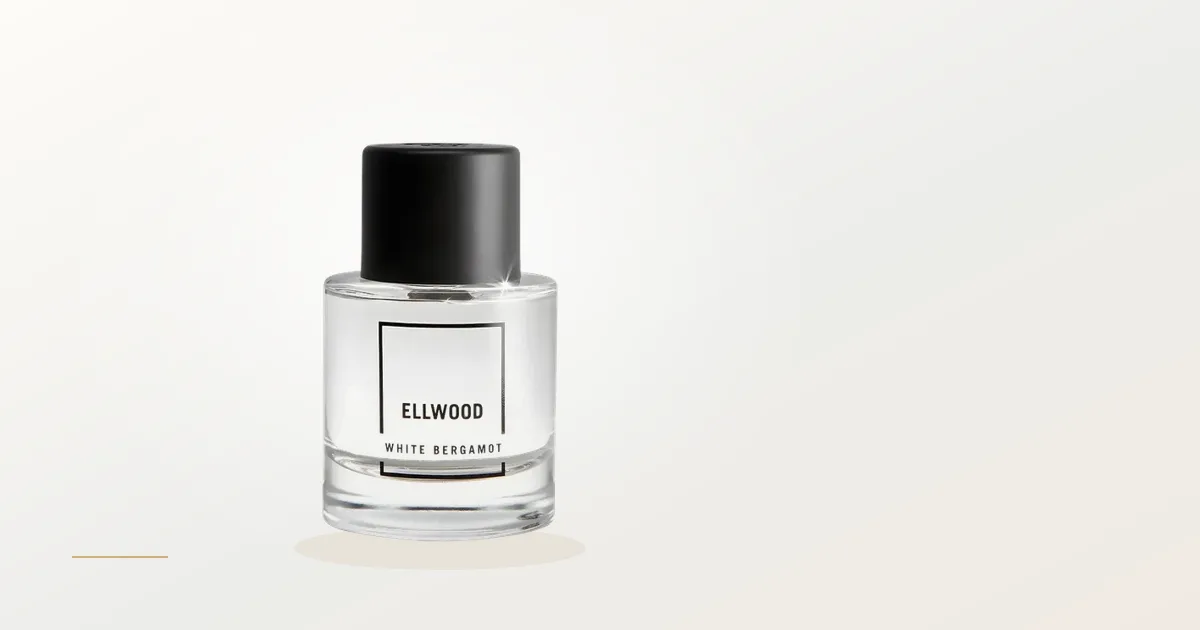
A clone at £22 sitting next to an original at £220 invites an obvious suspicion: something must be ten times worse. Cheaper materials, less of them, corners cut where you cannot see.
Some of that is true. Most of the gap is something else entirely, and it becomes clear once you look at where the money in a luxury fragrance actually goes.
What the originals cost
Of the fragrances that get cloned in our data, 74 carry a current retail price. The distribution:
| Median price | $179 |
| Average price | $214 |
| Range | $18 to $545 |
| Above $200 | 36 of 74 |
| Above $300 | 20 of 74 |
Their clones typically sell between £20 and £35. So the question is what the other 90% buys.
The liquid is the smallest line item
Industry estimates of the fragrance concentrate in a mass-market luxury bottle usually land somewhere between 2% and 10% of retail price. Even at the generous end, that is £22 of a £220 bottle — and the rest of that £220 is bottle, box, marketing, retail margin, tax and profit.
This is the single most important fact in the whole discussion. You are not mostly paying for what is in the bottle at any price point. A clone house that reproduces the composition and skips everything else is not skipping the majority of the cost, because the composition never was the majority of the cost.
Where the rest of it goes
Research and development — already paid for
A designer launch takes years. Multiple perfumers brief and re-brief, dozens of trial formulations are made and rejected, consumer panels test them, and the brand pays for all of it whether the fragrance succeeds or not — and most do not. That cost is spread across the bottles of the ones that work.
A clone house skips it entirely. The hard problem — what should this smell like, and will anyone want it — was solved by someone else, and the market has already confirmed the answer. Gas chromatography–mass spectrometry gives a readout of the components, and a competent perfumer reconstructs from there. The clone house is not funding discovery. It is copying a known-good answer to a solved problem.
This is not a minor saving. It is arguably the largest single one, and it is the reason clones can only exist downstream of hits.
Marketing — the biggest visible line
Fragrance is among the most heavily marketed categories in retail. A major launch means a celebrity face on a multi-year contract, a film director shooting a sixty-second advertisement, print in every glossy magazine, and department store counters staffed by people the brand pays for.
Estimates for advertising and promotion in prestige fragrance commonly run at 20–30% of revenue. Add the licensing fee — most designer fragrances are made under licence by Coty, Interparfums or L'Oréal, who pay royalties on every bottle — and a substantial slice of the price is gone before anything is manufactured.
Clone houses spend close to nothing here. Their marketing is reviews, Reddit threads and TikTok, produced free by customers. Some of the most-recommended clones in our data reached that position with no advertising whatsoever.
Retail margin, doubled
A department store typically takes 40–50% of the shelf price. Add distributor margin before that and roughly half the price of a counter fragrance is the cost of it being on that counter, in that shop, in that location.
Clone houses sell direct or through Amazon, which is a fundamentally cheaper route to a customer. This alone would roughly halve a price without any change to the product.
The bottle
Heavy glass, magnetic caps, metal collars, embossing, weighted bases, rigid printed boxes and cellophane. Luxury packaging is genuinely expensive and it is a deliberate part of the product — the weight in your hand is doing work for the brand.
Clone bottles are lighter, plainer and cheaper to ship. Our own owner reports notice: the atomiser is a recurring complaint, mentioned across seventeen of our comparisons. One notes an Armaf clone that beats the original in a blind test where "the atomiser is the one thing everybody complains about." That is exactly where the saving landed.
Brand premium
The last piece is the least tangible and the most real. A Chanel bottle carries a price that reflects what the name is worth, not what the object cost. That is not a swindle — it is what a luxury brand is, and people buying it are largely buying it knowingly.
It is also the part a clone can never replicate and never intends to.
Where the materials genuinely are cheaper
Having said all that, it would be dishonest to pretend the liquid is identical. It is not, and our owner reports say where.
Forty-seven of 322 comparisons describe a harsher, rougher or more synthetic opening on the clone. Seventeen describe less depth or complexity. Thirty-four describe the clone running sweeter.
Those three findings point at the same economics. Naturals — real oud, orris, jasmine absolute, high-grade bergamot — are enormously expensive, and they are concentrated in the top notes and in the complexity of a blend. Cheap synthetics reproduce the shape but not the texture, and sweet gourmand materials are the cheapest way to make something rich and long-lasting.
So the clone is genuinely a different product, and the difference is real. It is simply much smaller than the 90% price gap implies, because the price gap is mostly not about that.
The clearest proof of all this
If the price difference were driven by material quality, clones would consistently lose on the things material quality controls. They do not.
We classified 130 pairings where owners compared performance directly. The clone lasted longer in 27 and shorter in 27 — a dead heat. Blind tests in our data repeatedly go the clone's way: in one three-person test against Xerjoff Naxos, all three picked the clone; in another the wearer's wife identified the Armaf as the real YSL Y and preferred it.
A product made from radically inferior materials does not do that. Full detail in do clone perfumes last as long as the originals.
The short version
A £220 designer fragrance is roughly: a few pounds of liquid, a costly bottle, an enormous marketing budget, a licensing royalty, two layers of retail margin, and a brand premium. A £22 clone is: slightly cheaper liquid, a cheap bottle, and almost none of the rest.
You are not paying a tenth of the price for a tenth of the perfume. You are paying for the perfume and declining to pay for the film, the counter and the name — while accepting a rougher opening, a worse sprayer, and less of the expensive naturals that give an original its texture. Whether that trade is worth making depends on the bottle — we go through when it is worth splurging and when it is not.
Whether that trade is worth making depends entirely on which of those things you were buying. We worked through it in are perfume dupes legal, safe and worth it.