There's a persistent belief in fragrance that price equals quality — that a $300 bottle from a prestige house must smell better, last longer, and be "worth more" than a $30 designer fragrance. This belief is comforting because it simplifies a complex hobby into a single variable.
It's also wrong. The concentrate in a luxury bottle is a small fraction of its retail price; the rest is marketing, packaging, licensing and retail margin. Whether that means you should buy the cheap one is a separate question, and it has a nine-part answer rather than a yes or no.
The relationship between price and quality in fragrance is real but non-linear. A $30 fragrance is almost certainly better than a $5 one.
A $75 fragrance will probably outperform a $30 one. But a $300 fragrance being better than a $75 one?
That's where the correlation breaks down, and understanding why will save you hundreds of dollars.
What You're Actually Paying For
When you buy a fragrance, the price covers far more than the liquid in the bottle. Here's a rough breakdown of where your money goes at different price points:
Ingredient Costs (5-15% of Retail Price)
This is the part most people overestimate. The actual fragrance oil in a $100 bottle typically costs $5-15 to produce.
Even premium natural ingredients — real oud, high-quality sandalwood, natural rose absolute — don't move this needle as much as marketing suggests.
Natural oud oil costs $5,000-50,000 per kilogram, which sounds astronomical until you realize a single bottle of fragrance contains milligrams, not grams, of any individual ingredient. The most expensive ingredient in a $300 bottle might contribute $2-5 to the cost.
Modern perfumery also uses synthetic alternatives that are chemically identical to natural materials at a fraction of the cost — and most consumers can't tell the difference in a finished composition.
Packaging and Bottle (10-20%)
Glass, caps, boxes, and decorative elements. Luxury houses invest heavily in bottle design (Baccarat crystal for some MFK editions, heavy glass and magnetic caps for Tom Ford).
Budget designers use lighter glass and simpler packaging. You notice this when you hold the bottles — the weight, the click of the cap, the unboxing experience.
But none of it affects how the fragrance smells on your skin.
Marketing and Advertising (25-40%)
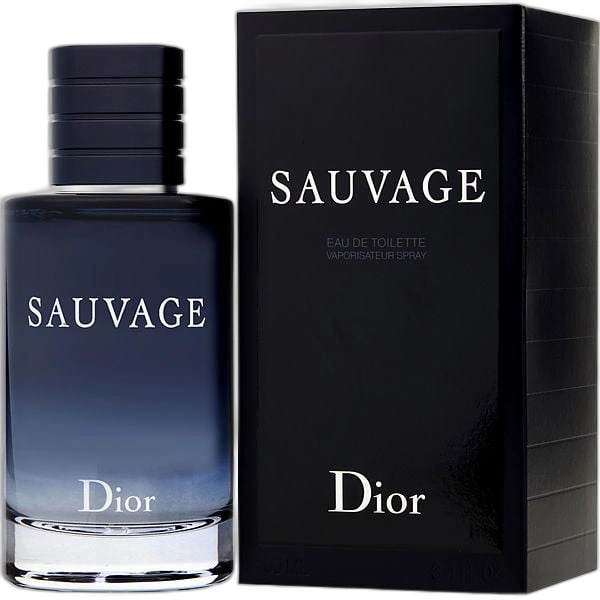
This is the biggest cost component for designer fragrances. That Johnny Depp Dior Sauvage commercial?
Industry estimates put celebrity fragrance campaigns at $5-30 million each. Retail counter space at department stores costs brands thousands per month.
Every full-page magazine ad, every sponsored Instagram post, every free sample at Sephora — it's all built into the price you pay.
Niche houses spend less on advertising but more on selective distribution, which has its own costs. The "discovery" experience of finding a niche fragrance at a specialty retailer is itself a marketing strategy that commands premium pricing.
Brand Premium (15-30%)
Chanel charges more than Versace partly because they're Chanel. The brand name carries perceived value — and to be fair, it often carries actual quality assurance, consistency, and a legacy of craftsmanship.
But you're paying for the name on the bottle as much as the liquid inside it.
Retailer and Distribution Margins (20-30%)
Department stores typically mark up 100% from wholesale. Online discounters work on thinner margins, which is why FragranceNet can sell a $100 fragrance for $55 — they're cutting the retail markup, not selling counterfeits.
When Affordable Fragrances Outperform Expensive Ones
Here are concrete examples where price does not predict performance:
JPG Scandal Pour Homme: Designer Quality at Budget Prices
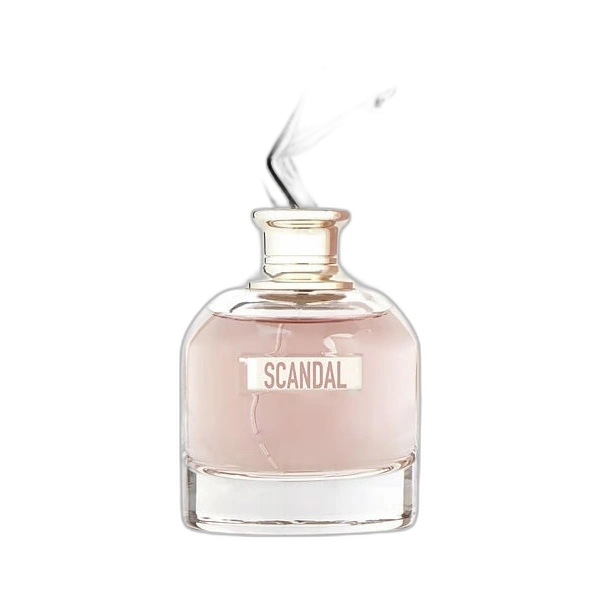
Jean Paul Gaultier Scandal Pour Homme EDT sits in the $$ price tier — you can find it for under $50 at discounters. It offers excellent longevity (8+ hours commonly reported), strong but not overwhelming projection, and a caramel-leather scent profile that's distinctive and well-blended.
In blind tests, many fragrance enthusiasts rate it comparably to fragrances costing 3-4 times as much.
Versace Dylan Purple: Mass Appeal at Mass Pricing
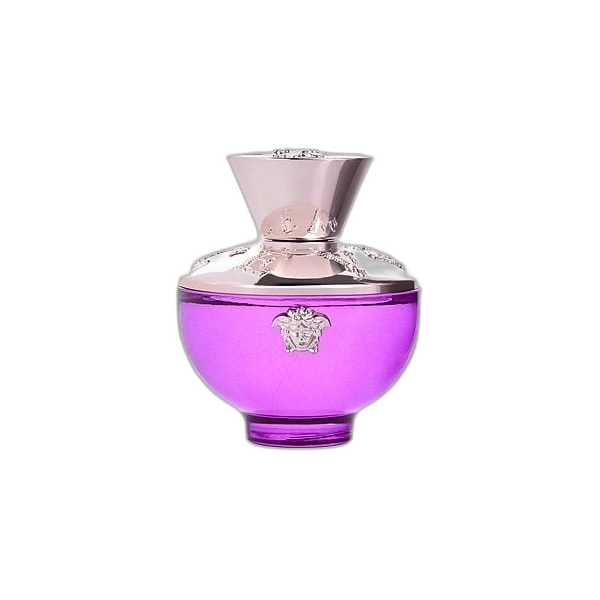
Versace Dylan Purple offers a sophisticated fruity-floral scent at the $$ tier. It performs well in all seasons, lasts 6-8 hours, and gets consistent compliments.
The quality of the composition — the way its bitter orange and woody-musk base interact — is genuinely impressive for the price. Put this in a niche bottle with a French name and it could sell for three times more.
JPG Le Male Elixir: Punching Up
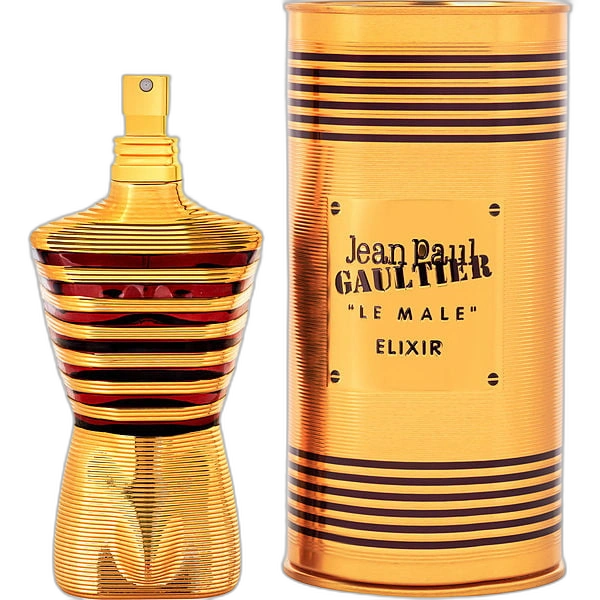
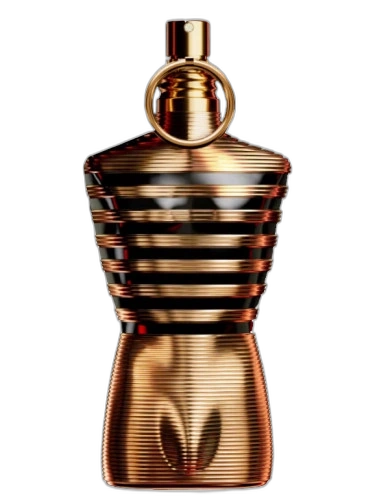
Jean Paul Gaultier Le Male Elixir sits at the $$ price point but delivers the kind of dense, complex sweetness that usually commands niche pricing. Its vanilla-lavender-tobacco combination is rich without being juvenile, and its longevity is genuinely impressive — 10+ hours is common.
At under $60 at most discounters, it outperforms many $150+ fragrances in raw quality and performance.
When Spending More Actually Makes Sense
Premium pricing isn't always a scam. Here's when the extra cost delivers real value:
Rare Natural Ingredients (Sometimes)
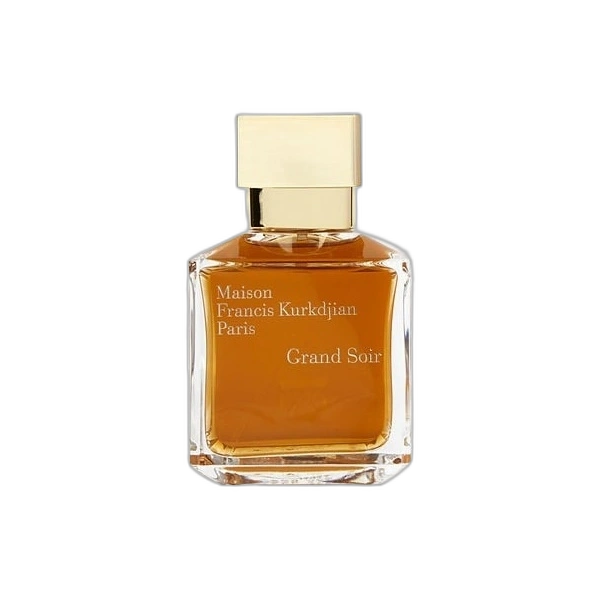
MFK Grand Soir at the $$$$$ tier uses high concentrations of natural amber, benzoin, and quality vanilla that create a depth and warmth difficult to achieve with cheaper synthetic alternatives. The difference is real — Grand Soir has a richness and evolution on skin that cheaper amber fragrances can't match.
Whether that difference justifies a 5x price premium is subjective, but the quality gap exists.
Artistic Complexity
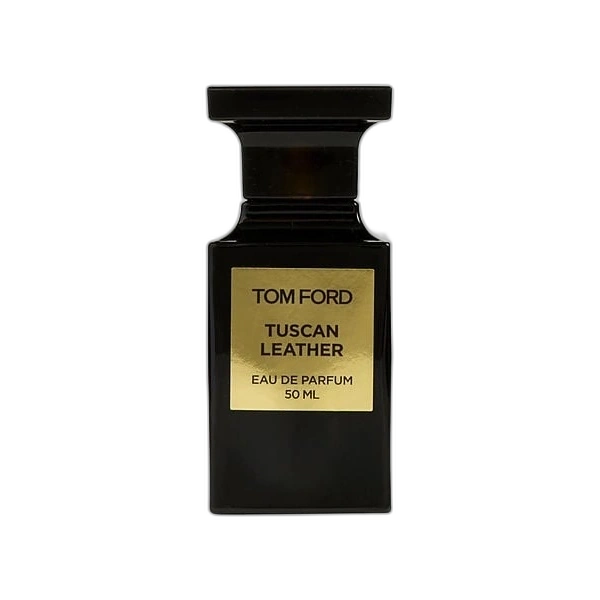
Some fragrances justify their price through sheer compositional ambition. Tom Ford Tuscan Leather at the $$$$ tier is a masterclass in leather fragrance — its raspberry-saffron-suede combination creates something that evolves for hours and never smells generic. The creative skill required to balance these notes is genuine craft, and you're partly paying for that artistry.
Creed Aventus: The Controversial Premium
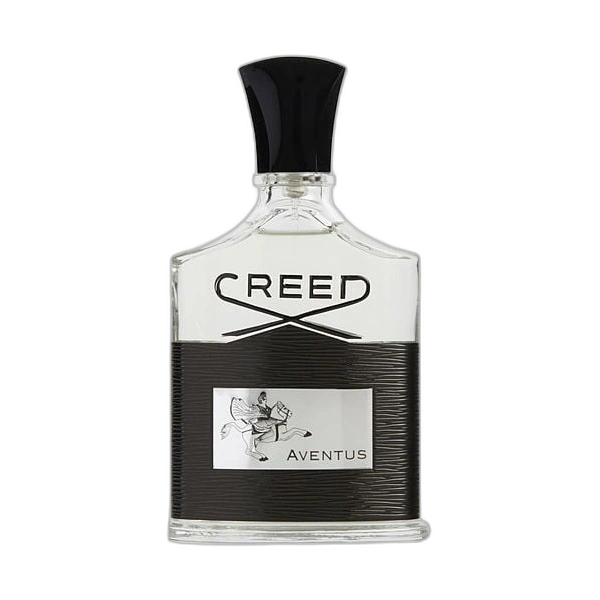
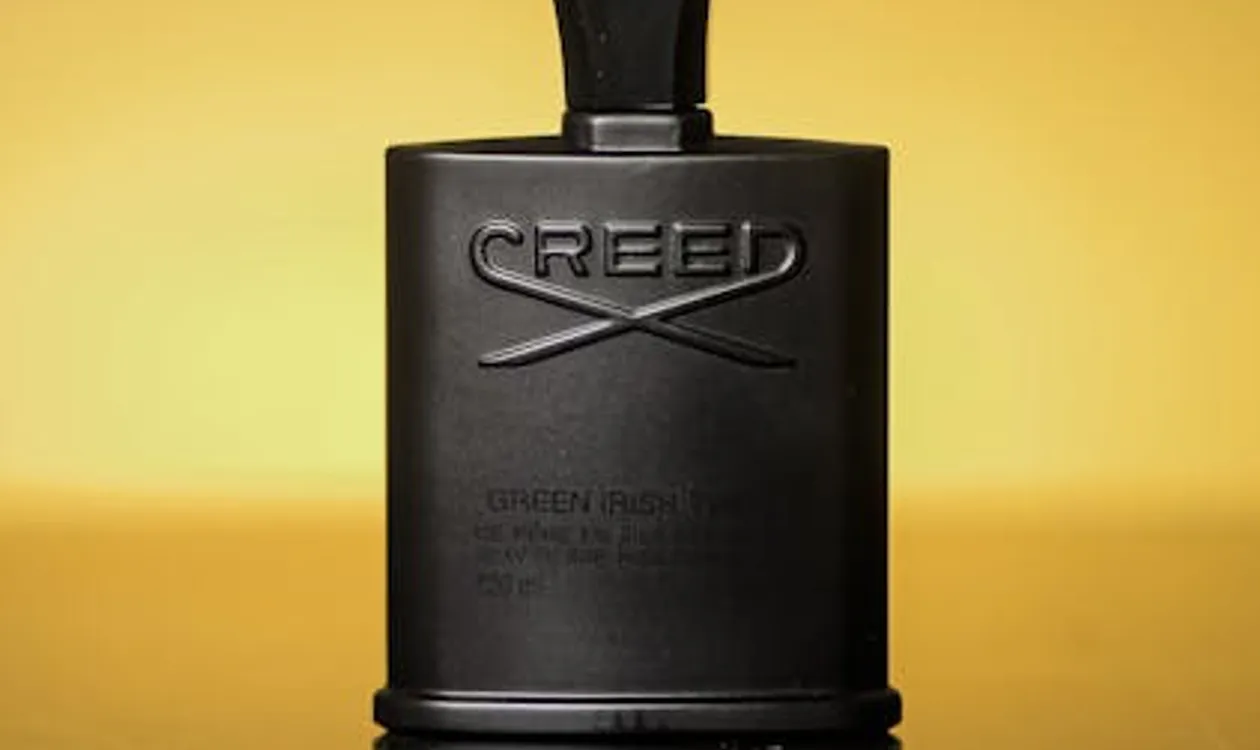
Creed Aventus at the $$$$$ tier is perhaps the most debated value proposition in fragrance. Its defenders argue that the birch-pineapple-ambergris combination is genuinely unique and that no clone or alternative truly replicates the experience.
Its critics point out that you're paying a massive brand premium for what is, chemically, a relatively straightforward composition.
The truth is somewhere in the middle. Aventus smells genuinely excellent, and it has an intangible "expensive" quality that cheaper alternatives miss.
But whether that quality gap justifies being 5-10x the price of a $30 designer is a question only your budget can answer.
Consistency and Quality Assurance
Established premium houses generally deliver more consistent batch-to-batch quality, better-sealed packaging that preserves the fragrance, and customer service if something is wrong. Budget designers occasionally have quality control issues — light batches, faster spoilage, or inconsistent formulations.
Paying more often means paying for reliability.
The $30-75 Sweet Spot
If we look at the data — community ratings, performance reviews, and satisfaction surveys across thousands of fragrances — there's a clear sweet spot between $30 and $75 where you get the best value per dollar spent.
In this range, you're past the genuinely cheap formulations that use low-quality materials and short-cut compositions. You're getting well-crafted fragrances from brands that can afford talented perfumers, decent ingredients, and proper quality control.
But you're not yet in the territory of diminishing returns where every additional dollar buys marginally less actual quality.
Fragrances in this range — your Versaces, your Armanis, your YSLs on discount — typically deliver:
- 6-10 hours of longevity
- Moderate, crowd-pleasing projection
- Well-balanced compositions by skilled perfumers
- Enough variety to cover different occasions and seasons
You could build an entire collection of 10 excellent fragrances for the price of one or two niche bottles. Whether that's a better use of your money depends on whether you value breadth or depth.
The Diminishing Returns Curve
Think of fragrance quality as a curve:
- $0-15: Significant quality differences with each dollar spent. Drugstore fragrances are noticeably cheaper than $30 designers.
- $15-50: Strong improvement curve. Each dollar adds noticeable quality in ingredients, complexity, and performance.
- $50-100: The improvement curve starts flattening. Differences become subtle rather than obvious. You're paying for refinement, not transformation.
- $100-200: Mostly flat. Improvements are in packaging, brand experience, and ingredient sourcing rather than perceivable scent quality. Some genuinely excellent compositions justify these prices; many don't.
- $200+: Almost entirely brand premium and luxury experience. The fragrance itself is rarely $200+ better than something at $75. You're paying for exclusivity, packaging, and the knowledge that not everyone is wearing the same thing.
A Practical Spending Strategy
Here's a framework for allocating your fragrance budget wisely:
Daily Drivers ($30-75 Each)
The fragrances you wear most often — to work, running errands, casual outings. These should be crowd-pleasers that you enjoy wearing without thinking about. Versace Dylan Purple, JPG Scandal Pour Homme, and JPG Le Male Elixir are examples.
You'll apply these 200+ times per bottle, so cost per wear is pennies.
Signature Splurges ($100-200 Each)
One or two special fragrances for important occasions, dates, or when you want to feel exceptional. This is where premium quality is most justified — you're creating memorable moments, not wearing a utility product. Tom Ford Tuscan Leather or MFK Grand Soir for evenings when it matters.
The Ceiling Test
Before buying any fragrance over $150, ask: "Can I identify what specifically makes this worth more than the $75 option?" If the answer involves the fragrance itself — unique ingredients, genuinely superior performance, a scent you can't get elsewhere — it may be worth it. If the answer involves the brand name, the bottle, or the Instagram cachet, you're paying for story, not substance.
Debunking the "Premium Ingredients" Myth
Marketing loves to emphasize rare, exotic, natural ingredients as justification for high prices. Let's address this directly:
- Natural doesn't mean better-smelling. Many synthetic aromachemicals smell identical to (or better than) their natural counterparts. Iso E Super and Ambroxan are synthetic molecules that define some of the world's most-loved fragrances. "All-natural" is a marketing claim, not a quality indicator.
- Real oud vs. synthetic oud: Most "oud" fragrances — even expensive ones — use synthetic oud substitutes (Javanol, Cashmeran blends). True oud oil is used in such tiny quantities that it barely affects cost. The "oud" you're smelling is almost always a synthetic interpretation.
- Ingredient cost is a tiny fraction of price. Even if a fragrance uses $20 of rare ingredients instead of $5 of common ones, that $15 difference doesn't justify a $200 price gap.
Building a Smart Collection
The smartest fragrance collections aren't the most expensive — they're the most intentional. Here's what a well-curated, budget-conscious collection looks like:
- One fresh/aquatic for summer: $30-50 range (Acqua Di Gio tier)
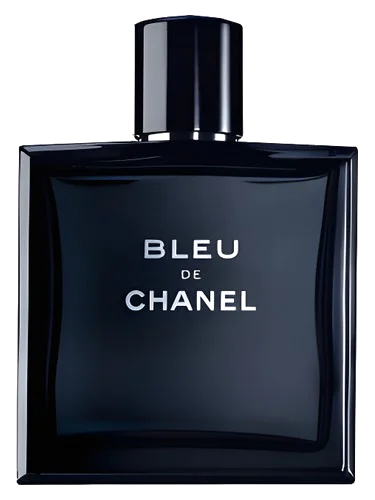
- One clean/versatile for work: $40-70 range (Bleu de Chanel tier)
- One warm/sweet for winter: $30-60 range (JPG Le Male Elixir tier)
- One special occasion fragrance: $80-200 (your splurge — make it count)
- One wildcard/personal favorite: Any price — the one that makes you happiest regardless of what anyone else thinks
Total cost: $200-430 for a complete, versatile collection. Compare that to a single bottle of Creed Aventus.
Price is information, not truth. A $300 fragrance tells you the brand thinks they can charge $300 — it doesn't tell you the fragrance is five times better than a $60 alternative.
Train your nose on affordable options first, learn what you actually like, and upgrade selectively once you can articulate exactly what you're paying for. The best fragrance in your collection won't necessarily be the most expensive one.
It'll be the one you reach for most often — and that's got nothing to do with price.