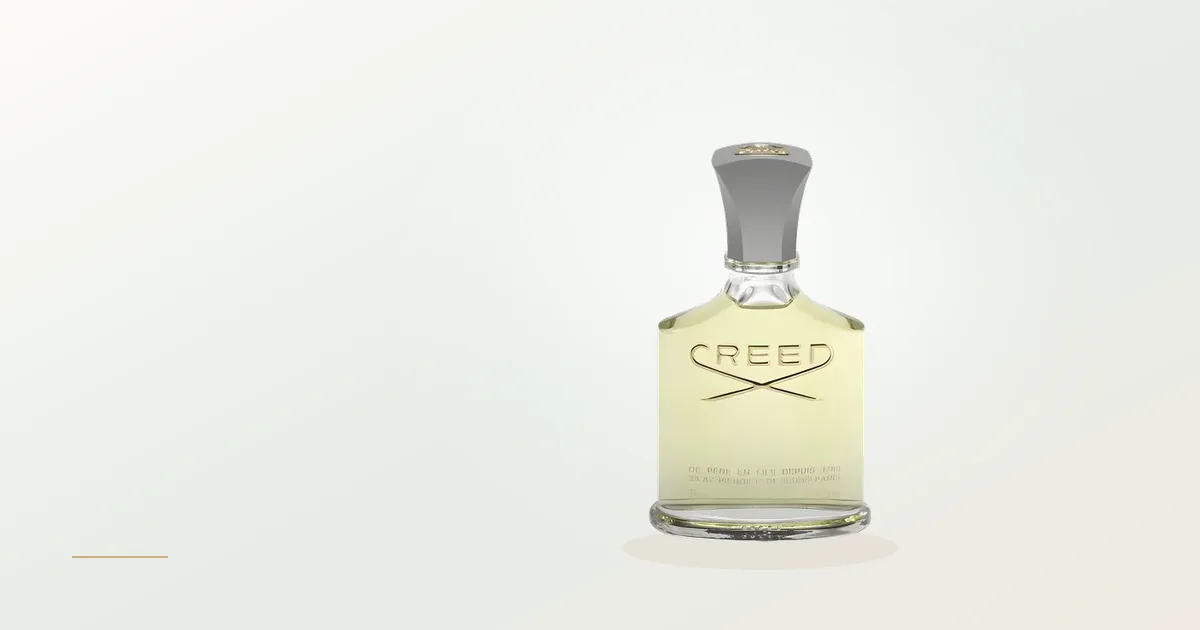
"Are clones as good as the originals?" gets answered as though it were a single question. It is not. It bundles together scent accuracy, longevity, projection, the quality of the blending, the first ten minutes, the bottle in your hand and what wearing it means to you — and clones perform very differently on each.
We hold 330 clone-to-original pairings with 322 written owner comparisons behind them, every one from someone who had worn both. Here is the scorecard, dimension by dimension.
The summary
| Dimension | Verdict |
|---|---|
| Scent accuracy (blind) | Much closer than expected |
| The first ten minutes | Clone loses, consistently |
| The drydown | Draw — they converge |
| Longevity | Dead heat, 27–27 |
| Projection | Mixed, slight edge to the original |
| Blending and complexity | Original wins |
| Bottle and atomiser | Original wins clearly |
| Consistency out of the box | Original wins |
| Price | Clone wins by an order of magnitude |
Where clones do best: blind
Fifteen of our comparisons describe an actual blind test — someone removing the labels, or a partner or colleague comparing without knowing which was which. These are the most valuable reports we hold, because they strip out the price knowledge that contaminates every other judgment.
The results are consistently better for the clone than the received wisdom predicts:
- Armaf Odyssey Mega vs YSL Y — an owner had his wife compare them. She picked the clone as the real one, and preferred it. He wears the original daily as his signature.
- Rayhaan Italia vs Xerjoff Naxos — in a three-person blind test, all three picked the clone over the original.
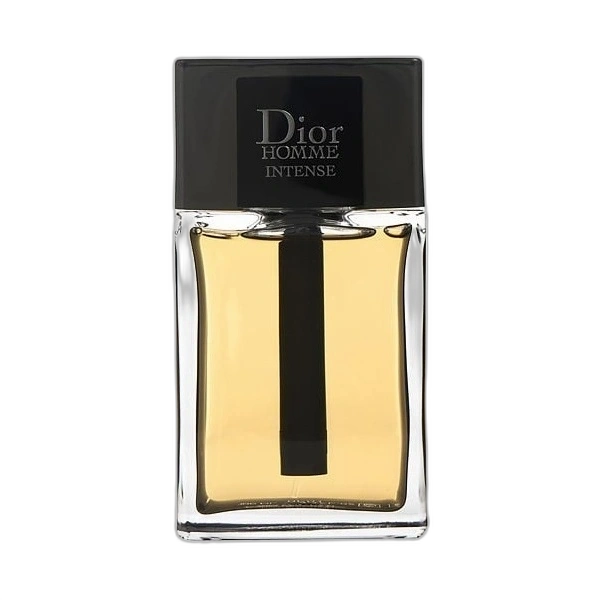
- Al Wataniah Kayaan Classic vs Dior Homme Intense — tested against a 2023 batch of the original, people kept mixing the two up.
- Maison Alhambra Flower Addiction vs Fleur Narcotique — one wearer put each on a different wrist and coworkers could not tell them apart.
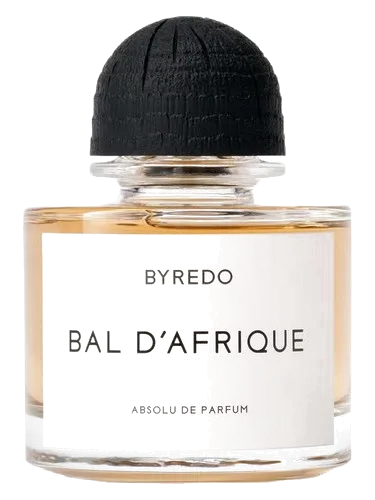
- The Dua Brand Paris 1920 vs Bal d'Afrique Absolu — an owner ran a blind test on his wife; she could not identify which was which.
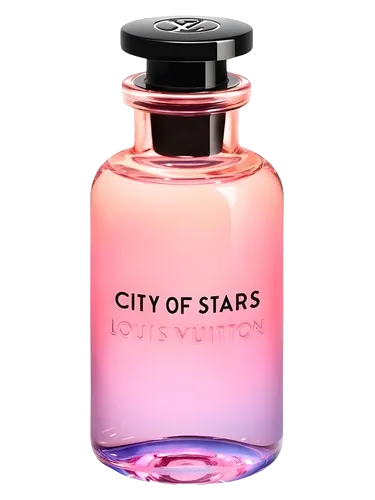
- Alexandria City of Angels vs LV City of Stars — scored 9.9 out of 10 blind against the original, and called the only true 1:1 in its field.
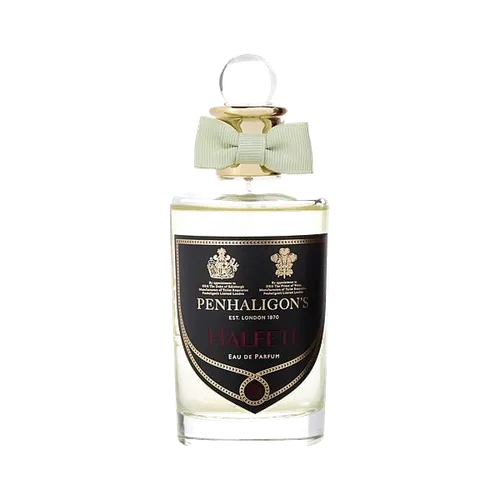
- Rayhaan Tiger vs Penhaligon's Halfeti — a Halfeti owner asked the wearer whether he had the real thing.
There are 35 such reports in total, and we went through all of them separately. Not every one goes this way, and we are reporting the ones where a test was actually run rather than a representative sample of all pairings. But the direction is clear enough to be worth stating: when people cannot see the label, they do much worse at telling them apart than they expect to.
The obvious inference is that a meaningful part of "the original is better" is knowing which one is the original.
Scent accuracy overall
Blind tests are the highlights. Across the full set the picture is more mixed, and we rate every pairing on how strongly wearers agree it is a genuine match:
| Agreement | Pairings | Share |
|---|---|---|
| High — owners of both consistently agree | 121 | 37% |
| Medium — recognisable, with real caveats | 167 | 51% |
| Low — contested or an "inspired by" | 42 | 13% |
So roughly a third of clones are close enough that people who own both agree. Half are recognisable but noticeably different. One in eight is not really the same fragrance at all. The category average is not the question — which specific bottle you buy is, and the spread between them is enormous.
Where clones lose worst: the opening
Forty-seven of our 322 comparisons describe a harsher, rougher, sharper or more synthetic opening on the clone. It is the single most common criticism in the entire set.
The reason is economic. Top notes lean on expensive naturals and high-grade synthetics, and they are the first thing a budget composition economises on. So the clone opens rough and settles closer to the target once that layer burns off.
Which is why the drydown is a much fairer fight. Twenty-two comparisons explicitly describe convergence — the two start apart and end up together. A Naxos clone is "95% Naxos" after fifteen minutes. A Do Son clone is "almost identical" by the one-hour mark. If you judge in the first ten minutes, you are judging the clone at its worst moment.
Longevity and projection
We classified every pairing where owners made a direct longevity comparison. The clone lasted longer in 27 and fell short in 27. A dead heat, which is not what the folklore says.
The predictor turns out not to be the clone house but the original: clones of famously weak performers routinely beat them, clones of powerhouses routinely do not. Full working in do clone perfumes last as long.
Projection is less even. Forty-three comparisons mention it, and the recurring failure mode is a clone that smells correct up close and does not carry — the composition is right, there is simply less of it in the air.
Where the original genuinely wins: the blending
This is the honest one, and it does not go the clone's way.
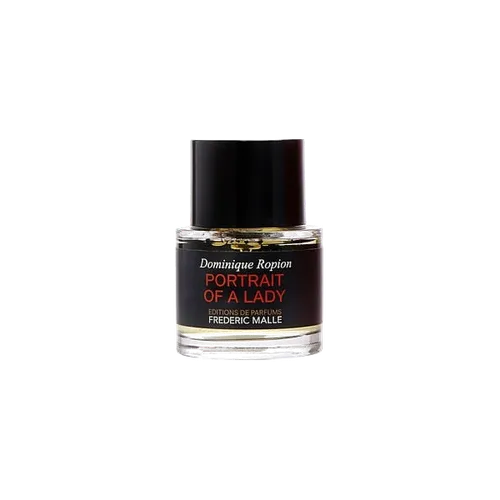
Seventeen comparisons describe the clone as less deep, less complex, thinner or more linear. The phrasing wearers reach for is telling. One describes an Initio clone as the difference between 4K and 1440p — the same image, less resolution. Another says a Portrait of a Lady clone is "simpler and much more powdery" where the original has "juicier rose and a greener, earthier patchouli."
That is what money buys in a fragrance: not a different smell, but more materials doing more work, and more perfumer time spent making them sit together. It shows most in complex niche compositions and barely at all in simple ones — which is why fresh and gourmand clones tend to satisfy while intricate florals and chypres disappoint.
And the bottle
Seventeen comparisons raise packaging or the atomiser, essentially always against the clone. Weak sprayers, inconsistent atomisation, cheap caps. One report on a clone that beat its original in a blind test still notes that "the atomiser is the one thing everybody complains about."
It sounds trivial and it is not: a poor sprayer wets the skin rather than misting it, which changes how the fragrance develops. And you handle the bottle every day. This is a real quality gap, and it is exactly where a cost saving would be expected to land.
The exceptions get noticed precisely because they are exceptions — the Alexandria City of Stars clone is singled out for a pressurised atomiser that "outclasses the rest of the field."
So — are they as good?
On smell, more often than people expect. A third are close enough that owners of both agree, and blind tests go the clone's way surprisingly often.
On performance, it is a coin flip, and which way it lands depends on the original rather than the clone.
On craft and presentation, no. The opening is rougher, the blending is simpler, the sprayer is worse. These are consistent and they are the price you pay. Which bottles are worth paying it for is a separate question — here is when we would splurge and when we would not.
The useful reframing is that "as good" was never the right test. A clone at a tenth of the price does not need to be as good; it needs to be good enough at the things you personally care about. If you want a specific smell on your skin, clones deliver that far more often than their reputation suggests. If you want the object, the ritual and the polish of a luxury product, a clone will not give you any of it and is not trying to.
What matters most is that the variance between individual clones dwarfs the average difference between clones and originals. Pick well and you get 95%. Pick badly and you get a different fragrance with a familiar name on the marketing.
Start from the original you actually want: the A–Z dupe index. Or see which houses land it most often in the clone houses ranked.