Buying a fragrance you've never smelled is one of the most common things people do in the hobby — and one of the riskiest. A full bottle is $50-300+ and you can't return a used fragrance to most retailers. If the bottle you are considering is a clone, two things de-risk it enormously: check whether anyone has blind-tested it, and buy from a seller you can verify. If you are on the other side of that transaction, the rules on reselling are narrower than most sellers assume.
Yet blind buying keeps happening because sometimes you can't get to a store, the fragrance isn't stocked locally, or you're just impatient.
The good news: blind buying isn't pure gambling. With the right approach, you can dramatically increase your hit rate.
Here's how to make informed decisions when your nose can't participate.
Why People Blind Buy (And Why It's Risky)
Before diving into strategy, let's be honest about what you're doing. Fragrance is an inherently subjective, physical experience.
Reading about how a perfume smells is like reading about how a meal tastes — you get the concept, but you miss the experience entirely.
People blind buy for several reasons:
- Availability: Many niche and limited-edition fragrances aren't stocked at local retailers
- Online deals: Discounters offer 30-50% off retail, but don't offer testers
- Hype and excitement: You've watched 15 YouTube reviews and you're convinced you'll love it
- Geography: Not everyone lives near a Sephora, Nordstrom, or niche fragrance boutique
The risk is real, though. Studies suggest that even among popular, highly-rated fragrances, individual satisfaction rates hover around 60-70%.
That means even the "safest" blind buy has a roughly 1-in-3 chance of disappointing you. The strategies below push that number in your favor.
How to Read a Note Pyramid (And What It Actually Tells You)
Every fragrance listing shows a note pyramid — top, heart, and base notes. Understanding what this tells you (and what it doesn't) is the foundation of informed blind buying.
What Notes Tell You
Notes describe the ingredients or impressions the perfumer used. They give you a general direction:
- Citrus top notes (bergamot, lemon, grapefruit): Expect a fresh, sharp opening
- Floral heart notes (rose, jasmine, iris): The middle will be soft and feminine
- Woody base notes (sandalwood, cedar, vetiver): The dry-down will be warm and grounding
- Gourmand notes (vanilla, caramel, praline): Expect sweetness in the base
What Notes Don't Tell You
Notes are not a recipe — they're a marketing description. Two fragrances can list identical notes and smell completely different because:
- Proportions matter enormously: A fragrance with "bergamot, rose, and oud" could be 80% bergamot with a hint of oud, or 80% oud with a hint of bergamot. The note list doesn't tell you which.
- Synthetic molecules aren't listed: Most modern fragrances rely heavily on synthetic aromachemicals (Ambroxan, Iso E Super, Cashmeran) that don't appear in note pyramids. These synthetics often define the character more than the natural notes listed.
- Quality varies: "Vanilla" can mean rich, dark Madagascan vanilla extract or a cheap synthetic vanillin. The note list doesn't distinguish.
Understanding Accords: The Better Indicator
If notes are ingredients, accords are the dish. An accord is the overall impression created by multiple notes working together.
Common accords include:
- Aromatic: Herbal, slightly medicinal (lavender, sage, rosemary)
- Aquatic: Fresh, watery, oceanic (Calone, sea salt, marine notes)
- Woody: Warm, dry, grounding (cedar, sandalwood, vetiver)
- Oriental/Amber: Sweet, warm, resinous (amber, vanilla, benzoin)
- Chypre: Sophisticated, mossy, complex (bergamot, oakmoss, patchouli)
- Fougere: Barbershop-clean, herbal-woody (lavender, coumarin, oakmoss)
When blind buying, knowing which accords you consistently enjoy is more predictive than individual notes. If you love every aquatic fragrance you've tried, a new aquatic release is a safer blind buy than a gourmand — regardless of the specific notes listed.
Using Community Ratings and Reviews Effectively
Online reviews are your nose's substitute when blind buying. But not all review sources are equally useful:
What to Trust
- Consensus across multiple platforms: If a fragrance is highly rated on Fragrantica, Parfumo, and multiple YouTube channels, the positive reception is probably genuine
- Specific comparisons: Reviews that say "this smells like X but with more Y" are actionable if you know X
- Negative reviews that match your dislikes: If someone says "too sweet" and you hate sweet fragrances, that's useful data even if the overall rating is high
- Season and occasion recommendations: Community data on when and where a fragrance works best is remarkably accurate in aggregate
What to Discount
- Hype-cycle reviews: New releases get inflated ratings for the first 6-12 months. Wait for the excitement to die down before trusting consensus scores.
- Influencer reviews of free samples: People rate things more positively when they didn't pay for them. This is human nature, not dishonesty — but it skews perception.
- Single reviews, no matter how detailed: One person's skin chemistry, preferences, and expectations are too specific to generalize from
- "Compliment getter" claims: These are unfalsifiable and often exaggerated. A fragrance doesn't generate compliments — confidence does.
What Makes a "Safe" Blind Buy?
Certain fragrances have earned reputations as safe blind buys — not because everyone loves them, but because they have the highest statistical probability of being liked. They share common traits:
Crowd-Pleaser Characteristics
- High average ratings with high vote counts: A 4.2/5 rating with 10,000 votes is more reliable than a 4.8/5 with 50 votes
- Moderate, balanced profiles: Fragrances that avoid extremes (not too sweet, not too sharp, not too smoky) please the widest audience
- Proven longevity and performance: Nothing kills a blind buy faster than a fragrance that disappears in an hour
- Year-round versatility: Fragrances that work across seasons have more opportunities to justify their cost
Popular Safe Blind Buys
These fragrances consistently rank as the highest-satisfaction blind purchases in community polls:
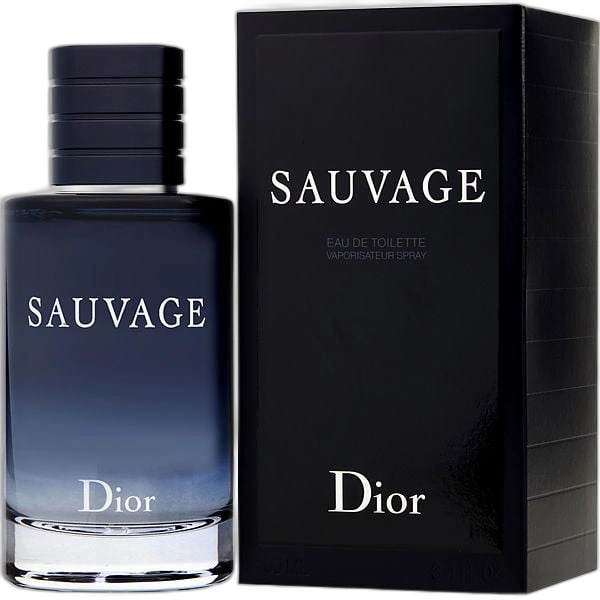
Dior Sauvage EDT — The most-sold men's fragrance in the world for several years running. It's popular precisely because it offends almost nobody.
The pepper, bergamot, and Ambroxan combination is clean, fresh, and universally palatable. It's not the most creative fragrance, but as a blind buy it has possibly the lowest regret rate in the industry.
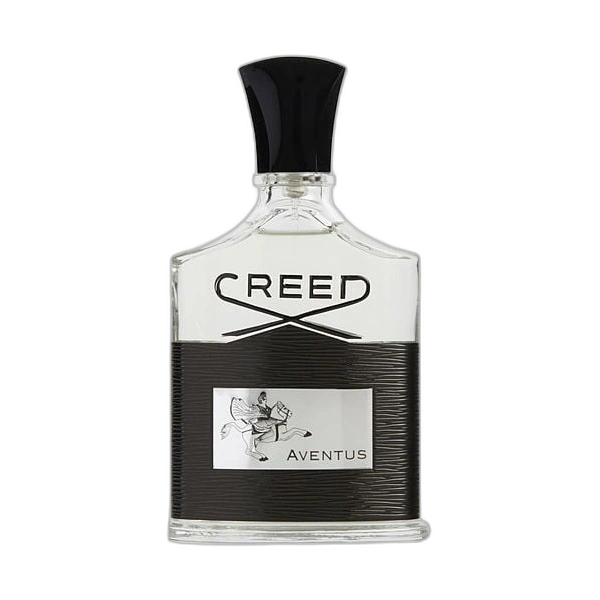
Creed Aventus — The most hyped men's fragrance of the last decade, Aventus has a passionate fanbase for a reason. Its pineapple-birch-musk profile is distinctive but not polarizing.
The main risk isn't disliking the scent — it's the price. At the $$$$$ tier, the bar for satisfaction is understandably higher.
If budget isn't a concern, it's one of the safest blind buys in its category.
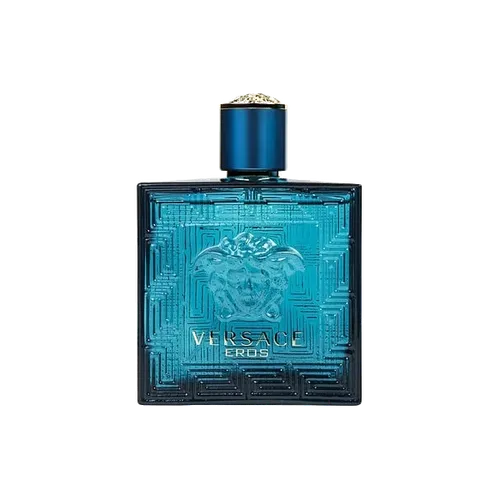
Versace Eros Parfum — The Parfum concentration smooths out the original Eros's aggressive sweetness into something richer and more wearable. Mint, vanilla, and tonka bean create a sweet-fresh combination that reads as confident without being cloying.
At a moderate price point, the risk-reward ratio is excellent.
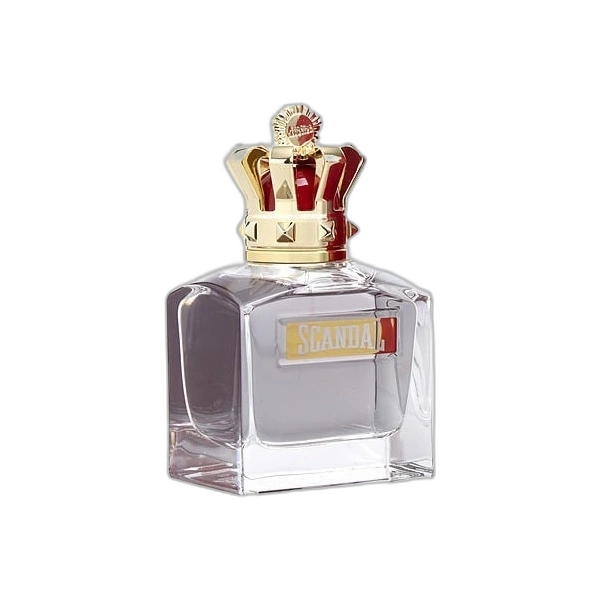
JPG Scandal Pour Homme EDT — Caramel and leather with a clean finish. It's sweet enough to be interesting but grounded enough to be wearable.
At the $$ price tier, even if you only somewhat like it, you haven't lost much. Low risk, genuinely good reward.
YSL Y EDP — Fresh, woody, and slightly sweet with excellent performance. Y EDP sits in a safe middle ground that works for virtually any occasion.
It's the kind of fragrance that rarely gets a "love it" reaction but almost never gets a "hate it" one — which is exactly what you want from a blind buy.
The Sample-First Strategy (Best Practice)
The smartest blind buyers aren't actually buying blind — they're sampling first. Here's how to make this practical:
Decant and Sample Services
Multiple online retailers sell 2-5ml sample vials for $3-15 each. This lets you wear a fragrance for several days before committing to a full bottle.
Popular decant sources include MicroPerfumes, DecantX, and Surrender to Chance. For $30-40 in samples, you can test 5-8 fragrances that would cost $500+ in full bottles.
Brand Discovery Sets
Many brands sell official discovery sets with 5-10 miniatures for a fixed price, often with credit toward a full bottle. Chanel, Dior, Tom Ford, and MFK all offer these.
They're the most cost-effective way to explore a brand.
Retailer Samples
Sephora provides up to 3 free samples per visit. Nordstrom is famously generous with samples.
Even if you plan to buy online at a discount, sampling at retail is legitimate — retailers know some customers buy elsewhere and consider it a cost of doing business.
Understanding Return Policies
If you do buy blind, know your options if it doesn't work out:
- Sephora: Accepts returns of gently used fragrances within 30 days with receipt
- Nordstrom: Famously liberal return policy, though they've tightened it in recent years
- Online discounters (FragranceNet, FragranceX): Generally do not accept returns on used fragrances — this is the trade-off for their lower prices
- Amazon: Return policies vary by seller. "Fulfilled by Amazon" purchases are generally returnable; third-party sellers may not accept returns
- Resale: If all else fails, r/fragranceswap and similar communities let you sell unwanted bottles at a loss — better than having a $150 bottle gather dust
The Blind Buy Decision Framework
Before clicking "buy" on a fragrance you've never smelled, run through this checklist:
- Have I tried at least 3 fragrances in this scent family and liked them all? If yes, proceed. If no, sample first.
- Is the consensus rating above 4.0 with more than 1,000 votes? High ratings with high vote counts reduce risk.
- Have I read at least 5 negative reviews and found their complaints irrelevant to my preferences? Negative reviews are more useful than positive ones for predicting personal satisfaction.
- Is the price within my "no regret" range? This varies by person, but ask yourself: if I dislike this, will I be annoyed or actually upset? If upset, sample instead.
- Could I sample this fragrance for under $10? If a sample exists and costs less than 10% of the full bottle, there's no rational reason to skip it.
- Am I buying because of genuine interest, or because of hype/FOMO/a sale deadline? Urgency is the enemy of good blind-buy decisions.
If you pass all six checks, your blind buy has a much higher chance of success. If you fail two or more, step back and sample first.
When Blind Buying Actually Makes Sense
Despite everything above, there are scenarios where buying without smelling is rational:
- Extreme discounts: If a $120 fragrance is on sale for $35 and you're confident in the scent family, the downside is limited
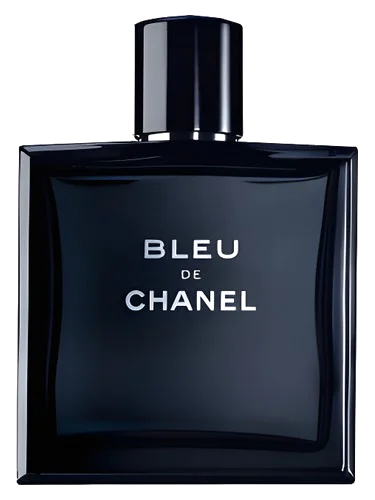
- Flankers of fragrances you love: If you adore Bleu de Chanel EDT, the Parfum is a reasonably safe blind buy because you already know you like the DNA
- Replacement bottles: You've finished a bottle and want to restock at the best price. This isn't really "blind" — it's informed repurchasing.
- Well-documented crowd-pleasers at affordable prices: A $30 JPG Scandal Pour Homme or Versace Eros Parfum at discount is low enough risk that sampling first might cost nearly as much
Blind buying is part of the fragrance hobby, and there's a genuine thrill in opening a box and discovering something great. But treat it as calculated risk, not impulse shopping.
Use note pyramids and accords as directional guides, lean heavily on consensus data from experienced reviewers, sample whenever feasible, and keep your "blind buy budget" separate from your "sure thing" budget. The best blind buy isn't the one that turns out to be amazing — it's the one you made with enough information that you'd be comfortable with any outcome.