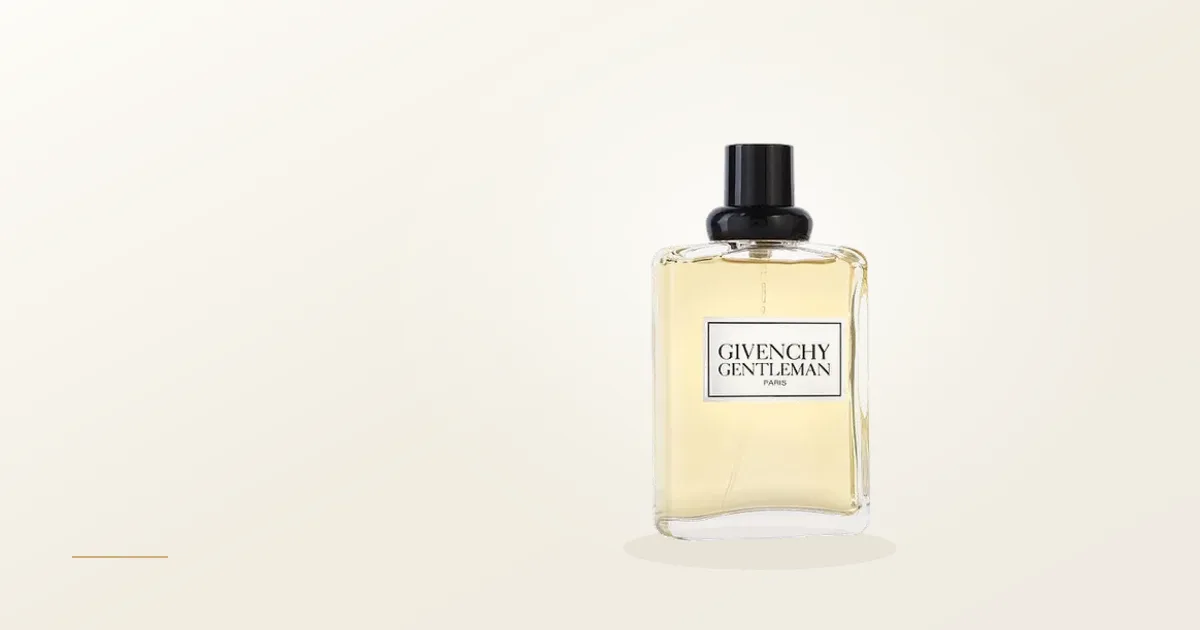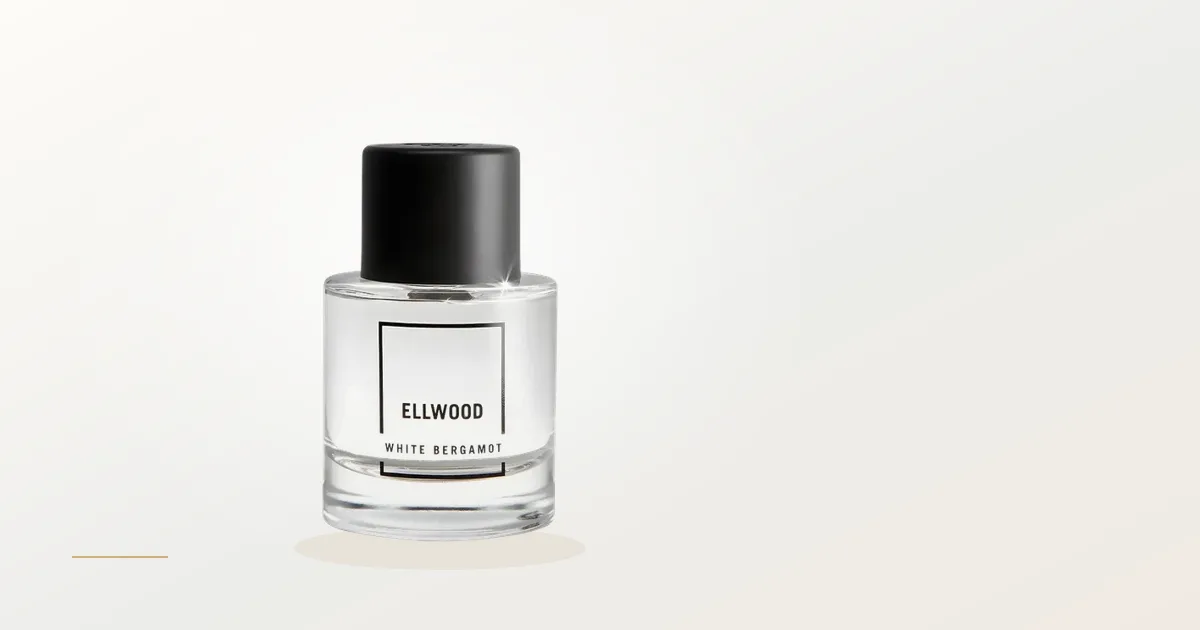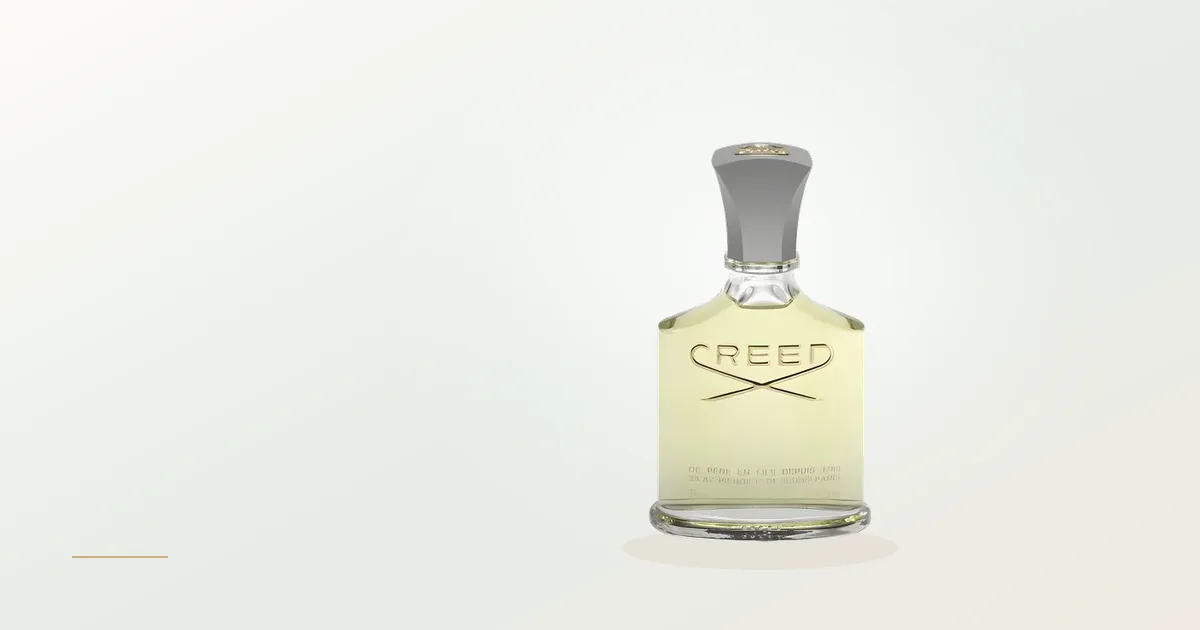
The assumption is usually that clone houses have a secret — a leaked formula, a defecting perfumer, an inside line at the factory.
The reality is more mundane and more interesting. The analysis is routine science available to any lab. The difficulty is everything that comes after it, and understanding that difficulty explains every characteristic flaw a clone has.
Step one: the machine does the easy part
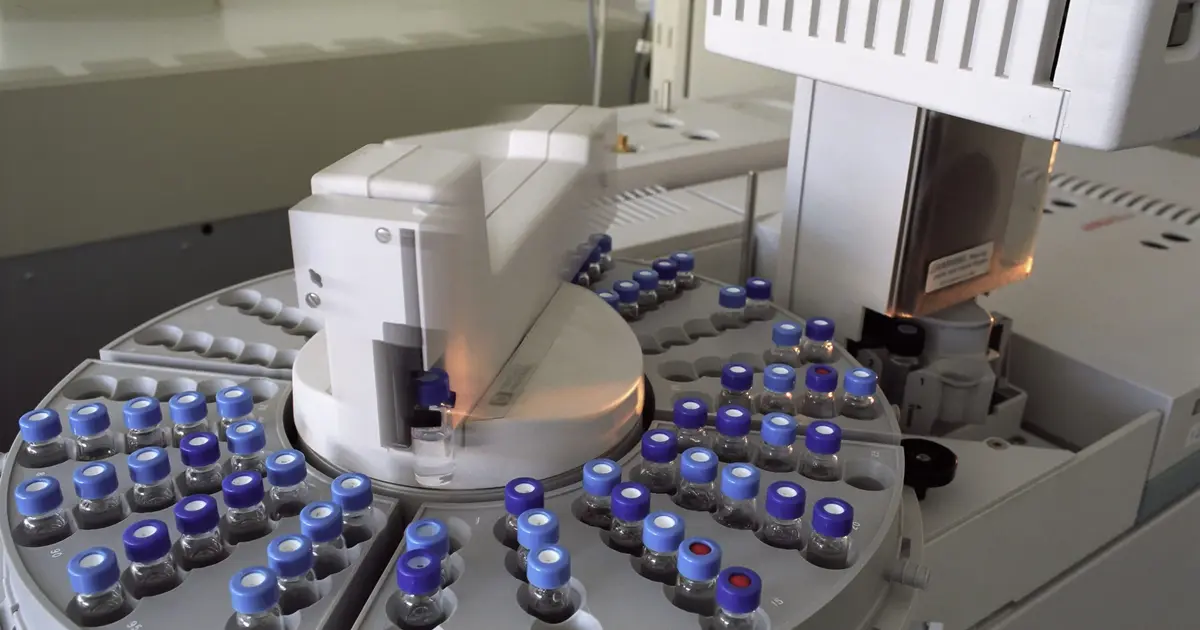
The tool is gas chromatography–mass spectrometry, and it is standard analytical equipment found in food-safety labs, forensics and quality control everywhere.
The fragrance is vaporised and pushed through a long column. Different compounds travel at different speeds, so they emerge separated in time — that is the chromatography. Each one then enters a mass spectrometer, which fragments it and measures the pieces, producing a signature that identifies the compound against a reference library.
The output is a list: which compounds are present, and roughly how much of each. For a fragrance this typically means dozens of identified materials with approximate proportions, produced in an afternoon.
This is why formulas cannot be protected. A trade secret stops someone stealing your recipe; it cannot stop someone measuring your finished product. Patents cover individual novel molecules, but the overwhelming majority of materials in any fragrance are decades old and sold openly. That combination is the whole legal foundation of the industry — the smell was never owned by anyone.
Step two: why the readout is not a recipe
Here is where it stops being easy, and every one of these problems shows up later as a flaw you can smell.
Naturals are not single compounds. Real jasmine absolute contains hundreds of trace materials. GC-MS sees a crowd of small peaks and cannot always tell you they add up to jasmine, still less which grade or which harvest. Naturals are where a fragrance's texture and roundness live, and they are precisely what the analysis reproduces worst.
Trace materials matter more than their quantity suggests. A compound at 0.01% can define a fragrance's character. Some sit at or below the detection threshold, and a perfumer reading the printout has no way to know which barely-visible peak is load-bearing.
Proportions are approximate. Different compounds ionise with different efficiency, so peak size is not directly proportional to quantity. Getting from "roughly this much" to "exactly this much" is iterative guesswork.
Order and process are invisible. How materials were combined, what was pre-blended, how long the compound was aged — none of it survives into the readout.
Step three: a person closes the gap
So a perfumer takes the analysis as a starting point and works by nose, mixing a trial, comparing it to the original, adjusting, and repeating. Dozens of iterations. This is real perfumery skill, and it is why clone quality varies so much between houses making the same target — French Avenue lands two thirds of its attempts where others land a third.
And at each iteration there is a commercial decision: how close is close enough for the price? That question, answered a few dozen times, produces the finished bottle.
Which is why clones fail in the same four ways
The characteristic weaknesses in our data are not random. Each traces directly to a step above.
| What owners report | Of 322 comparisons | Where it comes from |
|---|---|---|
| Harsher, more synthetic opening | 47 | Top notes lean hardest on costly naturals — the first thing substituted |
| Projection differs, not scent | 43 | Concentration cut to hit the price; the blend is right, the dose is not |
| Runs sweeter | 34 | Cheap, tenacious gourmand materials used to add body and staying power |
| Less depth or complexity | 17 | Trace materials lost or deliberately dropped — fewer things doing work |
The "4K versus 1440p" description one reviewer used is exactly right: the same image, fewer pixels. Not a different fragrance — a lower-resolution rendering of the same one. That is the signature of a good reconstruction built from a readout with gaps.
It also explains the most encouraging pattern in the data. Twenty-two of our comparisons describe the two fragrances converging after the opening: a Naxos clone is "95% Naxos" after fifteen minutes, a Do Son clone "almost identical" by the one-hour mark. The base was reconstructed well; the expensive top was not. Judge a clone in its first ten minutes and you are judging the one part it could not afford.
The shortcut nobody talks about
There is an easier route than analysis, and it is widely suspected to be common: buy the base from the same supplier.
Fragrance houses do not synthesise their own materials. They buy from Givaudan, dsm-firmenich, IFF and Symrise, who also sell pre-made accords and bases — building blocks that already smell like leather, or oud, or a specific fruity-floral. Those suppliers sell to anyone.
If a clone house buys the same commercial base that underpins a designer fragrance, it starts far closer than reverse-engineering would put it, having skipped most of the hard work. This is not proven for any particular bottle, but it fits the evidence — especially cases where a clone is described as indistinguishable in the drydown while differing sharply on top. And it is the same fact that makes the safety question mostly answer itself: shared suppliers, shared materials.
Step four: filling, and the bit that is skipped
Manufacture is straightforward — dissolve the compound in ethanol, filter, chill-filter, fill. The step that gets compressed is maceration: the weeks or months during which the mixture settles and integrates.
Designer bottles macerate incidentally, in warehouses and on shelves, over months of distribution. Clone houses ship fast, so a bottle can reach you weeks after it was mixed, before it has become what it was formulated to be. That single scheduling difference is behind a large share of bad first impressions — one clone in our data arrived as a "gasoline blast" and needed nearly six months to settle.
There is a category this whole process never touches: single-note fragrances. A soliflore has an ingredient rather than a signature, so nobody could confirm a copy even if one existed, and no house bothers. Chloé Atelier des Fleurs is the clearest example — eighteen bottles, zero clones.
The short version
Dupes are made by measuring the original with equipment any lab has, then having a perfumer close the gap by nose. The measurement is cheap and legal. The gap-closing is skilled, iterative and expensive, which is where houses separate.
Every clone flaw you can name is a decision made during that gap-closing: cheaper naturals up top, less concentrate, sweet materials doing structural work. Knowing that, you can predict which clones will disappoint before you buy — the complex, natural-heavy, citrus-led originals are the hard ones, and heavy gourmands and ouds are where clones win.
Related reading
- How to find the dupe of any fragrance — the research method, from the other side.
- Why dupes are so much cheaper — where the money actually goes.
- Are clones as good as the originals?