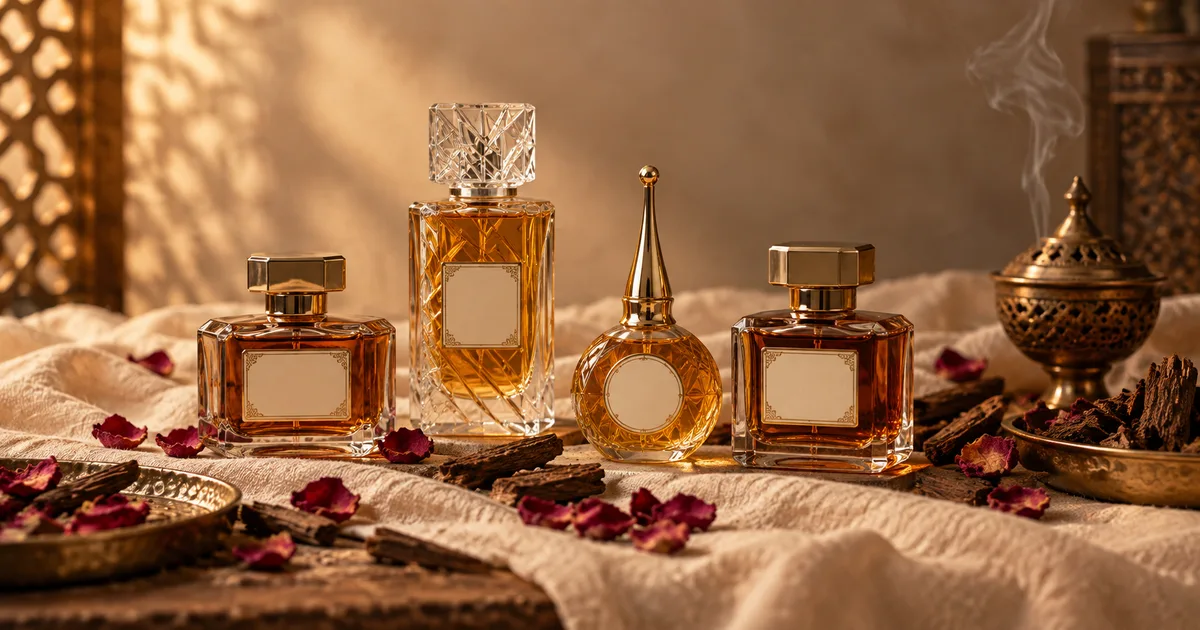
What Makes Arabic Perfumes Different?
Arabic perfumery is a completely different tradition from Western fragrance — older than most of the houses it now gets compared to, and good for structural reasons rather than lucky ones. The houses range from originators to near-pure reproduction operations, and the naming conventions tell you which is which. Where European perfumes tend to prioritize subtlety and blending, Middle Eastern fragrances embrace boldness, richness, and depth. Oud, amber, musk, rose, and saffron are the building blocks. The scents are designed to last — many Arabic perfumes will still be detectable on your skin 12+ hours later.
The other difference is price. While Western niche brands charge $200-$400 per bottle, Arabic fragrance houses routinely deliver similar quality for $20-$60. Brands like Lattafa, Al Haramain, Swiss Arabian, and Afnan have made luxury accessible.
For Beginners: Easy Entry Points
If you have never worn an Arabic fragrance, start with these. They bridge the gap between Western and Middle Eastern styles:
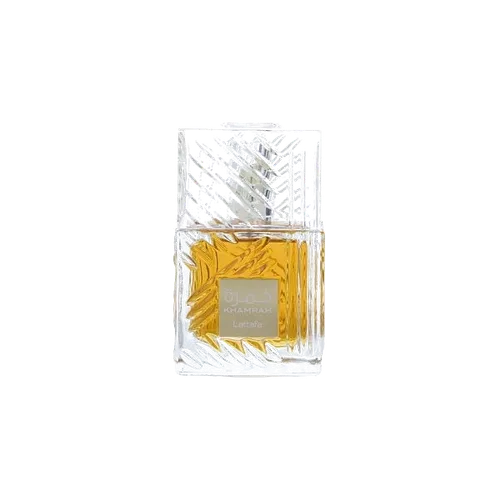
Lattafa Khamrah (8.4/10) is sweet, spicy, and crowd-pleasing. Cinnamon, vanilla, and amber create something that feels familiar but more interesting than a typical designer fragrance. This is the gateway drug of Arabic perfumery.
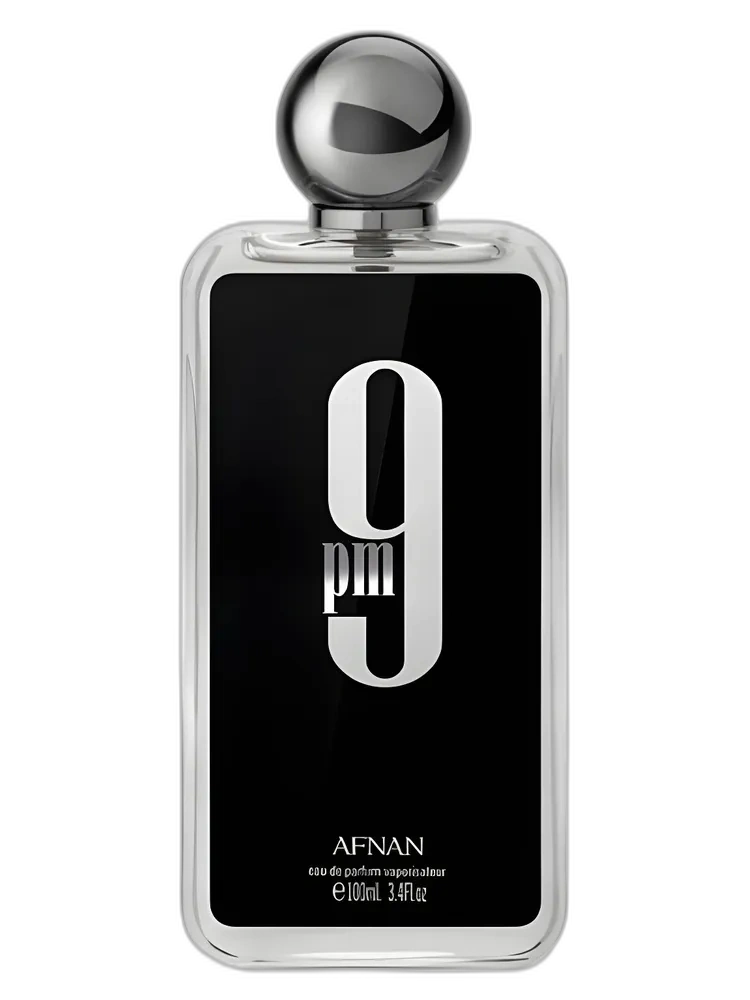
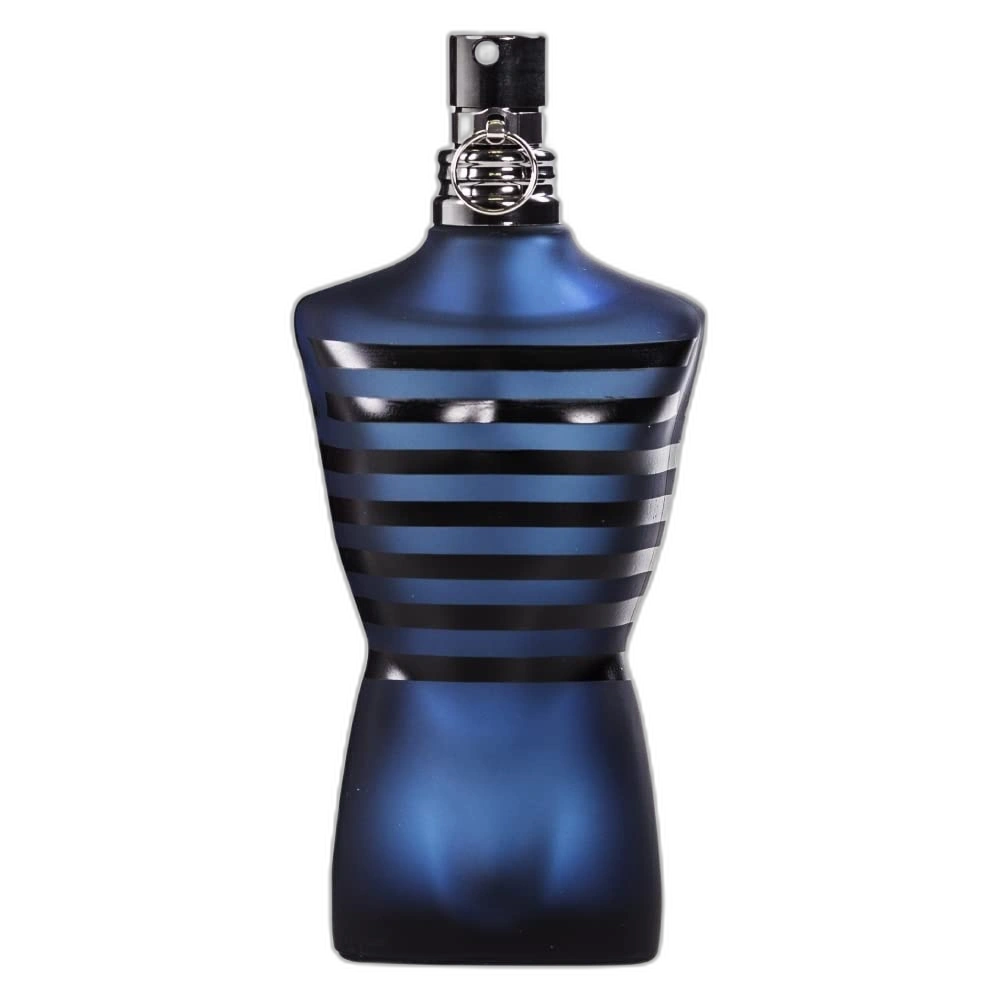
Afnan 9PM (7.6/10) is basically a party fragrance with Middle Eastern DNA. Sweet, fruity, and loud — if you like Jean Paul Gaultier Ultra Male, you will love this at a fraction of the price.
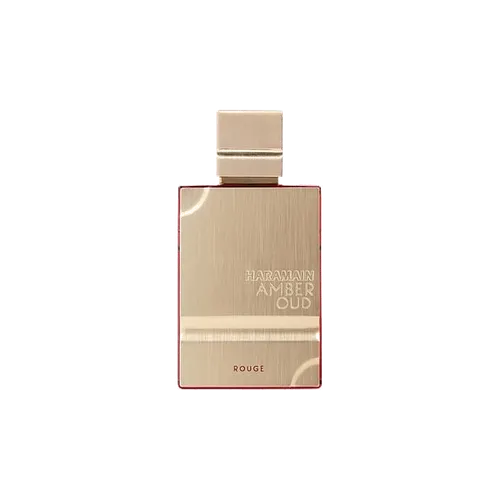
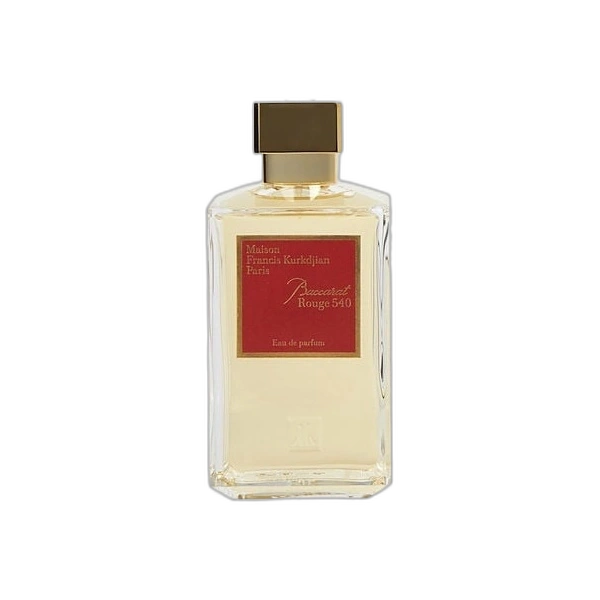
Al Haramain Amber Oud Rouge (8.9/10) is the best-known Arabic fragrance on the market. It is an alternative to MFK Baccarat Rouge 540, and many people actually prefer it to the original. Sweet amber, saffron, and a crystal-like quality.
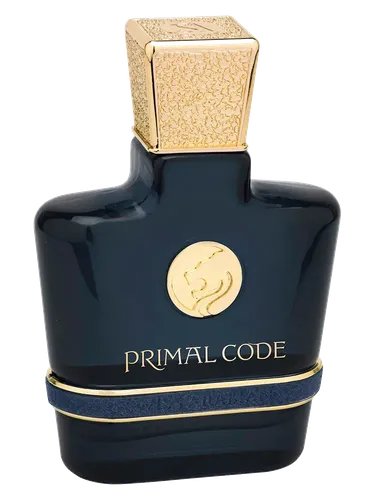
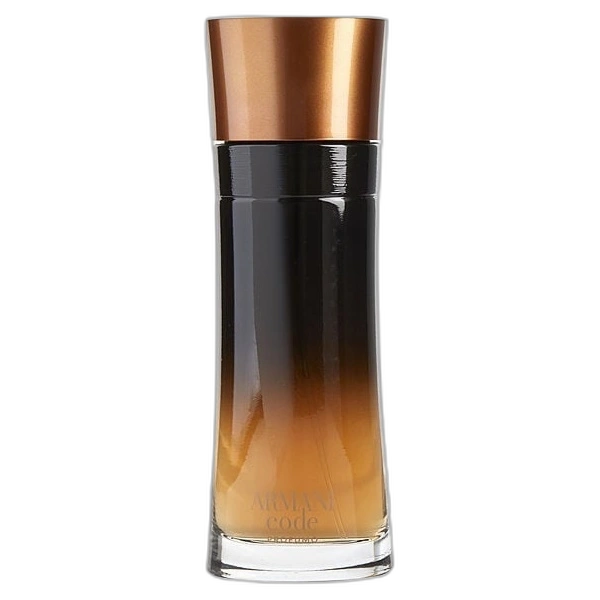
Swiss Arabian Primal Code (8.3/10) takes on Armani Code Profumo. If you like mainstream designer fragrances but want better value, this is a great starting point.
The Oud Experience
Oud is the signature note of Arabic perfumery. It comes from agarwood — a resinous wood produced when certain trees become infected with mold. Real oud is one of the most expensive raw materials in perfumery. Here are the best oud fragrances for different comfort levels:
Gentle oud (for beginners):
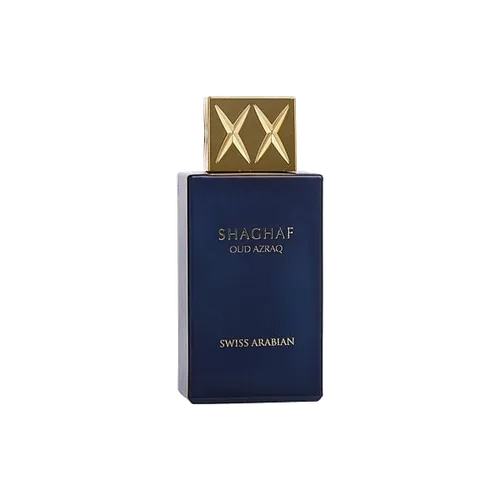
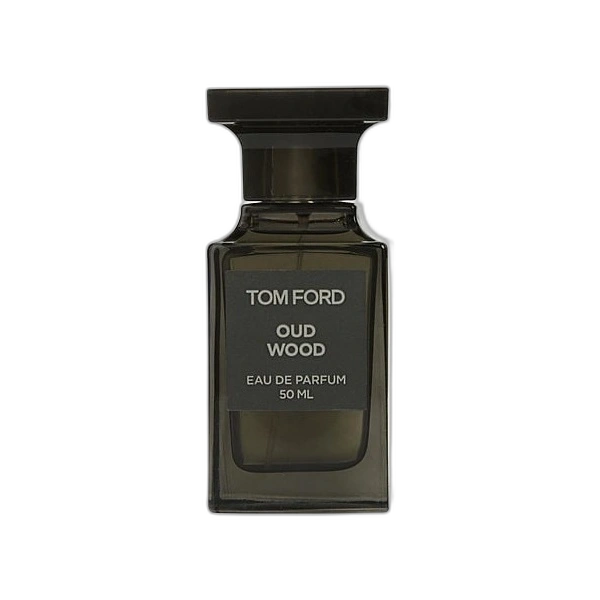
Swiss Arabian Shaghaf Oud Azraq (8.8/10) is smooth, woody, and not at all aggressive. It is inspired by Tom Ford Oud Wood and makes oud approachable.
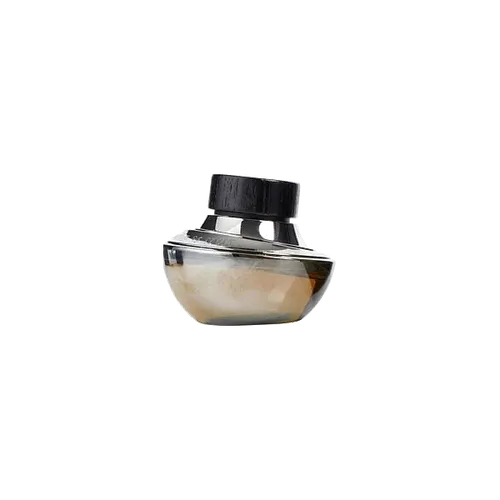
Al Haramain Oudh 36 Nuit (8.9/10) is rich and complex but never harsh. One of the best oud fragrances at any price.
Classic oud (for the curious):
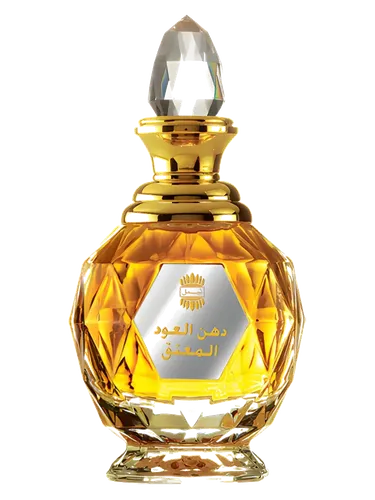
Ajmal Dahn Al Oudh Moattaq (9.0/10) is traditional, animalic oud done right. This is what oud smells like before Western brands softened it. Beautiful but challenging if you are used to designer fragrances.
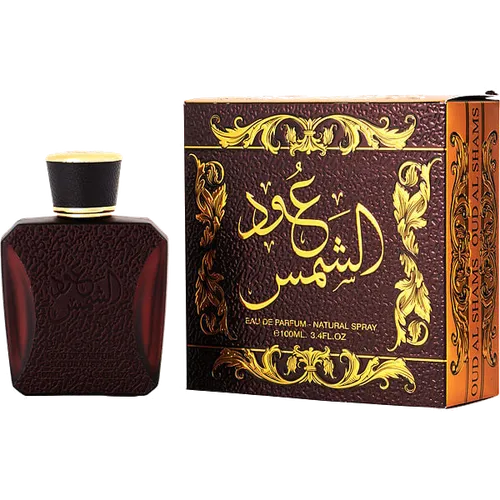
Ard Al Zaafaran Oud Al Shams (8.9/10) is oud from top to base, with white woods and florals opening, patchouli and guaiac wood in the middle, and cinnamon and amber warming the finish. Resinous and ceremonial. Moderate longevity and projection, and the cheapest real oud here. Bold oud (for the adventurous):
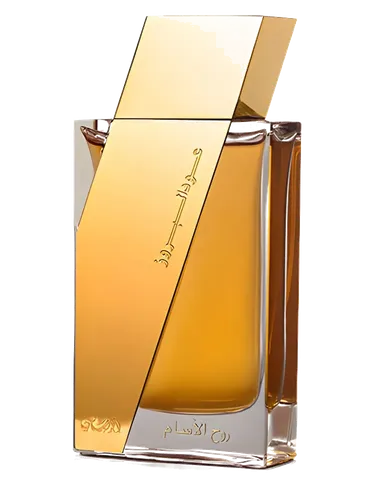
Rasasi Oudh Al Boruzz Rooh Al Assam (9.1/10) is among the highest-rated ouds in our database: rose and saffron up top, Indian oud, leather and labdanum in the middle, then oud, nagarmotha and sandalwood. Very long lasting with strong projection — this is a two-spray fragrance.
The Amber and Musk Tradition
Not all Arabic perfumery is about oud. Amber and musk fragrances are equally important:
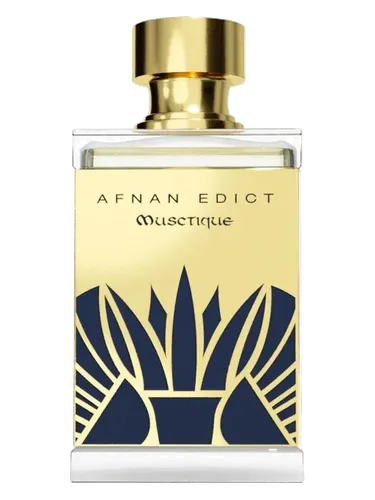
Afnan Musctique (9.1/10) is a white musk with more going on than most: musk, cardamom and saffron up top, lily of the valley and vanilla in the middle, then mint and a little oud cutting through the musk base. Long lasting with strong projection, and one of the highest-rated budget fragrances we hold.
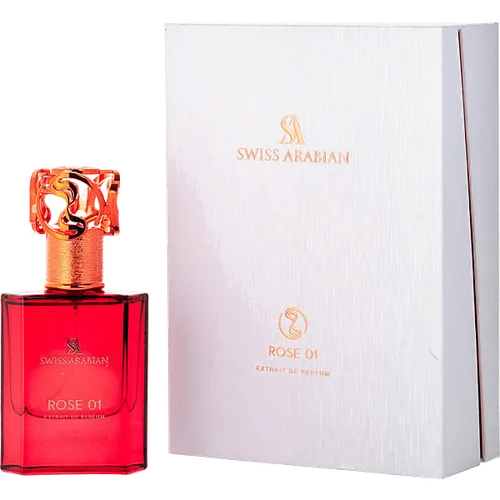
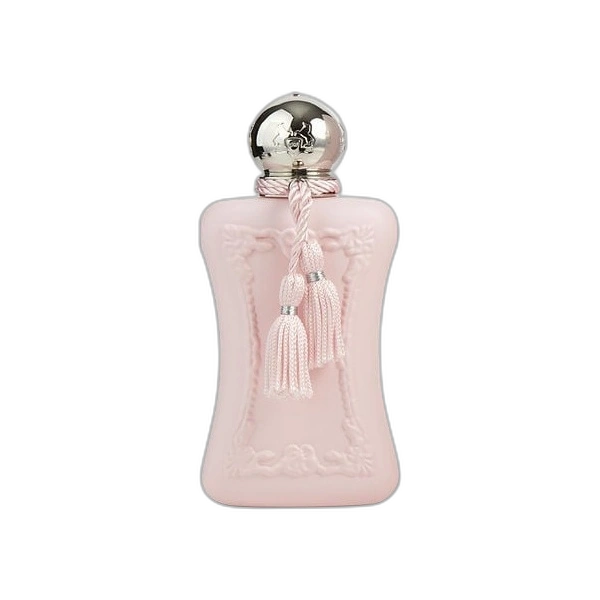
Swiss Arabian Rose 01 (9.1/10) proves that Arabic houses can do rose just as well as any French maison. Fruity, fresh rose inspired by Parfums de Marly Delina.
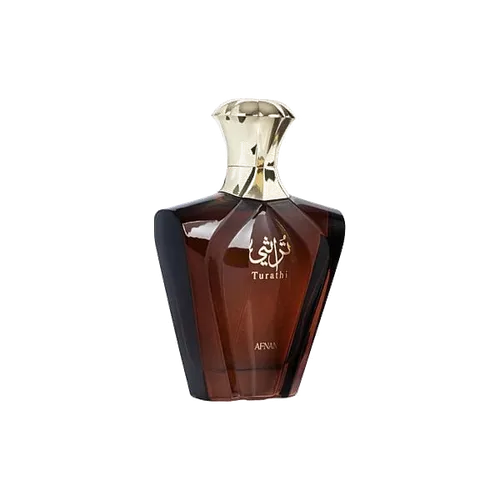
Afnan Turathi Brown (9.2/10) is one of the highest-rated affordable fragrances we hold. Dark, spicy patchouli inspired by YSL Tuxedo. At $30, it is almost unfair to Western brands.
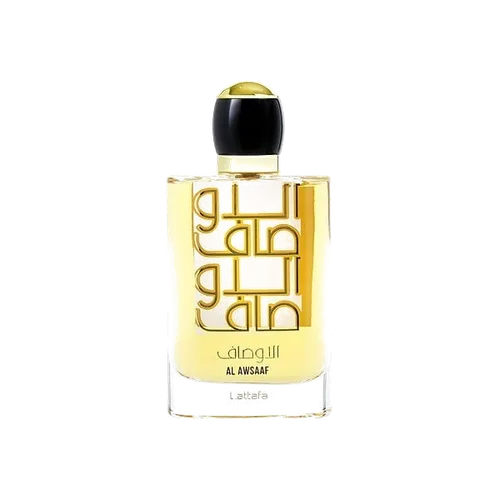
Lattafa Al Awsaaf (9.1/10) is elemi, pink pepper and violet into myrrh, tonka and spice, landing on patchouli, cedar and oud. Balsamic and resinous rather than sweet, which is what separates it from the rest of Lattafa's amber range. Long lasting with moderate projection.
Best Arabic Houses Ranked
Here is how the major Arabic fragrance houses compare:
Al Haramain (139 fragrances) — The most diverse catalog. Amber Oud, L'Aventure, Detour, and Portfolio lines cover every style. Best for: people who want variety and proven formulas.
Lattafa (177 fragrances) — The biggest Arabic house by volume. Khamrah and Asad are viral hits. Best for: trend-chasers and clone lovers.
Swiss Arabian (98 fragrances) — The most consistent. Almost nothing below 7.5/10. Shaghaf Oud line is incredible. Best for: quality-focused buyers.
Afnan (108 fragrances) — The hidden gem. Turathi Brown at 9.2/10 speaks for itself. Best for: value hunters who want the highest-rated options.
Armaf (145 fragrances) — The clone king. Club de Nuit Intense is arguably the most famous clone ever made. Best for: people who want designer scent profiles at budget prices.
Arabic Perfume Oils vs Sprays
Many Arabic houses offer fragrances as both concentrated perfume oils (CPO/attar) and spray EDPs. The oils sit closer to the skin, last longer, and feel more intimate. The sprays project more and are easier to apply. If you are new to Arabic fragrance, start with the sprays — they are more similar to what you are used to. Graduate to oils once you want something more personal and long-lasting.
Where to Start
Your first Arabic fragrance: Lattafa Khamrah — accessible, affordable, and genuinely excellent.
Your first oud: Swiss Arabian Shaghaf Oud Azraq — smooth and approachable.
Best value overall: Afnan Turathi Brown — 9.2/10 rated at $30.
Best gift for someone new: Al Haramain Amber Oud Rouge — universally appealing and well-known.
Arabic, Arabian, Middle Eastern, Attar: The Words Explained
These get used interchangeably and they do not mean the same thing.
Arabic or Arabian perfume usually means fragrance made by a house based in the Gulf — Lattafa and Ard Al Zaafaran in the UAE, Swiss Arabian in Dubai, Rasasi and Ajmal with roots going back decades. It describes where it is made, not what it smells like.
Middle Eastern style describes the smell rather than the address: heavier resins, oud, amber, rose, saffron, and sweetness that does not apologise. A French house can make a Middle Eastern style fragrance and frequently does.
Attar is a specific thing, not a synonym. Traditionally it is a concentrated oil distilled and matured in sandalwood oil, sold in a tiny bottle and applied with a dab, not a spray. Most things labelled attar today are concentrated perfume oils rather than true distilled attars. That is not fraud — it is just loose use of an old word.
Bakhoor is not perfume at all. It is scented wood chips burned on charcoal to perfume a room and clothing. If a listing says bakhoor, you cannot wear it on skin.
Why They Cost So Much Less
A $25 Gulf release and a $200 designer bottle are often closer in quality than the price gap suggests, and the reasons are mostly not about the liquid.
Western fragrance pricing carries advertising budgets, celebrity contracts, department store margins, and heavy packaging. Gulf houses skip most of that. They also sit next door to the raw material trade for oud, rose and amber, and they sell at volume into a market where wearing fragrance daily is normal rather than occasional.
What you genuinely do give up is consistency. Batch variation is more common, quality control is looser, and a house that made something excellent last year may reformulate it quietly. We go into the economics properly in why dupe perfumes are so much cheaper.
Which Houses Make Originals and Which Make Copies
This is the part most beginner guides skip, and it matters, because you can spend a year buying Gulf fragrances without realising half of them are aiming at something else.
Some houses are primarily clone houses — their business is making an affordable version of an expensive Western release. Maison Alhambra is the clearest example. Of the 167 of their fragrances we list, we have traced 87 to a specific original.
Other houses are primarily original creators. Amouage, in Oman, is a genuine luxury house and is copied rather than copying. Ajmal and Rasasi have long histories of their own compositions.
Lattafa sits in the middle, which is why it confuses people. It makes real originals — Khamrah is a Lattafa creation, not a copy of anything — and it also makes direct clones. Both come out of the same factory in the same style of bottle.
Why you should care: if you are buying a clone, you want to know what it is a clone of, so you can smell the original first and decide whether you even like it. If you are buying an original, comparisons to Western fragrances are just noise. Our A–Z reverse lookup tells you which is which for the bottles we track, and who owns whom explains how these houses are actually related.
Buying Without Getting Burned
Three things go wrong most often.
Counterfeits of the cheap stuff. This surprises people — why fake a $25 bottle? Because volume. Lattafa in particular is faked heavily. Our guide to spotting a fake Lattafa covers the physical tells.
Buying a new bottle and judging it immediately. Gulf releases frequently need weeks or months in the bottle before they smell right. A fragrance that smells thin and alcoholic in week one can be excellent by month three. This catches out more first-time buyers than anything else, and we explain what is happening in why your new clone smells awful and fixes itself.
Over-applying. These are frequently stronger than what you are used to. Two sprays of a Gulf oud is not the same as two sprays of a designer fresh scent.
Straight Answers to the Usual Questions
Are Arabic perfumes actually good? The best are genuinely excellent and outperform designer releases at four times the price. The worst are thin and disappear in an hour. The variance within a single house is wider than the variance between houses, so buy by fragrance, not by brand.
Do they last longer? Often yes, because they tend to be sold at higher concentrations and lean on heavy base materials. That is a tendency, not a rule.
Are they unisex? Far more of them than in Western fragrance. Gulf perfumery has never divided as sharply along gender lines, and rose, oud and amber are worn by everyone. Ignore the label on the box.
Is oud in everything? No, and most "oud" in affordable releases is a synthetic reconstruction rather than the real distilled wood, which costs more per gram than gold. That is not a scam — it is the only way to sell an oud fragrance for $30. Our oud guide explains the difference.