"Which clone house is best" has an answer, and we published it. But it is the wrong question, because houses are not uniformly good. They are good at particular kinds of fragrance and noticeably worse at others, and the gaps are large enough to change what you should buy.
We classified all 330 pairings by the genre of the original being cloned, then measured how often each house lands a top-band match within it. Some results invert the received wisdom entirely.
First: genre barely matters on its own
| Genre | Pairings | Hit rate |
|---|---|---|
| Oud, leather & smoke | 135 | 38% |
| Fresh, citrus & aromatic | 45 | 38% |
| Gourmand & vanilla | 92 | 37% |
| Floral | 33 | 27% |
Three of the four are effectively identical. The received wisdom that gourmands are easy to clone and fresh fragrances are hard is not supported — at the category level, they land at the same rate.
Florals are the exception, and clearly harder. That fits: floral compositions lean heavily on expensive naturals — jasmine absolute, rose, orris — and those are exactly what reverse-engineering reproduces worst. If you want a floral clone, expect a lower success rate whoever makes it.
What a hit rate is, and what it is not
Every percentage below is the share of a house's attempts in that genre that landed in our top agreement band — meaning people who owned both bottles consistently called it a genuine match. It is not a similarity score, and it is not a quality score.
That distinction matters more than it sounds. A house can make an excellent fragrance that fails as a clone, and several of the misses below are exactly that: good bottles that simply do not smell like the thing they were aimed at. If you like a fragrance on its own terms, a low hit rate is no reason to avoid it. The number answers one narrow question — if you want to smell like the original, will this get you there?
It also means a house is punished for ambition. Attempting eleven oud clones and landing one scores worse than attempting two and landing one, even though the first house has given buyers more to choose from. Read the attempt count alongside every percentage, always.
Why houses end up with specialities
The clustering is not random, and it is not really about skill. Three things drive it.
Material access. Reverse-engineering reproduces synthetics well and naturals badly. A house that has built supply relationships around oud and amber materials will do better on that genre than one working mainly from aroma chemicals, whatever its perfumers are capable of.
Target selection. Some originals are much easier to clone than others, and houses that pick well look better than houses that pick hard targets. A large share of a house's misses can come from repeatedly attempting the one or two most-cloned fragrances in the market, where the bar is high and every rival has already tried.
What the house is actually for. Lattafa's poor gourmand clone rate is the clearest case. A house whose commercial strategy is building original bestsellers is not organised around reproduction, and its clone attempts are a sideline rather than the main business. The competence follows the strategy.
Gourmand & vanilla — and the Lattafa surprise
| House | Attempts | Hit rate |
|---|---|---|
| French Avenue | 8 | 75% |
| Maison Alhambra | 13 | 54% |
| Fragrance World | 9 | 44% |
| Armaf | 8 | 38% |
| Paris Corner | 7 | 29% |
| Lattafa | 13 | 15% |
This is the most counterintuitive result in the dataset. Lattafa is the house everyone associates with sweet gourmands, and it is the worst of the six at cloning them — 2 hits from 13 attempts.
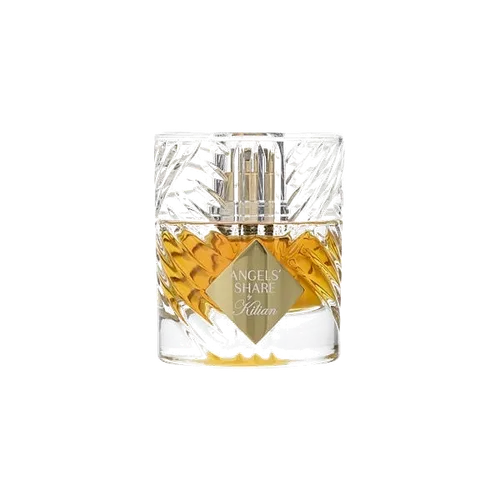
The explanation is not that Lattafa makes bad gourmands. It is that their good gourmands are their own. Khamrah, Yara, Angham — the bottles that made the brand — have no clone target at all, and even Khamrah's much-repeated Angels' Share link is called a twist rather than a copy by both sources. Lattafa is an originator in this genre that happens to be poor at copying in it.
If you want a gourmand clone specifically, French Avenue and Maison Alhambra are the houses to buy.
Oud, leather & smoke — the biggest category
| House | Attempts | Hit rate |
|---|---|---|
| Rayhaan | 4 | 75% |
| French Avenue | 8 | 63% |
| Maison Alhambra | 18 | 50% |
| Bujairami · Rasasi · Montagne | 4 each | 50% |
| Afnan | 5 | 40% |
| Lattafa | 16 | 38% |
| Armaf | 12 | 33% |
| Paris Corner | 10 | 30% |
| Al Haramain | 5 | 20% |
| Fragrance World | 11 | 9% |
Two findings here.
Maison Alhambra at 50% across 18 attempts is the most trustworthy number in this entire article. Rayhaan's 75% comes from four bottles, which is a promising signal rather than a verdict. Landing half of eighteen is a capability.
Fragrance World lands 1 of 11. That is a stark result for a house that keeps attempting the genre, and it is worth setting against their reputation — their Barakkat division does excellent work, but oud and leather is not where to buy them.
Fresh, citrus & aromatic
| House | Attempts | Hit rate |
|---|---|---|
| Armaf | 4 | 75% |
| Fragrance World | 6 | 50% |
| Lattafa | 6 | 50% |
| Maison Alhambra | 6 | 33% |
| Rasasi | 4 | 25% |
Small samples throughout, so read these as directional. Armaf's showing is consistent with its reputation — Club de Nuit Intense is itself a fresh, fruity composition that rates strongest in spring.
Worth pairing with a separate finding: fresh clones are the ones most likely to beat their originals on longevity, because light designer aquatics are frequently weak performers themselves. Beating a weak performer is not a hard problem.
Floral — approach with caution
Only one house has enough floral attempts to measure: Maison Alhambra, 2 hits from 6, at 33% — above the 27% category average but not by much.
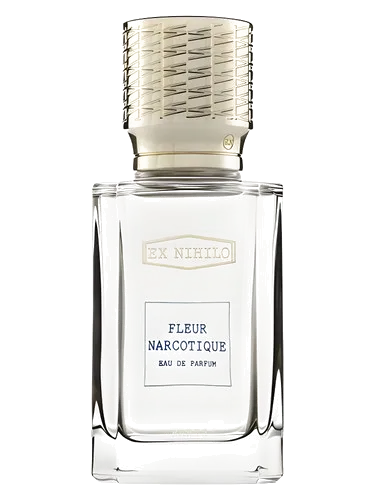
Their standout is genuinely excellent: Flower Addiction against Fleur Narcotique, where coworkers could not tell two wrists apart. But the category average is the lowest of the four, and no house has demonstrated consistency in it.
What to actually buy
| If you want a clone of a… | Buy |
|---|---|
| Gourmand or vanilla | French Avenue, then Maison Alhambra. Not Lattafa. |
| Oud, leather or smoky | Maison Alhambra for reliability at scale; French Avenue for accuracy. Not Fragrance World. |
| Fresh, citrus or aromatic | Armaf, then Fragrance World or Lattafa |
| Floral | Maison Alhambra, and lower your expectations |
Two honest caveats
Sample sizes are unequal. Rayhaan's 75% rests on four bottles; Maison Alhambra's 50% on eighteen. Compare houses within the same size bracket, and treat anything under ten attempts as provisional.
Genre is assigned from the original's accords, and fragrances rarely sit in one category cleanly. A smoky gourmand could reasonably land in two of these buckets. The classification is a useful lens, not a taxonomy.
The short version
House reputation and house competence come apart, sometimes completely. Lattafa is the gourmand house that is worst at gourmand clones. Fragrance World keeps attempting oud and lands one in eleven.
The house that survives every cut is Maison Alhambra — never the top scorer in a genre, always near the top with the largest sample. If you want one house to buy across categories, that is the answer, with performance rather than accuracy as the thing to watch.
Related reading
- Clone houses ranked overall — the same data without the genre split.
- What 35 blind tests actually show
- The A–Z dupe index