You spray on your favorite fragrance in the morning, and by the time you reach the office, it's gone. Meanwhile, your coworker applied the same perfume and still smells incredible at dinner.
If this sounds familiar, you're not imagining things — and the culprit is almost certainly your skin. (If the bottle is a clone, there is a second explanation worth ruling out first — a fresh bottle that has not macerated.)
This isn't about buying more expensive fragrances or spraying more. The real fix is understanding how your skin interacts with perfume molecules and making a few simple changes to your routine.
Why Dry Skin Kills Fragrance
Perfume needs something to cling to. When fragrance molecules land on your skin, they bind to the oils and moisture on its surface.
On well-hydrated skin, these molecules have a rich, oily base to anchor into, releasing slowly over hours as your body heat gently warms them.
Dry skin is the opposite. It lacks that oily surface layer, so fragrance molecules sit on top with nothing to hold them.
They evaporate rapidly into the air — which is why you might get a strong initial burst that vanishes within 30 minutes.
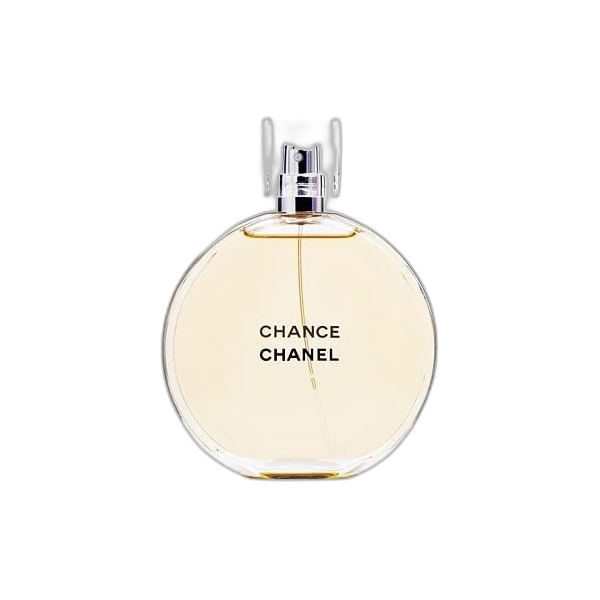
This is why lighter formulations like Acqua Di Gio or Chanel Chance Eau Tendre — both eaux de toilette with airy, fresh profiles — can feel like they last only minutes on dry skin.
The Skin pH Factor
Beyond moisture levels, your skin's pH plays a measurable role. Human skin pH typically ranges from 4.5 to 6.5.
More acidic skin (lower pH) tends to break down fragrance molecules faster, particularly the delicate top notes.
Several factors push your skin pH around:
- Harsh soaps and cleansers — Many strip your skin's acid mantle, temporarily raising pH and leaving skin dry
- Diet — High-sugar and processed food diets can shift skin chemistry
- Medications — Certain prescriptions alter skin oil production and pH
- Climate — Cold, dry air and central heating dehydrate skin seasonally
- Water hardness — Hard water deposits can affect your skin's surface chemistry
You can't easily control your natural pH, but you can control how moisturized your skin is — and that's where the biggest wins come from.
The Moisturizing Method That Actually Works
The single most effective thing you can do for fragrance longevity is apply an unscented moisturizer to your pulse points 5-10 minutes before spraying perfume. This creates an oily base layer that fragrance molecules bind to, dramatically slowing evaporation.
What to Use
The key word is unscented. Scented lotions will compete with and distort your fragrance.
Look for:
- Petroleum jelly (Vaseline) — The classic trick. Apply a thin layer to pulse points. It's occlusive, meaning it seals moisture in and gives fragrance an excellent base to cling to.
- Unscented body oil — Jojoba oil, sweet almond oil, or fractionated coconut oil. These absorb into skin and create a lasting oily base without greasiness.
- Heavy unscented moisturizer — CeraVe Moisturizing Cream, Eucerin Original, or similar. Apply generously and let it absorb before spraying.
What to Avoid
- Scented lotions — They compete with your perfume
- Alcohol-based products — They dry skin further and can break down fragrance
- Light gel moisturizers — They absorb too quickly and don't provide enough of an oily base
Pulse Points Matter More Than You Think
Pulse points aren't just a marketing concept — they're spots where blood vessels sit close to the skin surface, generating more heat. That warmth activates fragrance molecules and helps them project.
High-Priority Spots
- Inner wrists — The classic spot, but stop rubbing them together. Friction breaks down top note molecules.
- Sides of the neck — Excellent for both longevity and sillage. The warmth from your carotid artery diffuses scent naturally.
- Behind the ears — Slightly oilier skin here, which helps longevity.
- Inner elbows — Underused but effective. The crease traps moisture and the pulse point provides heat.
Lower-Priority Spots
- Chest — Works well under clothing, but skin here can be drier
- Behind the knees — Heat rises, so this creates a subtle scent bubble as you move
- Ankles — Same rising-heat principle, but distance from the nose makes this less impactful
The Fabric Spraying Technique
Spraying on clothes can dramatically extend how long a scent lasts. Fabric fibers trap fragrance molecules far more effectively than skin.
A spray on a wool sweater or cotton shirt can last 24+ hours.
Caveats:
- Test first. Some fragrances stain. Always test on an inconspicuous area.
- Synthetic fabrics hold scent longer than natural ones, but they can also distort the scent profile.
- Don't spray on silk or delicate fabrics. The alcohol and oils can permanently stain.
- You lose skin interaction. Fabric spraying gives you longevity but sacrifices some uniqueness.
A good compromise: spray your skin for the personal scent experience, and add one spray to your collar for longevity backup.
Concentration Matters: EDT vs EDP vs Parfum
If you're consistently disappointed by longevity, the fragrance concentration itself might be working against you. Eaux de toilette (3-8% fragrance oil) are inherently more volatile than eaux de parfum (15-20%) or parfums/extraits (20-40%).
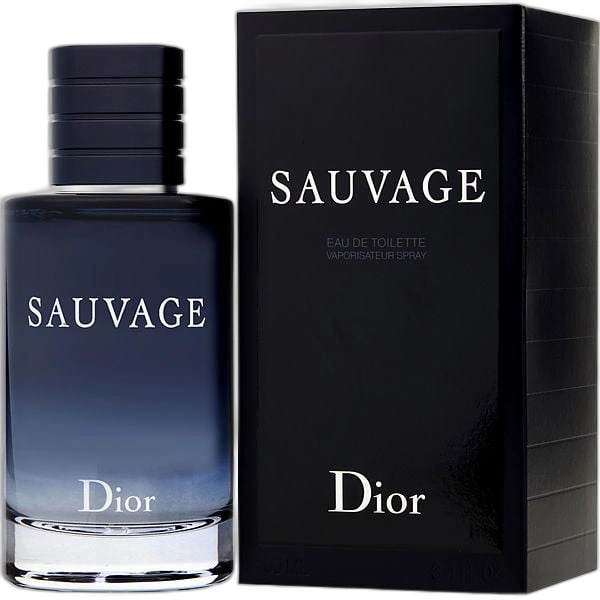
Dior Sauvage EDT is a crowd-pleasing workhorse that, even as a toilette, delivers solid 6-8 hour longevity on most skin types thanks to its Ambroxan backbone.
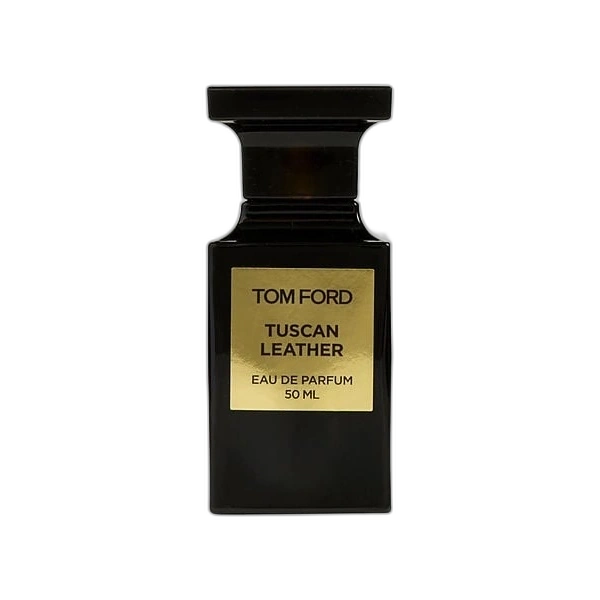
Then look at something like Tom Ford Tuscan Leather — a fragrance built on heavy, resinous base notes and rich leather. Even on dry skin, this kind of molecular weight sticks around for 8-12 hours.
If you have dry skin and want better longevity, consider upgrading from EDT to EDP versions of fragrances you love.
The Layering Hack
Applying your fragrance in layers helps:
- Shower and pat dry (don't fully dry — slightly damp skin holds fragrance better)
- Apply unscented moisturizer to pulse points
- Wait 2-3 minutes for moisturizer to absorb
- Spray fragrance on pulse points
- Optional: one spray on clothing
This simple five-step routine can easily double or triple the longevity of your fragrance on dry skin.
Seasonal Adjustments
- Winter — Skin is driest. Moisturize more aggressively. Consider heavier concentrations (EDP/Parfum).
- Summer — Heat and humidity help longevity by keeping skin naturally more oily. You can get away with lighter concentrations.
- Transitional seasons — The trickiest. Indoor heating or AC can dry your skin regardless of outdoor humidity.
When It's Not Your Skin
Sometimes the issue isn't your skin at all. Olfactory fatigue — also called nose blindness — is when your brain stops registering a scent you've been wearing. You can't smell it anymore, even though everyone around you can.
Solutions for nose blindness:
- Rotate between 2-3 fragrances so your brain doesn't adapt to any single one
- Smell coffee beans or the inside of your elbow to reset your olfactory receptors
- Apply to spots where you'll catch occasional whiffs (inner wrist, collar) rather than only the neck
The bottom line: if your perfume disappears in 30 minutes, your skin is almost certainly the issue. Moisturize before you spray, use the right pulse points, consider upgrading your concentration — and stop rubbing your wrists together.