
Civet
Found in 7 fragrances
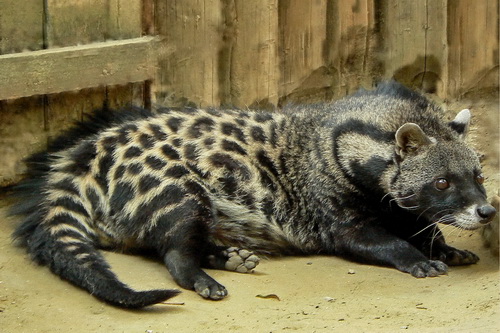
Civet is one of the most controversial yet historically important animalic ingredients in perfumery. Traditionally, civet musk was obtained from the perineal glands of the African civet cat.
The raw material has an overwhelmingly strong, fecal, and musky odor that is almost unbearable at full concentration. However, when diluted to extremely small proportions, civet transforms into something magical, adding a warm, sensual, and deeply human quality to fragrances.
Today, natural civet is almost never used in ethical perfumery. Synthetic alternatives recreate its essential character without harming animals.
In perfumery, civet notes serve as a powerful fixative and blending agent. Even in tiny amounts, civet adds warmth, depth, and a mysterious sensuality that makes fragrances feel more intimate and skin-like.
It rounds out sharp edges, extends longevity, and gives compositions a lived-in quality that is hard to achieve any other way. Civet was a key ingredient in many golden-age perfumes from the early and mid twentieth century.
It pairs beautifully with florals like jasmine and rose, as well as with amber, musk, and spices, adding that crucial animalic depth that makes a fragrance feel truly alive.
Learn more on Wikipedia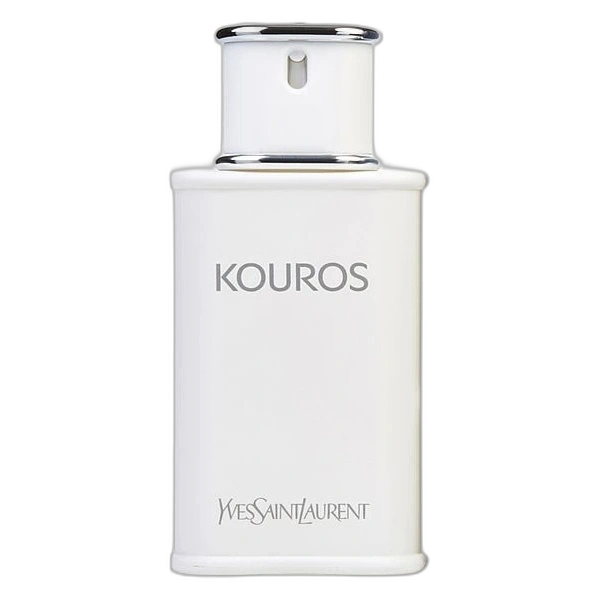
Yves Saint Laurent
Kouros
Aldehydes · Coriander · Clary Sage
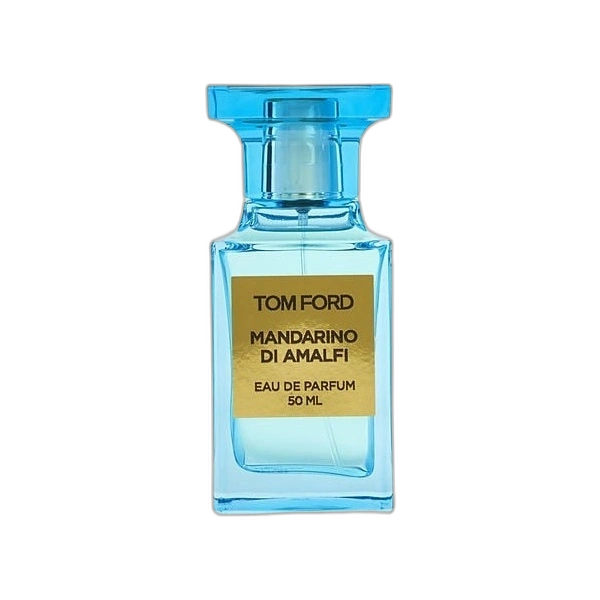
Tom Ford
Tom Ford Mandarino Di Amalfi
Lemon · Grapefruit · Mint
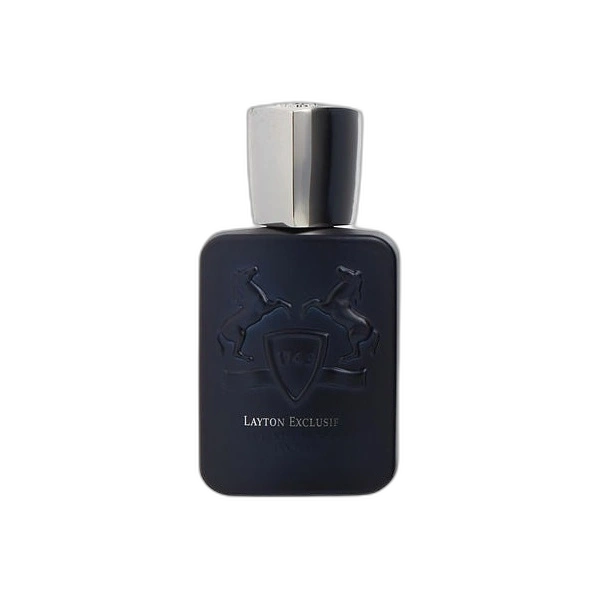
Parfums de Marly
Parfums De Marly Layton Exclusif
Almond · Mandarin Orange · Bergamot
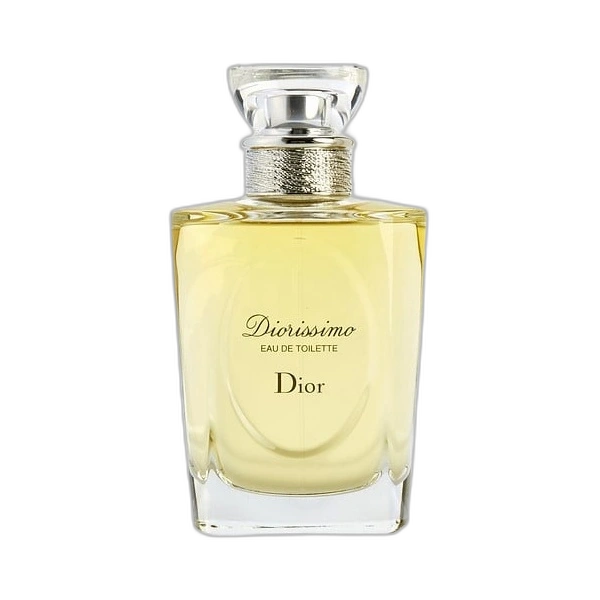
Dior
Diorissimo
Green Leaves · Bergamot
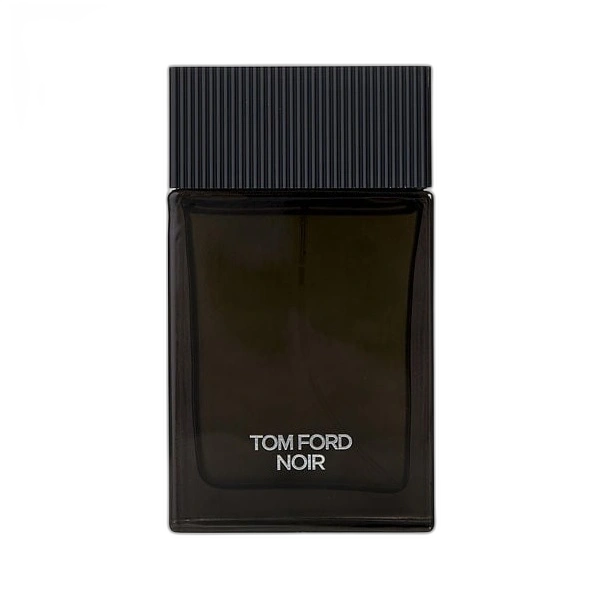
Tom Ford
Tom Ford Noir
Violet · Pink Pepper · Caraway
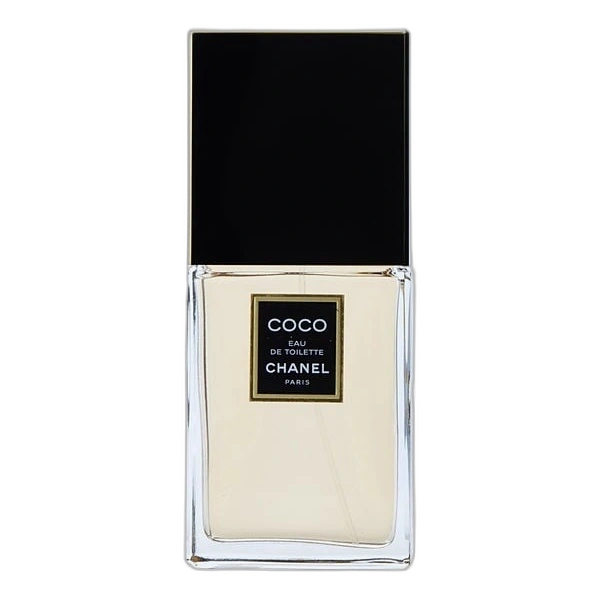
Chanel
Chanel Coco
Bulgarian Rose · Coriander · Peach
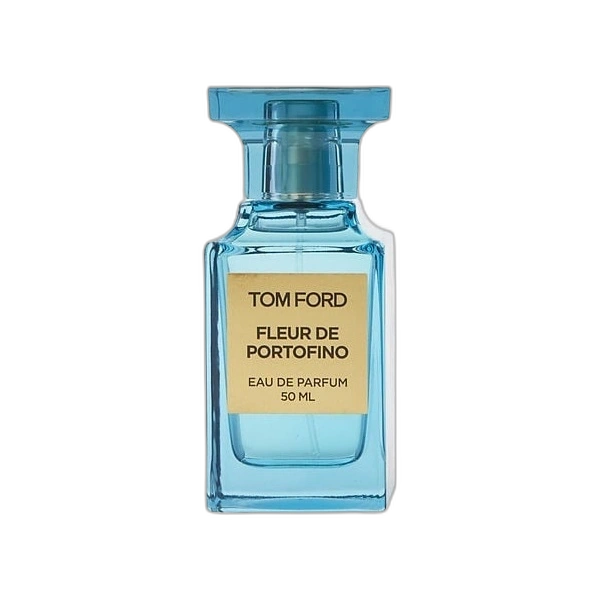
Tom Ford
Tom Ford Fleur De Portofino
Syringa · Tangerine · Bergamot